Siguiente 15º aniversario del European Law Institute, por Teresa Rodríguez de las Heras. Presidenta del ELI

Nº 160
Julio - agosto 2026
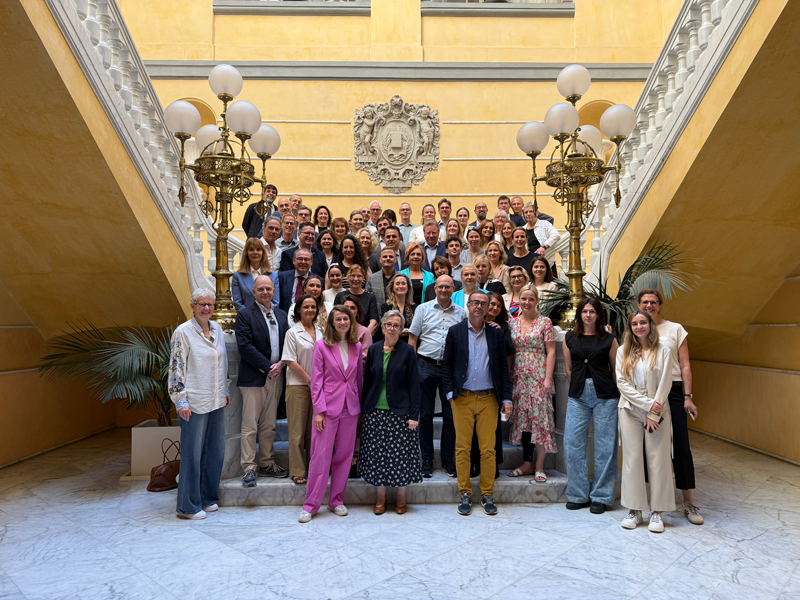
La movilidad de los ciudadanos, la existencia de patrimonios repartidos entre varios países y la diversidad de los sistemas civiles han convertido las sucesiones transfronterizas en una realidad cotidiana. Notarios, jueces, abogados y académicos de toda Europa se reunieron en Barcelona los días 21 y 22 de mayo precisamente para hablar sobre ello en la Conferencia anual sobre Derecho europeo de sucesiones, celebrada en el Colegio Notarial de Cataluña.
En el foro, organizado por la Academy of European Law (ERA), se debatió sobre un fenómeno cada vez menos excepcional: una persona vive en un país, tiene bienes en otro, herederos en un tercero y ha otorgado testamento conforme a una ley de un país diferente; poniendo el foco, especialmente, en la jurisprudencia reciente del Tribunal de Justicia de la Unión Europea, el Certificado Sucesorio Europeo y la función notarial. También se abordó la repercusión de la creciente digitalización en las cuestiones sucesorias y la futura revisión del Reglamento Europeo de Sucesiones.
CADA VEZ ES MÁS COMÚN QUE UNA PERSONA VIVA EN UN PAÍS, TENGA BIENES EN OTRO Y HEREDEROS EN UN TERCERO
Una Europa sin fronteras
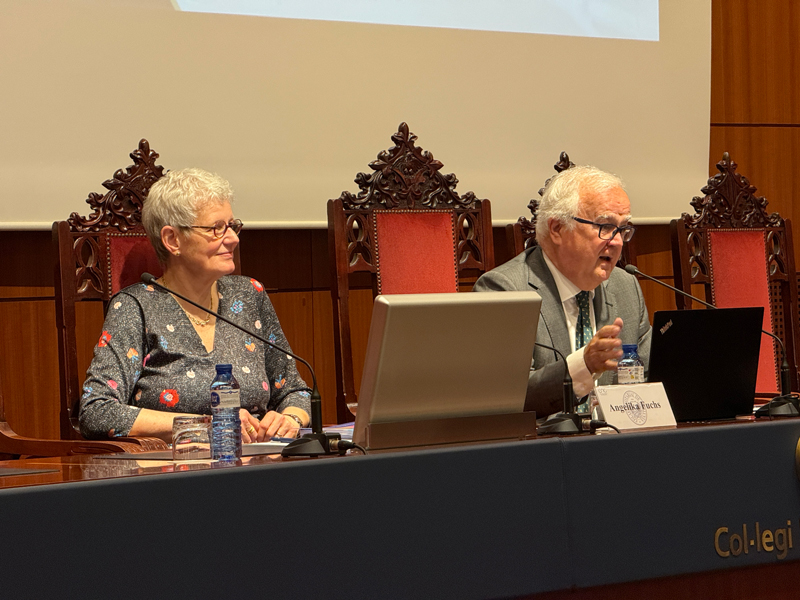
La conferencia fue inaugurada por José Alberto Marín, decano del Colegio Notarial de Cataluña, y Angelika Fuchs, jefa de la Sección de Derecho privado europeo de ERA. Marín subrayó en su intervención “el papel del Reglamento Europeo de Sucesiones en la creación de una Europa real y sin fronteras, que está permitiendo formalizar las herencias de una manera mucho más fácil y eficiente para el ciudadano.” Fuchs, por su parte, destacó la importancia de los temas tratados, que “reflejan las realidades complejas de planificar y liquidar herencias en un contexto plenamente transfronterizo”.
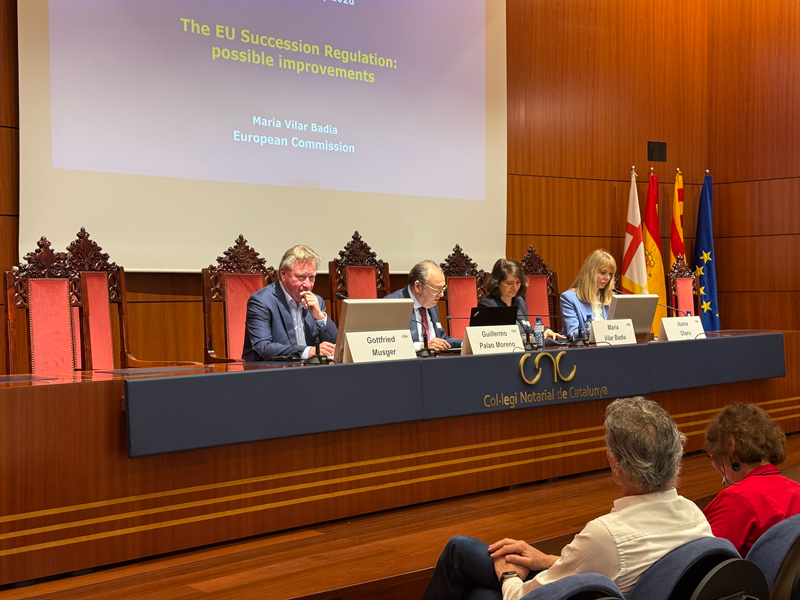
El primer bloque del foro abordó la jurisprudencia del Tribunal de Justicia de la Unión Europea (TJUE) de la mano de Gottfried Musger, presidente de Sala del Tribunal Supremo de Austria, quien presentó varios casos recientes.
EL REGLAMENTO EUROPEO DE SUCESIONES PARTE DE DOS PRINCIPIOS: UNIDAD Y UNIVERSALIDAD, QUE PERMITEN APLICAR UNA SOLA LEY A TODA LA HERENCIA
Por otro lado, Cristina González Beilfuss, catedrática de Derecho internacional privado de la Universitat de Barcelona, se centró en la ley aplicable. Subrayó que “el Reglamento Europeo de Sucesiones parte de dos principios, unidad y universalidad, que permiten aplicar una sola ley a toda la herencia, con independencia de dónde estén los bienes. Esa regla facilita la libre circulación de resoluciones y documentos, pero no elimina todos los problemas”. El más evidente es la residencia habitual, ya que no se identifica automáticamente con el empadronamiento ni con la residencia fiscal y exige una valoración global de la vida del causante. “Los jubilados europeos que pasan gran parte del año en España, pero mantienen vínculos familiares, económicos o administrativos con su país de origen, muestran la dificultad” apuntó. También lo hacen los ciudadanos globales, con varias nacionalidades y patrimonios dispersos, o las personas mayores dependientes cuya residencia cambia por decisión de sus familiares.
A ello se suma la professio iuris, es decir, la posibilidad de elegir la ley nacional para regir la sucesión. Se trata de una herramienta útil, pero no debería usarse de forma automática. Elegir la ley de la nacionalidad no solo afecta a la legítima; también condiciona la ejecución de la herencia, la responsabilidad por deudas, los poderes de los administradores y la coordinación con otros sistemas. Además, en España la cuestión se complica por la existencia de diversos derechos civiles.
EL CERTIFICADO SUCESORIO EUROPEO (CSE) POSIBILITA ACREDITAR EN OTRO ESTADO MIEMBRO LA CONDICIÓN DE HEREDERO, LEGATARIO, ADMINISTRADOR O EJECUTOR
Certificado Sucesorio Europeo
El Certificado Sucesorio Europeo (CSE) fue uno de los grandes ejes del congreso. Concebido como una especie de pasaporte sucesorio, permite acreditar en otro Estado miembro la condición de heredero, legatario, administrador o ejecutor. Su balance, sin embargo, es desigual. “En algunos países se usa con normalidad, mientras que en otros, en cambio, los certificados nacionales siguen desplazándolo”, aseguró Patrick Wautelet, catedrático de la Universidad de Lieja.
Ioana Olaru, formadora del Instituto Notarial Rumano, y Jens Kleinschmidt, catedrático de la Universidad de Tréveris, pusieron el acento en los problemas de contenido del CSE: qué bienes deben identificarse, qué ocurre cuando hay impugnaciones y hasta dónde puede llegar la autoridad emisora. Por su parte, la autoridad emisora debe verificar información, valorar pruebas, identificar beneficiarios y, en su caso, describir bienes o facultades. El problema aparece cuando hay impugnaciones. El TJUE ha señalado que, si los elementos a certificar están discutidos, la autoridad emisora no puede resolver el litigio dentro del procedimiento de expedición. Aunque la objeción parezca infundada, debe acudir al cauce judicial o al recurso correspondiente.
Planificación patrimonial
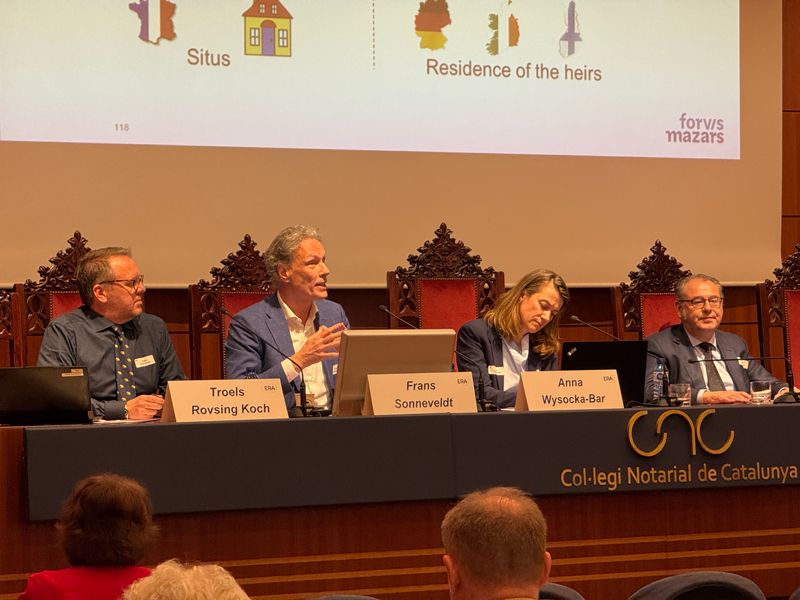
La planificación patrimonial abrió otro frente. Frans Sonneveldt, catedrático de la Universidad de Leiden, abordó la fiscalidad de las herencias ante el TJUE y recordó que la doble imposición sucesoria sigue siendo una de las grandes frustraciones de los ciudadanos europeos. “Un mismo patrimonio puede quedar gravado por la residencia del causante, la residencia de los herederos, la nacionalidad o la ubicación de los bienes. El TJUE ha corregido tratamientos discriminatorios, por ejemplo, en deducciones de deudas, reducciones personales o valoración de activos situados en otro Estado, pero no puede resolver por sí solo la doble imposición cuando los Estados ejercen soberanamente sus competencias fiscales.” La solución ideal planteada es tan sencilla como difícil: una herencia: un impuesto de sucesiones. Mientras no exista un convenio multilateral europeo, la planificación seguirá combinando testamentos, pactos sucesorios, regímenes matrimoniales, sociedades, trusts, fundaciones y otras entidades patrimoniales.
En el bloque dedicada a la planificación patrimonial, Guillermo Palao Moreno, catedrático de la Universitat de València y presidente de la Asociación Española de Profesores de Derecho Internacional y Relaciones Internacionales, habló sobre la interacción entre Derecho de sociedades y sucesiones, mientras que Troels Rovsing Koch, por su parte, trató la protección de activos y sus límites frente al Derecho imperativo. El mensaje fue común: planificar no es esconder el patrimonio, sino ordenar su transmisión respetando las normas de protección de herederos, acreedores y terceros.
EL NOTARIO DEBE AUTORIZAR HERENCIAS APLICANDO NORMAS ESTATALES, AUTONÓMICAS, EUROPEAS Y EXTRANJERAS
El papel del Notariado
La segunda jornada del congreso se centró en el papel del Notariado en las sucesiones internacionales y el futuro de estas. Antonio Ripoll Soler, notario de Alicante, explicó la función del notario en España como pieza de seguridad jurídica preventiva, en un contexto de coexistencia de diversas legislaciones civiles autonómicas y de convenios de doble nacionalidad. “Estas legislaciones están en un plano horizontal. El Código Civil no está por encima de ellas, y eso ha generado abundante jurisprudencia y resoluciones de la Dirección General de Seguridad Jurídica y Fe Pública. Todo ello sitúa al notario en el centro del problema, porque debemos autorizar herencias aplicando normas estatales, autonómicas, europeas y extranjeras.”
Por otro lado, Anna Wysocka-Bar, profesora adjunta de la Universidad Jaguelónica de Cracovia, repasó la evolución de la digitalización en el ámbito de la Justicia, que ha dado origen a herramientas digitales como el Portal Europeo de e-Justice o el Reglamento de Justicia Digital, que incorpora la comunicación electrónica, las videoconferencias, las firmas y los sellos electrónicos y el pago electrónico de tasas a las sucesiones transfronterizas. “Este reglamento pretende modernizar el marco legislativo de los procedimientos transfronterizos sobre la base del principio de “digital por defecto”. Esto es, las administraciones públicas ofrecen sus servicios primordialmente en formato digital, como opción preferente, pero manteniendo el uso de los canales tradicionales con el objetivo de no excluir a quienes no tienen acceso o competencias digitales.”
Para finalizar, Maria Vilar Badia, miembro de la Dirección General de Justicia y Consumidores de la Comisión Europea, hizo balance sobre los diez años de aplicación del Reglamento Europeo de Sucesiones y aseguró que “aunque el informe de aplicación aún no está en marcha, la Comisión está trabajando en la digitalización del Reglamento de Sucesiones y en algunas mejoras técnicas, detectadas gracias a cartas de ciudadanos, comunicaciones de profesionales y aportaciones de los Estados miembros.” Entre sus prioridades figuran simplificar el formulario del CSE, su expedición bilingüe obligatoria, crear vías no legislativas para reducir la reticencia de los bancos a aceptar el CSE, crear mensajes electrónicos predefinidos para dar respuesta a las solicitudes de información y explorar registros interconectados de certificados.
En las sucesiones internacionales, el notario desempeña una función clave de seguridad jurídica preventiva. Debe comprobar si existe competencia internacional, identificar la ley aplicable, verificar el título sucesorio, recabar certificados, localizar bienes y orientar a los herederos sobre los pasos fiscales y registrales. Su labor no consiste solo en autorizar una escritura, también debe advertir de los efectos de la ley extranjera, comprobar la validez de documentos y facilitar la coordinación entre ordenamientos.
Durante la celebración del congreso se puso el foco en una de las singularidades del ordenamiento español: la coexistencia de varios derechos civiles territoriales con regulación propia en materia de sucesiones. Esta pluralidad adquiere especial importancia en el contexto del Reglamento Europeo de Sucesiones. Cuando la norma remite al Derecho español como ley aplicable, no basta con identificar el Estado, también hay que determinar qué Derecho civil interno resulta competente. En esta línea, se debatió sobre si la professio iuris permite elegir directamente un Derecho civil territorial o si la elección debe referirse necesariamente a la ley estatal.
La digitalización ha transformado el contenido de las herencias. Cada vez más personas dejan activos digitales, como criptoactivos, NFT, cuentas en plataformas o archivos en la nube, los cuales plantean un nuevo reto en las sucesiones: determinar dónde se localizan. Su localización puede depender del servidor, del proveedor o de la residencia del titular. Al no existir actualmente un régimen horizontal general en la Unión Europea sobre esta materia se generan controversias.
The mobility of citizens, existence of assets spread across several countries and diversity of civil systems have made cross-border successions a daily reality. Notaries, judges, lawyers and academics from all over Europe met in Barcelona on 21 and 22 May to discuss this very issue at the Annual Conference on European Succession Law, held at the Catalonian Notarial Association.
At the forum, organised by the Academy of European Law (ERA), the discussion focused on an increasingly common phenomenon: a person lives in one country, has assets in another, heirs in a third, and has drawn up a will under the laws of a different country; with a particular focus on the recent case law of the Court of Justice of the European Union, the European Certificate of Succession and the notarial function. The impact of increasing digitalisation on succession issues and the future review of the European Succession Regulation were also addressed.
IT IS BECOMING INCREASINGLY COMMON FOR A PERSON TO LIVE IN ONE COUNTRY, HAVE ASSETS IN ANOTHER, AND HEIRS IN A THIRD COUNTRY
A Europe without borders
The conference was opened by José Alberto Marín, Dean of the Catalonian Notary Association, and Angelika Fuchs, Head of the European Private Law Section of ERA. In his speech, Marín emphasised “the role of the European Succession Regulation in the creation of a real and borderless Europe, which is making it much easier and more efficient for the citizen to formalise inheritances”. Fuchs, for her part, highlighted the importance of the topics covered, which “reflect the complex realities of planning and settling estates in a fully cross-border context”.
The first block of the forum addressed the case law of the Court of Justice of the European Union (CJEU) with Gottfried Musger, President of the Chamber of the Supreme Court of Austria, who discussed several recent cases.
On the other hand, Cristina González Beilfuss, professor of Private International Law at the Universitat de Barcelona, focused on applicable law. She stressed that “the European Succession Regulation is based on two principles, unity and universality, which allow a single law to be applied to the entire estate, regardless of where the assets are located. That rule facilitates the free circulation of resolutions and documents, but does not eliminate all the problems». The most obvious is the habitual residence, which is not automatically identified with residence registration or tax residence and requires a global assessment of the life of the deceased. «European pensioners who spend a large part of the year in Spain, but maintain family, economic, or administrative ties with their home country, illustrate this difficulty,» she pointed out. Global citizens, with multiple nationalities and scattered assets, or dependent elderly people whose residence changes at the decision of their relatives, are further examples.
THE EUROPEAN SUCCESSION REGULATION IS BASED ON TWO PRINCIPLES: UNITY AND UNIVERSALITY, WHICH ALLOW A SINGLE LAW TO BE APPLIED TO THE ENTIRE ESTATE
In addition, there is the professio iuris, i.e. the possibility of choosing national law to govern the succession. It is a useful tool, but should not be used automatically. Choosing the law of nationality affects not only the legitimate heirs; it also conditions the execution of the inheritance, liability for debts, powers of the administrators, and coordination with other systems. In addition, in Spain, the issue is complicated by the existence of various civil rights.
European Certificate of Succession
The European Certificate of Succession (ECS) was one of the main focuses of the conference. Conceived as a kind of inheritance passport, it allows the status of heir, legatee, administrator or executor to be accredited in another Member State. Their balance, however, is uneven. «In some countries it is used normally, while in others, on the other hand, national certificates continue to replace it,» assured Patrick Wautelet, professor at the University of Liège.
Ioana Olaru, trainer at the Romanian Notarial Institute, and Jens Kleinschmidt, professor at the University of Trier, emphasised the ECS content-related issues: which assets must be identified, what happens when there are challenges, and the extent of the issuing authority’s powers. For its part, the issuing authority must verify information, assess evidence, identify beneficiaries and, where applicable, describe assets or powers. The problem arises when there are challenges. The CJEU has stated that if the elements to be certified are disputed, the issuing authority cannot resolve the dispute within the certification procedure. Although the objection may seem unfounded, the matter must be referred to the courts or the appropriate appeal.
THE EUROPEAN CERTIFICATE OF SUCCESSION (ECS) MAKES IT POSSIBLE TO PROVE THE STATUS OF HEIR, LEGATEE, ADMINISTRATOR OR EXECUTOR IN ANOTHER MEMBER STATE
Estate planning
Estate planning has opened up another front. Frans Sonneveldt, professor at Leiden University, addressed the issue of inheritance taxation before the CJEU and recalled that double inheritance taxation remains one of the major frustrations for European citizens. «The same estate may be subject to taxation based on the residence of the deceased, residence of the heirs, nationality, or the location of the assets. The CJEU has corrected discriminatory treatments, for example, in debt deductions, personal reductions or valuation of assets located in another State, but it cannot resolve double taxation on its own when States exercise their tax powers in a sovereign manner”. The ideal solution proposed is as simple as it is difficult: an inheritance: an estate tax. As long as there is no European multilateral agreement, planning will continue to combine wills, inheritance agreements, matrimonial regimes, companies, trusts, foundations and other asset entities.
In the segment dedicated to estate planning, Guillermo Palao Moreno, professor at the University of Valencia and president of the Spanish Association of Professors of International Law and International Relations, spoke about the interaction between company law and succession law, while Troels Rovsing Koch, for his part, addressed the protection of assets and its limits in relation to mandatory law. The message was unanimous: planning is not about hiding assets, but about organizing their transfer while respecting the protection of heirs, creditors, and third parties.
THE NOTARY MUST AUTHORIZE INHERITANCES BY APPLYING STATE, REGIONAL, EUROPEAN, AND FOREIGN RULES
The Role Of Notaries
The second day of the conference focused on the role of notaries in international successions and their future. Antonio Ripoll Soler, a notary from Alicante, explained the role of the notary in Spain as a preventive legal safeguard, in a context of coexistence of various regional civil legislations and double nationality agreements. “This legislation is on a horizontal plane. The Civil Code is not above them, and this has generated abundant case law and rulings from the General Directorate of Legal Security and Public Faith. All of this places the notary at the centre of the problem, because we must authorize inheritances by applying state, regional, European, and foreign laws”.
On the other hand, Anna Wysocka-Bar, associate professor at the Jagiellonian University in Krakow, reviewed the evolution of digitalization in the field of justice, which has given rise to digital tools such as the European e-Justice Portal or the Digital Justice Regulation, which incorporates electronic communication, video conferencing, electronic signatures and seals, and electronic payment of fees for cross-border successions. “This regulation aims to modernize the legislative framework for cross-border procedures based on the ‘digital by default’ principle. This means that public administrations offer their services primarily in digital format, as a preferred option, but maintaining the use of traditional channels in order to not exclude those who do not have access to or possess digital skills”.
To conclude, Maria Vilar Badia, a member of the European Commission’s Directorate-General for Justice and Consumers, reviewed the ten years of application of the European Succession Regulation and assured that «although the application report is not yet underway, the Commission is working on the digitalization of the Succession Regulation and on some technical improvements, detected due to letters from citizens, notifications from professionals and contributions from Member States”. Its priorities include simplifying the ECS form, making it mandatory to issue the document in two languages, creating non-legislative ways to reduce banks’ reluctance to accept the ECS, creating pre-defined electronic messages to respond to requests for information, and exploring interconnected certificate registries.
In international successions, notaries play a key role in preventive legal security. They must verify whether there is international jurisdiction, identify the applicable law, check the title of succession, obtain certificates, locate assets, and advise the heirs on tax and registration procedures. Their work is not just about authorizing a deed; they must also warn about the effects of foreign law, verify the validity of documents, and facilitate coordination between legal systems.
During the conference, focus fell on one of the unique features of the Spanish legal system: the coexistence of several territorial civil laws with their own regulations on inheritance matters. This plurality is particularly important in the context of the European Succession Regulation. When the rule refers to Spanish law as the applicable law, identifying the State is not enough; the applicable internal civil law must be determined. In this regard, there was a debate on whether professio iuris allows for the direct choice of a territorial civil law or whether the choice must necessarily refer to state law.
Digitalisation has transformed the content of inheritances. More and more people are leaving behind digital assets, such as cryptocurrencies, NFTs, accounts on platforms, or cloud storage, which pose a new challenge in inheritance matters: determining where they are located. Its location may depend on the server, the provider or the residence of the holder. Since there is currently no general horizontal regime in the European Union on this matter, controversies arise.
Déjanos tu email y recibirás un correo cuando publiquemos el siguiente número de la revista.