ALDEA GLOBAL
La transformación tecnológica, económica y social abre nuevas oportunidades de inversión en Iberoamérica. Para aprovecharlas, la región debe ser capaz de dar respuesta al reto de construir y garantizar marcos jurídicos estables y previsibles. Y es que la confianza, sustentada en la seguridad jurídica, constituye un elemento esencial para atraer a los inversores y favorecer el desarrollo económico.
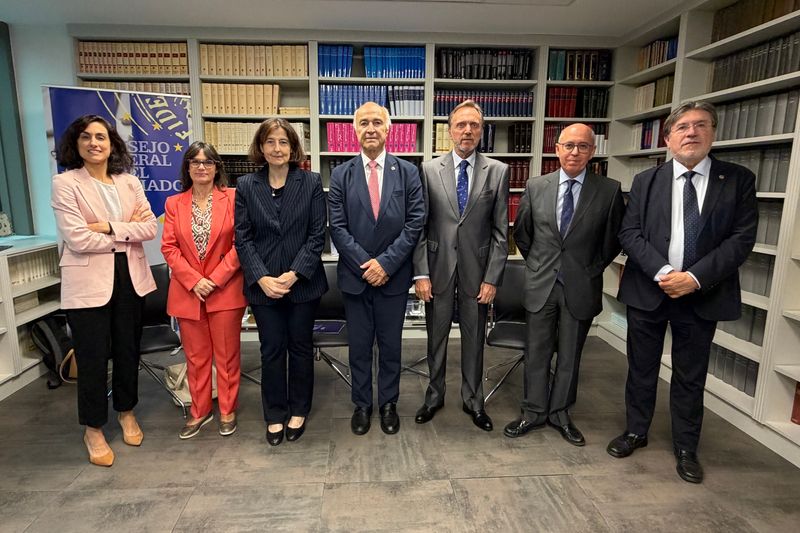
Contar con instituciones sólidas, impulsar la colaboración internacional y avanzar en la prevención del fraude y el blanqueo de capitales son también algunas de las claves necesarias para consolidar un espacio iberoamericano de inversión más integrado, transparente y seguro. Así lo señalaron los expertos en las X Jornadas sobre Seguridad Jurídica de las Inversiones en Iberoamérica, organizadas por el Consejo General del Notariado (CGN) en colaboración con la Unión Internacional del Notariado (UINL) y la Academia Notarial Americana, una sesión que reunió a representantes de las instituciones iberoamericanas, del Notariado y de entidades financieras.
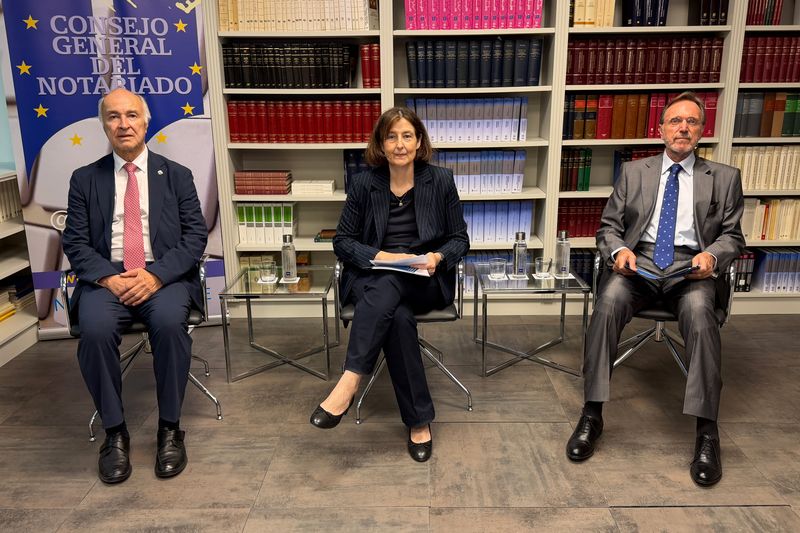
«La inversión necesita reglas claras, estables y aplicadas por instituciones sólidas e independientes; y la seguridad jurídica es una condición de desarrollo económico y social, una tarea colectiva que contribuye al progreso de las naciones y a construir sociedades prósperas y justas. La seguridad jurídica reduce la incertidumbre, disminuye los costes de transacción, facilita el acceso al crédito, favorece el emprendimiento, protege la propiedad y permite que los mercados funcionen sobre una base de confianza», destacó Alfonso Cavallé, delegado para América del Notariado español y director de las jornadas.
«Los notarios, las administraciones públicas, las instituciones financieras, los organismos multilaterales y las organizaciones empresariales comparten un objetivo común: que el tráfico económico y el tráfico jurídico puedan desarrollarse sobre esa base de confianza», añadió el también decano del Colegio Notarial de Canarias.
LA COOPERACIÓN INTERNACIONAL Y LA PREVENCIÓN DEL FRAUDE SON ESENCIALES PARA CONSOLIDAR UN ESPACIO IBEROAMERICANO DE INVERSIÓN MÁS INTEGRADO
En la sesión, el secretario general iberoamericano, Andrés Allamand, apuntó también a la confianza como un elemento esencial para la inversión y declaró que «la seguridad jurídica no es sólo una condición para atraer capital, es una garantía para toda la sociedad. La institucionalidad, transparencia y legitimidad de las transacciones no son conceptos reservados al mundo jurídico, son también factores de competitividad, crecimiento y desarrollo. Invertir supone comprometer recursos hoy, y para hacerlo se necesitan reglas previsibles, contratos que se cumplan y mecanismos eficaces para resolver controversias».
La intervención notarial, clave para la seguridad jurídica
En esta misma línea, la presidenta del CGN, Concepción Pilar Barrio Del Olmo, se refirió a la confianza como una «necesidad fundamental» de los mercados, junto a la existencia de instituciones sólidas, «capaces de garantizar el cumplimiento de las normas y proporcionar certeza en las relaciones jurídicas. Instituciones como el Notariado, que permite prevenir conflictos, reducir la incertidumbre y facilitar que ciudadanos y empresas puedan tomar decisiones debidamente informadas. Como notarios, nuestra función consiste precisamente en aportar certeza, controlar la legalidad, asesorar de manera imparcial y garantizar que los negocios jurídicos se formalicen con todas las garantías».
LA REGIÓN HA EXPERIMENTADO UNA EVOLUCIÓN FAVORABLE EN TÉRMINOS DE ESTABILIDAD NORMATIVA E INSTITUCIONAL
Barrio Del Olmo apuntó, igualmente, a la transparencia de las operaciones económicas como elemento imprescindible para combatir el blanqueo de capitales, la corrupción o la utilización de estructuras jurídicas con fines ilícitos: «En la lucha contra esta lacra, el Notariado español juega un papel clave gracias a la información contenida en las escrituras públicas, su estructuración en el Índice Único Informatizado Notarial y a los instrumentos desarrollados para colaborar con las autoridades competentes, a través de nuestro Órgano Centralizado de Prevención del blanqueo (OCP), como son las bases de datos de titularidad real y de personas con responsabilidad política. La experiencia del Notariado español demuestra que es posible combinar agilidad, tecnología y seguridad jurídica: no tenemos por qué elegir entre eficacia y garantías».
Sobre la labor que realiza OCP a partir de los datos contenidos en los documentos notariales, el director del órgano, Pedro Galindo, explicó que el Índice Único Informatizado Notarial es la segunda mayor base de datos de España, con información de aproximadamente 48.500.000 personas físicas y 3.300.000 personas jurídicas. «En España, la identificación del titular real se hace a través del control que efectúa el notario. La Base de Datos de Titular Real contiene información del mapa accionarial -total o parcial- de más de 2.140.000 sociedades. Somos capaces de seguir la propiedad de cada participación en una sociedad de responsabilidad limitada. Si esto lo aplicáramos en el ámbito iberoamericano el salto de calidad sería definitivo», señaló Galindo. En este sentido, avanzó, el Consejo General del Notariado está colaborando con determinados países de América Latina para establecer sistemas de prevención del blanqueo realmente eficaces, basados en el modelo notarial español.
EL AUMENTO DE LA DEMANDA MUNDIAL DE ENERGÍA, MINERALES E INFRAESTRUCTURAS TECNOLÓGICAS ABRE NUEVAS VÍAS DE CRECIMIENTO
El presidente de la UINL, David Figueroa, reconoció la eficacia de este modelo y reivindicó el papel del notario como «parte fundamental de la infraestructura jurídica que hace posible una transacción segura»: «Una operación cuya validez puede ser cuestionada, una identidad que no fue correctamente comprobada, una propiedad cuya titularidad resulta incierta o un consentimiento viciado no son únicamente problemas jurídicos, son también problemas económicos: generan litigios, retrasos, costes, movilización de recursos y desconfianza. Un país que cuenta con un Notariado sólido cuenta también con un aliado institucional para el desarrollo de su economía; y un mercado con transacciones jurídicamente seguras es un mercado más confiable y -finalmente- más eficiente. Ese es el compromiso que asumimos los notarios: garantizar seguridad jurídica y eficiencia económica».
El secretario general de la Conferencia de Ministros de Justicia de los Países Iberoamericanos (Comjib), Enrique Gil Botero, hizo hincapié en que, para el inversor, «un país puede tener una legislación de inversión atractiva y, aun así, ofrecer una experiencia jurídica incierta si los permisos, los contratos, los registros, las decisiones administrativas o los mecanismos de recurso funcionan de manera fragmentada». En su opinión, la seguridad jurídica «requiere de tres elementos conectados: la institucionalidad, quién decide y con qué controles; la transparencia, qué información está disponible y cómo se accede a ella; y la legitimidad». Y reafirmó que, hoy, «el desafío para Iberoamérica es construir marcos suficientemente estables para atraer inversión y suficientemente adaptables para responder a las transformaciones económicas, tecnológicas, ambientales y sociales».

Retos y oportunidades: perspectiva financiera
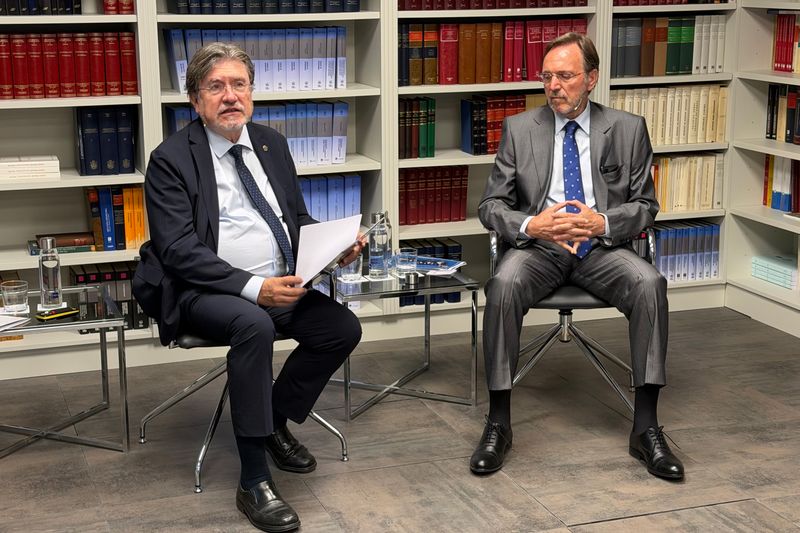
Marisol de Francisco, responsable de Análisis Económico para América Latina de Banco Santander, y Laura Fernández Castro, abogada de Legal-Corporativo de BBVA, debatieron sobre los retos, oportunidades y perspectivas de futuro desde la mirada del sector bancario; bajo la moderación de Ramón Casilda, presidente de la Asociación de Empresas Multilatinas en España y coordinador de la sesión.
De Francisco defendió que la región iberoamericana ha experimentado «una evolución que ha sido el resultado de años de reformas, de fortalecimiento institucional y de aprendizaje tras múltiples crisis económicas. Hoy nos encontramos marcos monetarios más sólidos, sistemas financieros más desarrollados y una capacidad considerable de absorber perturbaciones externas». La representante de Banco Santander se mostró optimista en que estos cambios puedan traducirse en crecimiento sostenible: «La transición energética, la digitalización y la expansión de la inteligencia artificial están transformando las necesidades de inversión de la economía global y reforzando la demanda mundial de energía, minerales e infraestructuras tecnológicas. Y aquí Latinoamérica juega un papel muy relevante».
Por su parte, Fernández Castro aludió a la utilización de las instituciones «adaptadas a los nuevos tiempos, pero sin devaluar la certeza y el valor que nos han dado durante siglos». Asimismo, afirmó que en el ámbito inversor es poco discutible que «la intervención notarial ofrece una seguridad jurídica sobre la capacidad de los intervinientes y la legalidad del negocio que contribuye a que se desarrolle en un entorno mucho más confiable» y alertó que la hiperregulación puede debilitar esa seguridad jurídica: «Cuando tienes entornos normativos complejos y cambiantes es más difícil para los operadores jurídicos y económicos adaptarse. Tener hoy una norma y al mes otra distinta tiene un coste de adaptación alto que los operadores económicos repercuten en su cuenta de resultados y tienen en consideración a la hora de invertir», concluyó.
La lacra del crimen organizado
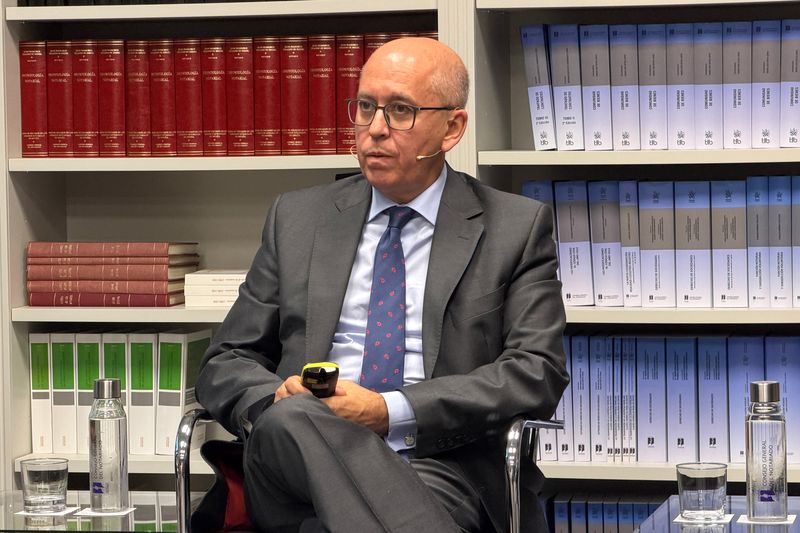
En su intervención, Pedro Galindo, director del OCP notarial, diagnosticó que Iberoamérica «acusa un problema de economía informal, de generación de recursos de origen ilícito, de sustracción de esos recursos para aplicarlos a actividades prestacionales propias de un país moderno, y de profesionalización del crimen organizado».
El director del Órgano Centralizado de Prevención (OCP) del blanqueo del Notariado español detalló en cifras el impacto de esta problemática: «Según los últimos informes del Banco Interamericano de Desarrollo, el 3,44% del PIB de Latinoamérica está vinculado al crimen. Y si hablamos en términos de evasión fiscal, se superan los 43.000 millones de dólares».
En 2025, con datos de la Comisión Económica para América Latina y el Caribe de las Naciones Unidas, la inversión extranjera en Iberoamérica alcanzó los 194.000 millones de dólares (un 1,7% más que en 2024). «Esto supone tan solo el 2,8% del IVA agregado de los países latinoamericanos, lo que revela que el inversor exterior no ve condiciones de seguridad jurídicas suficientes como para invertir en la región», explicó Galindo.
GLOBAL VILLAGE
Technological, economic, and social transformation opens up new investment opportunities in Latin America. To capitalise on them, the region must be capable of rising to the challenge of establishing and guaranteeing stable and predictable legal frameworks. Indeed, confidence—underpinned by legal certainty—is an essential element for attracting investors and fostering economic development.
Having robust institutions, fostering international collaboration, and making progress in the prevention of fraud and money laundering are also among the factors required in order to consolidate a more integrated, transparent, and secure Latin American investment area. This was highlighted by experts at the 10th Conference on Legal Certainty for Investments in Latin America, organised by the General Council of the Spanish Notariat (CGN) in collaboration with the International Union of Notaries (UINL) and the American Notarial Academy—a session that brought together representatives from Latin American institutions, the notarial profession, and financial entities.
Investment requires clear, stable rules enforced by robust and independent institutions; and legal certainty is a prerequisite for economic and social development—a collective endeavour that contributes to the progress of nations and to building prosperous and just societies. «Legal certainty reduces uncertainty, lowers transaction costs, facilitates access to credit, fosters entrepreneurship, protects property, and enables markets to function on a foundation of trust,» highlighted Alfonso Cavallé, delegate for the Americas for the Spanish Notariat and conference director.
«Notaries, public authorities, financial institutions, multilateral bodies, and business organisations share a common goal: ensuring that economic and legal transactions can take place on that foundation of trust,» added the Dean of the Notarial Association of the Canary Islands.
INTERNATIONAL COOPERATION AND FRAUD PREVENTION ARE ESSENTIAL FOR CONSOLIDATING A MORE INTEGRATED LATIN AMERICAN INVESTMENT AREA
During the session, Latin American Secretary General Andrés Allamand also highlighted trust as an essential element for investment, stating that «legal certainty is not merely a condition for attracting capital; it is a guarantee for society as a whole. The institutional framework, transparency, and legitimacy of transactions are not concepts reserved for the legal sphere; they are also factors of competitiveness, growth, and development. Investing entails committing resources today, and doing so requires predictable rules, enforceable contracts, and effective mechanisms for resolving disputes.
Notarial intervention: a key to legal certainty
In this same vein, the President of the CGN, Concepción Pilar Barrio Del Olmo, referred to trust as a «fundamental requirement» for markets, alongside the existence of robust institutions that are «capable of guaranteeing compliance with regulations and providing certainty in legal relationships. Institutions such as the notarial profession, which helps to prevent conflicts, reduce uncertainty, and enable citizens and businesses to make properly informed decisions. As notaries, our role is precisely to provide certainty, ensure compliance with the law, provide impartial advice, and guarantee that legal transactions are formalised with all necessary safeguards».
THE REGION HAS EXPERIENCED A FAVOURABLE EVOLUTION IN TERMS OF REGULATORY AND INSTITUTIONAL STABILITY
Barrio Del Olmo also highlighted the transparency of economic transactions as a crucial factor in combating money laundering, corruption, and the use of legal structures for illicit purposes: «In the fight against this scourge, the Spanish Notariat plays a key role due to the information contained in public deeds, its structuring within the Unified Computerised Notarial Index, and the instruments developed to collaborate with competent authorities—through our Centralised Anti-Money Laundering Body (OCP)—such as the databases on beneficial ownership and politically exposed persons. The experience of the Spanish notariat demonstrates that it is possible to combine agility, technology, and legal certainty: we do not have to choose between efficiency and safeguards».
Regarding the work carried out by the OCP based on data contained in notarial documents, the body’s director, Pedro Galindo, explained that the Unified Computerised Notarial Index is the second-largest database in Spain, and contains information on approximately 48,500,000 natural persons and 3,300,000 legal entities. «In Spain, the identification of the beneficial owner is carried out through the checks performed by the notary. The Beneficial Owner Database contains information on the shareholding structure—whether total or partial—of more than 2,140,000 companies. We are able to track the ownership of each share in a limited liability company. If we were to apply this within the Latin American sphere, the leap in quality would be definitive,» stated Galindo. In this regard, he noted, the General Council of the Spanish Notariat is collaborating with certain Latin American countries in order to establish truly effective anti-money laundering systems based on the Spanish notarial model.
THE RISE IN GLOBAL DEMAND FOR ENERGY, MINERALS, AND TECHNOLOGICAL INFRASTRUCTURE OPENS UP NEW AVENUES FOR GROWTH
The President of the UINL, David Figueroa, acknowledged the effectiveness of this model and highlighted the role of the notary as a «fundamental part of the legal infrastructure that enables a secure transaction»: «A transaction whose validity can be challenged, an identity that was not correctly verified, a property with uncertain ownership, or vitiated consent are not merely legal issues; they are also economic ones: they give rise to litigation, delays, costs, the mobilisation of resources, and a lack of trust. A country with a robust notarial system also has an institutional ally for its economic development; and a market with legally secure transactions is a more trustworthy and—ultimately—more efficient market. That is the commitment we notaries undertake: to guarantee legal certainty and economic efficiency».
The Secretary General of the Conference of Ministers of Justice of Latin American Countries (COMJIB), Enrique Gil Botero, emphasised that, for an investor, «a country may have attractive investment legislation and yet still offer an uncertain legal experience if permits, contracts, registries, administrative decisions, or appeal mechanisms operate in a fragmented manner». In his view, legal certainty «requires three interconnected elements: institutional frameworks—who decides and subject to what controls; transparency—what information is available and how it is accessed; and legitimacy». He repeated that today «the challenge for Latin America is to build frameworks that are sufficiently stable to attract investment and sufficiently adaptable to respond to economic, technological, environmental, and social transformations».
Challenges and opportunities: financial perspective
Marisol de Francisco, Head of Economic Analysis for Latin America at Banco Santander, and Laura Fernández Castro, Corporate Legal Counsel at BBVA, discussed the challenges, opportunities, and future outlook from the perspective of the banking sector; the chair was Ramón Casilda, President of the Association of Multinational Latin American Companies in Spain and coordinator of the session.
De Francisco argued that the Latin American region has undergone «an evolution resulting from years of reforms, institutional strengthening, and learning following multiple economic crises. Today, we find ourselves with more robust monetary frameworks, more developed financial systems, and a considerable capacity to absorb external shocks». The Banco Santander representative expressed optimism that these changes could translate into sustainable growth: «The energy transition, digitalisation, and the expansion of artificial intelligence are transforming the global economy’s investment needs and reinforcing global demand for energy, minerals, and technology infrastructure. And here, Latin America plays a very significant role».
For her part, Fernández Castro referred to the use of institutions «adapted to modern times, yet without devaluing the certainty and value they have provided us with for centuries». She also stated that, in the investment sphere, it is hardly open to dispute that «notarial intervention provides legal certainty regarding the capacity of the parties involved and the legality of the transaction, contributing to its execution in a much more reliable environment,» and warned that over-regulation could undermine that legal certainty: «When regulatory environments are complex and constantly changing, it is more difficult for legal and economic operators to adapt. Having one rule today and a different one a month later entails a high cost of adaptation, which economic operators pass on to their bottom line and take into account when making investment decisions,» she concluded.
The scourge of organised crime
In his address, Pedro Galindo, director of the notarial OCP, stated that Latin America «is grappling with a problem involving the informal economy, the generation of illicitly sourced funds, the diversion of those funds into service-provision activities typical of a modern country, and the professionalisation of organised crime».
The director of the Spanish Notariat’s Centralised Anti-Money Laundering Body (OCP) detailed the impact of this issue in figures: According to the latest reports from the Inter-American Development Bank, 3.44% of Latin America’s GDP is linked to crime. And in terms of tax evasion, the figure exceeds 43 billion dollars.
In 2025, according to data from the United Nations Economic Commission for Latin America and the Caribbean, foreign investment in Latin America reached $194 billion (1.7% more than in 2024). «This represents just 2.8% of the aggregate VAT of Latin American countries, revealing that foreign investors do not see sufficient legal certainty to invest in the region,» explained Galindo.