Siguiente Reforzar la seguridad jurídica en Iberoamérica, clave para la cooperación y el desarrollo

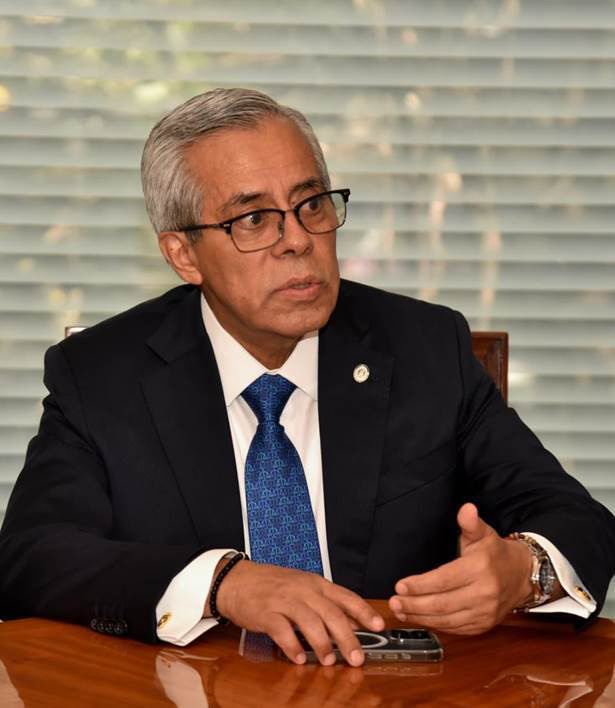
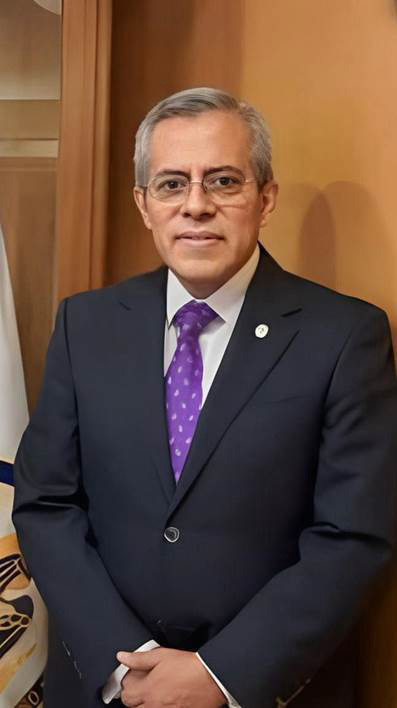
-¿Qué supone para usted, tanto en lo personal como en lo profesional, ser el máximo representante de los cerca de 300.000 notarios repartidos por el mundo?
– Es una profunda responsabilidad y, al mismo tiempo, una gran honra. Representar al Notariado mundial es un acto de servicio que exige compromiso, empatía y visión global. En lo personal, lo asumo como un reconocimiento al trabajo colectivo del Notariado mexicano e iberoamericano, que ha demostrado capacidad, preparación y sentido social. En lo profesional, es la oportunidad de contribuir a fortalecer una institución que da confianza a millones de ciudadanos en el mundo.
“REPRESENTAR AL NOTARIADO MUNDIAL ES UN ACTO DE SERVICIO QUE EXIGE COMPROMISO, EMPATÍA Y VISIÓN GLOBAL”
-¿Cómo valora su experiencia previa en sus anteriores cargos directivos?
– Esas experiencias me han permitido conocer de cerca la realidad de los notariados, sus fortalezas y sus desafíos. La presidencia del Notariado mexicano me enseñó el valor de la unidad y del trabajo colegiado, mientras que la Comisión de Asuntos Americanos me ofreció una visión continental, con contextos jurídicos y culturales muy diversos. Esas vivencias me dieron claridad sobre cómo construir consensos y cómo traducir las diferencias en oportunidades de crecimiento institucional.
-¿Qué principales desafíos cree que enfrenta hoy la UINL y qué líneas de acción se propone impulsar durante su presidencia?
– El desafío central es mantener la vigencia del modelo notarial romano-germánico en un entorno global que cambia aceleradamente. Debemos avanzar en la transformación digital con identidad notarial, fortalecer la colaboración con organismos internacionales y reforzar la presencia del Notariado en temas globales como el desarrollo sostenible, la protección de datos, la prevención de lavado de dinero y el acceso equitativo a la justicia. Mi meta es que la UINL sea vista no solo como una organización jurídica, sino como un actor internacional central en la construcción de confianza, paz y desarrollo.
“QUE DOS TERCIOS DEL MUNDO CONFÍEN EN ESTE SISTEMA SIGNIFICA QUE LA SOCIEDAD VALORA LA CERTEZA, LA PREVENCIÓN DE CONFLICTOS Y LA PROTECCIÓN DE LOS DERECHOS”
-La UINL agrupa a 93 países que representan a dos terceras partes de la población mundial. ¿Qué mensaje le transmite este respaldo internacional al sistema notarial latino-germánico?
– Y pienso que pronto seremos 100. Esa es la mejor prueba de su solidez. El modelo notarial romano-germánico se ha consolidado como un referente de seguridad jurídica y eficiencia institucional. Que dos tercios del mundo confíen en este sistema significa que la sociedad valora la certeza, la prevención de conflictos y la protección de los derechos. Ese respaldo nos motiva a seguir modernizando la función sin renunciar a su esencia: el servicio público ejercido con independencia, imparcialidad y humanidad.
-En los últimos años, países tan relevantes como China se han incorporado al sistema. ¿Cómo interpreta esta expansión y qué oportunidades abre para el Notariado?
– La incorporación de China y otros países demuestra que el modelo romano-germánico no es una tradición regional, sino una respuesta global a la necesidad de seguridad jurídica. Abre oportunidades de diálogo intercultural, de cooperación tecnológica y de armonización de estándares internacionales. Nos permite compartir experiencias, desarrollar proyectos conjuntos y posicionar al Notariado como un socio confiable para los gobiernos y las economías emergentes.
-¿Qué cree que puede aportar el Notariado latino en un mundo cada vez más globalizado y digitalizado?
– El Notariado latino aporta humanismo y equilibrio. En un mundo dominado por la tecnología, el notario representa la figura de confianza que valida la voluntad humana detrás de cada acto jurídico. Somos garantes de la legalidad, pero también de la ética. Nuestra función aporta valor en la economía digital porque traduce la confianza en reglas, y las reglas en justicia.
“EL NOTARIADO ESPAÑOL ES UN EJEMPLO DE COMPROMISO Y VISIÓN. HA SABIDO COMBINAR UNA SÓLIDA ESTRUCTURA INSTITUCIONAL CON UNA APERTURA MODERNA HACIA LA COOPERACIÓN INTERNACIONAL”
-El Notariado de España viene realizando una amplia agenda en el ámbito internacional. ¿Cómo la valora?
– El Notariado español es un ejemplo de compromiso y visión. Ha sabido combinar una sólida estructura institucional con una apertura moderna hacia la cooperación internacional. Su liderazgo técnico y académico ha contribuido enormemente a la formación de otros notariados y al fortalecimiento de la UINL.
-Ha visitado en varias ocasiones al Notariado de España, la última en febrero de este año. ¿Cómo valora su Centro Tecnológico, su Órgano Centralizado de Prevención (OCP) del blanqueo de capitales o las actividades de la Fundación Aequitas? ¿Cree que este tipo de experiencias pueden trasladarse a otros países?
– Sin duda. El Centro Tecnológico del Notariado español y su OCP son modelos de eficiencia y transparencia. Han demostrado que la innovación puede coexistir con la función pública sin perder rigor ni humanidad. Y la Fundación Aequitas, con su labor social, recuerda que el Notariado no solo autentica documentos, sino que transforma vidas. Muchas de estas experiencias pueden y deben adaptarse a otros contextos, respetando las realidades locales.
-También ha participado en varios cursos, jornadas y seminarios organizados por el Notariado de España. ¿Considera útiles estas actividades?
– Por supuesto. El intercambio académico y técnico entre notariados fortalece a todos. España ha sabido crear espacios de diálogo donde se comparten buenas prácticas y se forja una comunidad internacional de conocimiento. Creo que esa es una de las grandes fortalezas del Notariado: aprender juntos para servir mejor.
“LA INTELIGENCIA ARTIFICIAL PUEDE AYUDARNOS A SER MÁS EFICIENTES, PERO NUNCA SUSTITUIRÁ LA PRUDENCIA NI LA RESPONSABILIDAD ÉTICA DEL NOTARIO”
-¿Cómo ve el futuro del Notariado en el contexto de la digitalización y la inteligencia artificial?
– Lo veo con optimismo. La tecnología no es una amenaza, sino una herramienta. La inteligencia artificial puede ayudarnos a ser más eficientes, pero nunca sustituirá la prudencia ni la responsabilidad ética del notario. El reto es incorporar la innovación sin perder el sentido humano de la función. El Notariado del futuro será digital, sí, pero sobre todo seguirá siendo profundamente humano.
-¿Cuáles son, en su opinión, los principales retos en materia de seguridad jurídica preventiva en el plano internacional?
– El reto es garantizar que la globalización no debilite los estándares de legalidad. La movilidad de personas, capitales y datos exige respuestas jurídicas coordinadas. La seguridad jurídica preventiva debe evolucionar hacia un modelo de confianza internacional compartida, donde los notarios trabajemos de la mano con otras profesiones y organismos para asegurar transparencia, integridad y certeza.
-¿Qué papel puede desempeñar el Notariado en la protección de los derechos de los ciudadanos y en la promoción de la justicia y la paz social?
– El Notariado es, ante todo, una profesión de paz. Actuamos antes del conflicto, en el momento en que las personas buscan acuerdos y soluciones. En cada acto notarial hay un ejercicio de justicia preventiva. Esa labor, silenciosa pero constante, contribuye a la estabilidad social y a la convivencia armónica.
 -¿Qué lo motivó a dedicar su carrera a la función notarial?
– Desde muy joven me atrajo la idea de servir a la sociedad a través del Derecho, pero de una forma cercana y preventiva. Descubrí en el Notariado una profesión que une la técnica jurídica con la sensibilidad humana, donde cada firma representa un acto de confianza entre las personas.
-¿Quiénes han sido sus principales referentes o maestros en el ejercicio del Notariado?
– He tenido grandes maestros en México y en el extranjero, pero sobre todo admiro a los notarios que trabajan día a día con discreción, honestidad y vocación de servicio. Ellos representan el espíritu auténtico de nuestra función.
-¿Qué mensaje le gustaría transmitir a los notarios del mundo que hoy lo felicitan por su elección?
– Les diría que esta elección no es un triunfo individual, sino colectivo. Pertenece a todos los notarios que creen en el valor de la seguridad jurídica, en la ética profesional y en la cooperación internacional. Mi compromiso es trabajar con todos y para todos, con respeto, transparencia y entusiasmo. El futuro del Notariado es tan grande como nuestra voluntad de servir.
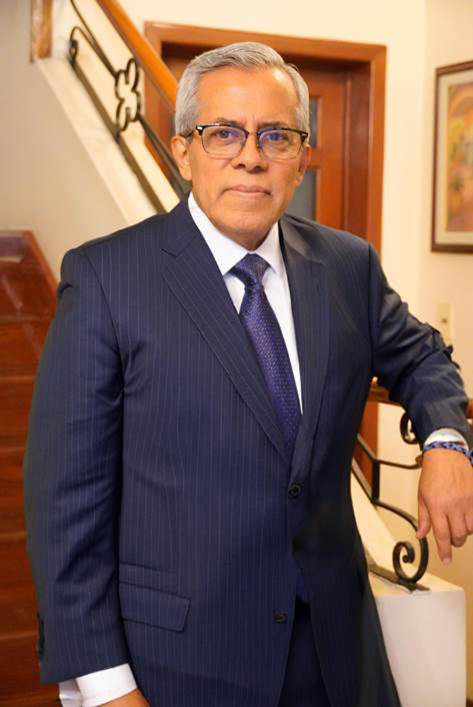
-What does it mean to you, both personally and professionally, to be the highest representative of the 300,000 notaries around the world?
– It is a profound responsibility and, at the same time, a great honour. Representing the world’s notarial profession is an act of service that demands commitment, empathy and global vision. Personally, I see this as recognition of the collective work of the Mexican and Ibero-American notariat, who have demonstrated capacity, preparation and a sense of social responsibility. Professionally, it is an opportunity to contribute to strengthening an institution that gives confidence to millions of citizens around the world.
“REPRESENTING THE WORLD’S NOTARIAL PROFESSION IS AN ACT OF SERVICE THAT DEMANDS COMMITMENT, EMPATHY AND GLOBAL VISION”
-How would you rate your previous experience in management?
– These experiences have given me an insight into the reality of notaries’ offices, their strengths and challenges. The presidency of the Mexican Notariat taught me the value of unity and working collectively, while the Committee on American Affairs offered me a continental perspective, encompassing very diverse legal and cultural contexts. These experiences gave me clarity on how to build consensus and how to translate differences into opportunities for institutional growth.
-What do you see as the main challenges facing UINL today and what courses of action do you intend to follow during your presidency?
– The central challenge is to maintain the relevance of the Romano-Germanic notarial model in a rapidly changing global environment. We must advance the digital transformation with notarial identity, strengthen collaboration with international organisations and strengthen the presence of the notarial profession in global issues such as sustainable development, data protection, money laundering prevention and equitable access to justice. My goal is for UINL to be seen not only as a legal organisation, but as a central international actor in building trust, peace and development.
“THE FACT THAT TWO-THIRDS OF THE WORLD TRUST THIS SYSTEM MEANS THAT SOCIETY VALUES CERTAINTY, CONFLICT PREVENTION AND THE PROTECTION OF RIGHTS”
-The UINL brings together 93 countries representing two-thirds of the world’s population. What message does this international support for the Latin-Germanic notarial system convey to you?
– And I think there will soon be 100 of us. That is the best proof of its strength. The Romano-Germanic notarial model has established itself as a benchmark for legal certainty and institutional efficiency. That two-thirds of the world trust this system means that society values certainty, conflict prevention and the protection of rights. This support motivates us to continue modernising the function without renouncing its essence: public service exercised with independence, impartiality and humanity.
-In recent years, countries as important as China have joined the system. How do you interpret this expansion and what opportunities does it open up for the notarial profession?
– The incorporation of China and other countries shows that the Romano-Germanic model is not a regional tradition, but a global response to the need for legal certainty. It opens up opportunities for intercultural dialogue, technological cooperation and the harmonisation of international standards. It allows us to share experiences, develop joint projects and position the Notariat as a reliable partner for governments and emerging economies.
–What do you think Latin notaries can contribute in an increasingly globalised and digitalised world?
– The Latin notariat provides humanism and balance. In a world dominated by technology, the notary represents the trusted figure who validates the human will behind every legal act. We are guarantors of legality, and also of ethics. Our role brings value to the digital economy because it translates trust into rules and those rules into justice.
“THE SPANISH NOTARIAT IS AN EXAMPLE OF COMMITMENT AND VISION. “IT HAS MANAGED TO COMBINE A SOLID INSTITUTIONAL STRUCTURE WITH A MODERN OPENNESS TOWARDS INTERNATIONAL COOPERATION”
-The Spanish Notariat has been applying an extensive agenda in the international sphere. How do you assess it?
– The Spanish Notariat is an example of commitment and vision. It has successfully combined a solid institutional structure with a modern openness to international cooperation. His technical and academic leadership has contributed greatly to the development of other notariats and the strengthening of UINL.
-He has visited the Spanish Notariat on several occasions, most recently in February this year. How do you rate your Technology Centre, your Centralised Money Laundering Prevention Body (OCP), for money laundering or the activities of the Aequitas Foundation? Do you think this type of experience can be transferred to other countries?
– Of course. The Spanish Notarial Technology Centre and its Centralised Money Laundering Prevention Body (OCP), are models of efficiency and transparency. They have shown that innovation can coexist with public service without losing rigour or humanity. Through its social action, the Aequitas Foundation reminds us that the notariat not only authenticates documents, but also transforms lives. Many of these experiences can and should be adapted to other contexts, and respect local realities.
-He has also participated in several courses, conferences and seminars organised by the Spanish Notariat. Do you find these activities useful?
– Of course. The academic and technical exchange between notariats strengthens everyone. Spain has created spaces for dialogue where good practices are shared and an international knowledge community is forged. I believe that is one of the great strengths of the notarial profession: learning together to better serve.
“ARTIFICIAL INTELLIGENCE CAN HELP US BE MORE EFFICIENT, BUT IT WON’T REPLACE THE NOTARY’S PRUDENCE OR THEIR ETHICAL RESPONSIBILITY”
-How do you see the future of the notariat in the context of digitalisation and artificial intelligence?
– I am optimistic. Technology is not a threat, but a tool. Artificial intelligence can help us to be more efficient, but it will never replace the prudence and ethical responsibility of the notary. The challenge is to incorporate innovation without losing the human aspect of the role. The notariat of the future will be digital, of course, but above all it will remain profoundly human.
-What do you see as the main challenges in terms of preventive legal certainty at the international level?
– The challenge is to ensure that globalisation does not undermine standards of legality. The mobility of people, capital and data requires coordinated legal responses. Preventive legal certainty must evolve towards a model of shared international trust, where we notaries work hand in hand with other professions and bodies to ensure transparency, integrity and legal assurance.
-What role can the notary’s office play in protecting citizens’ rights and promoting justice and social peace?
– The Notariat is, first and foremost, a profession of peace. We act before the conflict, when people are looking for agreements and solutions. In every notarial act there is an exercise of preventive justice. That work, silent but constant, contributes to social stability and harmonious coexistence.
-What motivated you to dedicate your career to the notarial function?– From a very young age I was drawn to the idea of serving society through the law, but in an approachable, preventative way. I discovered in the notary’s office a profession that unites legal technique with human sensitivity, where each signature represents an act of trust between people.
-Who have been your main influences or teachers in notarial practice?
– I have had great teachers in Mexico and abroad, but above all I admire the notaries who work day-to-day with discretion, honesty and a vocation for public service. They represent the true spirit of our role.
-What message would you like to convey to the notaries of the world who are congratulating you today on your election?
– I would tell them that this election is not an individual triumph, but a collective one. It applies to all notaries who believe in the value of legal certainty, professional ethics and international cooperation. My commitment is to work with everyone and for everyone, with respect, transparency and enthusiasm. The future of the notarial profession is as great as our willingness to serve.