Siguiente Notariado y Vivienda

Nº 157
Enero - febrero 2026
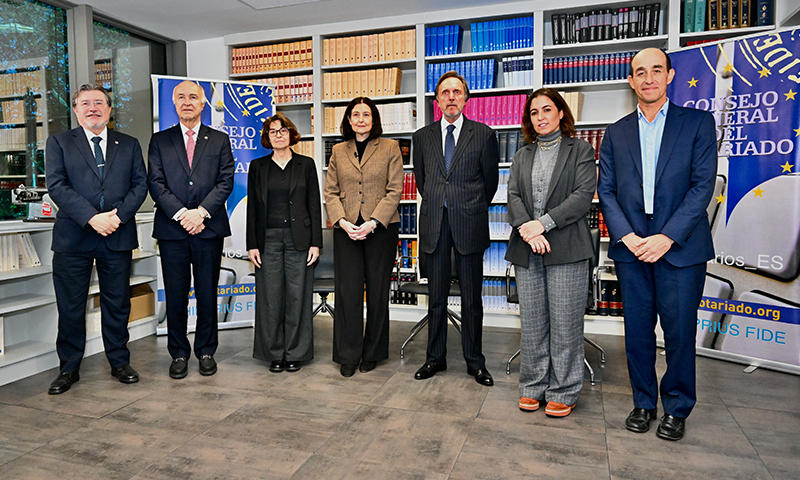
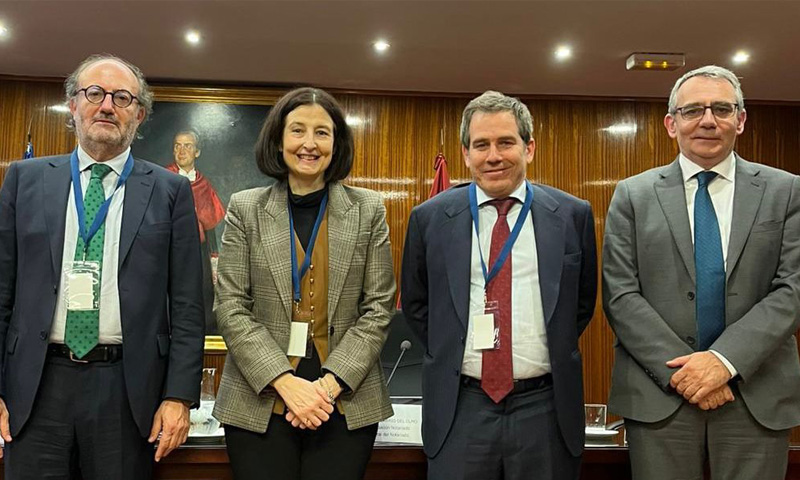
La necesidad de reforzar la seguridad jurídica en el espacio iberoamericano, establecer un marco normativo que facilite la cooperación y movilizar la inversión pública y privada para la financiación del desarrollo sostenible fueron las principales conclusiones de las IX Jornadas sobre Seguridad Jurídica de las Inversiones en Iberoamérica, que reunió a notarios, juristas, profesionales sectoriales y representantes de las más altas instituciones europeas y latinoamericanas.
La sesión tomó como punto de partida la ‘Declaración de Sevilla’, documento que recoge los acuerdos alcanzados en la IV Conferencia Internacional sobre Financiación al Desarrollo, celebrada en la capital hispalense en el mes de julio. Sobre la Declaración, Cristina Díaz Fernández-Gil, embajadora en misión especial para financiación del desarrollo, señaló que “ha constituido una oportunidad para renovar el compromiso con el multilateralismo y con la cooperación internacional; así como el consenso mundial sobre la financiación del desarrollo sostenible, subrayando la necesidad de movilizar todas las fuentes de financiación: públicas, privadas, nacionales e internacionales. El momento, por tanto, para celebrar estas jornadas nos parece muy oportuno”.
ESPAÑA ESTÁ COMPROMETIDA CON UNA COOPERACIÓN IBEROAMERICANA QUE IMPULSE MODELOS DE DESARROLLO EQUILIBRADOS
Esta Declaración, expuso Díaz, “nos da el marco político para consensuar fórmulas que protejan inversiones y, al mismo tiempo, salvaguarden políticas públicas legítimas. Fortalecer la seguridad jurídica es una condición indispensable para el desarrollo sostenible, la justicia social y la democracia efectiva. España está comprometida con una cooperación iberoamericana que impulse modelos de desarrollo equilibrados entre las tres dimensiones de la sostenibilidad: la ambiental, la social y la económica; y que no pierdan de vista el desarrollo humano, la educación, la salud, la protección social y la reducción de descomodidades. Solo así podemos asegurar que la inversión privada sea un verdadero catalizador del bienestar y no un fin en sí misma”.
Foro de diálogo
Asimismo, la presidenta del Consejo General del Notariado (CGN), Concepción Pilar Barrio Del Olmo, apuntaló que esta Declaración ha sentado las bases de la XXX Cumbre Iberoamericana de Jefes de Estado y de Gobierno, que se celebrará en Madrid, en noviembre de 2026. “Uno de los puntos fundamentales de la Declaración -explicó Barrio Del Olmo- es la reafirmación de la Comunidad Iberoamericana como un foro privilegiado de diálogo, concertación política, solidaridad y cooperación. Esta cooperación tiene un valor esencial en estos momentos y la presencia española es de gran trascendencia».
LA SESIÓN TOMÓ COMO PUNTO DE PARTIDA LA ‘DECLARACIÓN DE SEVILLA’, DOCUMENTO QUE RECOGE LOS ACUERDOS ALCANZADOS EN LA IV CONFERENCIA INTERNACIONAL SOBRE FINANCIACIÓN AL DESARROLLO
La presidenta del CGN subrayó que «las relaciones entre España y América tienen unas raíces centenarias, en múltiples ámbitos: la lengua, la cultura, el derecho o el comercio, así como en la conexión de la vida de los ciudadanos. Precisamente en esa conexión tuvieron originalmente un papel destacado los escribanos, hoy notarios: para conocer la historia de España y de América hay que acudir a la rica fuente de los protocolos notariales”. “Ahora la sociedad nos exige reeditar esas relaciones con certeza y seguridad jurídica y, en pro de ello, desde el Notariado español hemos impulsado la cooperación internacional con proyectos como Iberfides, una plataforma que facilita y refuerza la circulación de documentos notariales en Iberoamérica”, explicó.
El secretario general Iberoamericano, Andrés Allamand, se refirió también a la próxima Cumbre Iberoamericana de jefes de Estado: “Constituye una gran oportunidad para avanzar en una planificación de la cooperación iberoamericana más estratégica y concertada, con nuevas prioridades y con mecanismos renovados que contribuyan a la consolidación del sistema”. Este nuevo enfoque estratégico -señaló- “se abrirá a los nuevos desafíos que afronta Iberoamérica: la prosperidad, que debe alcanzarse a través de un crecimiento robusto; la gobernabilidad, que requiere corregir las disfuncionalidades del sistema político; y la seguridad en todas sus variables, incluyendo la seguridad jurídica sobre la que profundizamos en estas jornadas. Sin seguridad no hay gobernabilidad ni prosperidad”.
Compromisos adquiridos
En la primera mesa redonda de la sesión, el director del Grupo de Expertos Independientes de la Conferencia de Sevilla, José Antonio Ocampo, analizó los compromisos adquiridos en la Declaración y los pasos para su aplicación: “Plantea objetivos ambiciosos y avances muy importantes en materia de financiación para el desarrollo, el fortalecimiento de los recursos públicos nacionales, gobernanza fiscal y cooperación tributaria; pero también propuestas algo más débiles en materia de cooperación monetaria internacional y gestión de la deuda, así como las dificultades derivadas de la ausencia de apoyo por parte de Estados Unidos”.
Ocampo compartió algunas de las claves de los compromisos de Sevilla, entre las que destacó: “Combatir los flujos financieros ilícitos, con la implementación efectiva de la Convención de la ONU contra la corrupción y cooperación internacional para la recuperación de activos; el desarrollo de registros de activos, con información sobre los beneficiarios finales e intercambio de información entre ellos; o mejorar la gobernabilidad de las instituciones y aumentar la voz y representación de los países en desarrollo”.
Por su parte, Gabriel Mato, presidente de la Asamblea Parlamentaria Euro-Latinoamericana, hizo hincapié en el carácter bidireccional de las relaciones entre España e Iberoamérica. “Cada vez más empresas latinoamericanas invierten en nuestro país y participan activamente en la economía europea. Latinoamérica ofrece a Europa un mercado en expansión con más de 600 millones de consumidores y Europa ofrece a América Latina tecnología, financiación, estándares ambientales y sociales muy elevados y un modelo de desarrollo sostenible”, aseguró.
El eurodiputado hizo alusión a los acuerdos de asociación, libre comercio y cooperación firmados por la UE con numerosos países latinoamericanos; acuerdos que son “una referencia global por su equilibrio entre la apertura económica, la sostenibilidad y la protección social. Quedan temas pendientes, pero lo importante es que la agenda existe y cuenta con el impulso de gobiernos, empresas y ciudadanos comprometidos en ambas orillas del Atlántico. Tenemos valores afines y compartimos una idea de democracia representativa, de Estado de Derecho, de economía social de mercado y de respeto a la dignidad humana”, enfatizó.
Visión empresarial
Representantes del sector farmacéutico, bancario y filantrópico aportaron su visión profesional en el segundo panel de debate de la jornada. Laura Fernández Lord -jefa de Sostenibilidad, Equidad e Inclusión de la Fundación Microfinanzas BBVA- destacó el papel del sector privado como “catalizador del desarrollo sostenible, de las políticas inclusivas para el emprendimiento y del acceso a la financiación en un entorno cada vez más complejo”. Fernández Lord subrayó la importancia de complementar el acceso a financiación con formación y tecnología, en especial para aquellos colectivos vulnerables, y puso el foco sobre las pymes: “Es necesario mejorar la financiación de las pequeñas empresas. Representan el 99% del tejido empresarial de Iberoamérica, generan el 60% del empleo y un 25% del PIB de la región”.
En esta misma línea, Jorge Cattaneo -director general de Ayuda en Acción- concretó que las dificultades de las pymes vienen derivadas de la “falta de seguridad jurídica, los distintos marcos normativos y otros riesgos asociados”; defendió la cooperación internacional como “un instrumento que genera inclusión social”; y apuntó la necesidad de “realizar inversiones que pongan el foco en la inclusión social de la juventud”.
REPRESENTANTES DEL SECTOR FARMACÉUTICO, BANCARIO Y FILANTRÓPICO APORTARON SU VISIÓN PROFESIONAL EN EL SEGUNDO PANEL DE DEBATE DE LA JORNADA
“Nosotros vemos en la agenda europea una oportunidad -prosiguió-. En España tenemos 300.000 millones de euros de inversión y otros 145.000 millones planificados desde las instituciones financieras. La cooperación española está preparada: tiene los fondos, el marco legislativo y una estructura adaptada”. También se refirió a las nuevas fórmulas de cooperación, “contratos y convenios más complejos, que integran diferentes instrumentos que precisan gestionar préstamos blandos con garantías, con actividad filantrópica, con subvenciones, etc.”. Y abogó por encontrar modalidades que agilicen y faciliten el proceso: “Todo esto no va a ser posible sin inversión privada.
Emili Esteve, director de Asuntos Técnicos de Farmaindustria, incidió en la seguridad jurídica como un elemento sustancial, especialmente para el sector farmacéutico: “La UE y Estados Unidos cuentan con sistemas de protección que garantizan que la inversión de las compañías podrá obtener un retorno”. Además, hizo hincapié en el esfuerzo de la Unión Europea “para que estas relaciones se refuercen y se incrementen” y abordó el reto regulatorio que suponen los procedimientos de aprobación de los medicamentos: “Europa se ha dotado de un sistema único de evaluación y autorización. La ausencia de este sistema en Iberoamérica dificulta mucho el proceso. Contar con un sistema como el europeo sería una solución para el inversor”.
Al cierre de la sesión intervino el consejero técnico de la Dirección de Cooperación con Latinoamérica y el Caribe de la Agencia Española para la Cooperación y el Desarrollo, Diego Spottorno: “La cooperación española vive un momento de pleno compromiso con Iberoamérica, no solamente desde el punto de vista presupuestario, sino también desde el plano legislativo, con la nueva Ley de Cooperación”, remarcó.
La jornada fue organizada por el Consejo General del Notariado, en colaboración con la Unión Internacional del Notariado (UINL) y la Academia Notarial Americana de la Comisión de Asuntos Americanos (CAAm) de la UINL, bajo la dirección de Alfonso Cavallé, decano del Colegio Notarial de Canarias y delegado del Consejo General del Notariado para América; y con la coordinación y moderación de Ramón Casilda, presidente de la Asociación de Empresas Multilatinas en España y miembro del Instituto Universitario de Investigación en Estudios Latinoamericanos.
Enrique Gil Botero, secretario general de la Conferencia de Ministros de Justicia de los Países Iberoamericanos (COMJIB), señaló que “la cooperación, no es una aspiración, sino un imperativo institucional y una necesidad económica que estamos llevando a cabo a través de tres pilares: IberRed, IBER@ y la seguridad jurídica”. Sobre IberRed (Red Iberoamericana de Cooperación Jurídica Internacional), apuntó que se trata de “una estructura permanente, con competencias, procedimientos y recursos dedicados a la cooperación transnacional, que conecta a los Ministerios de Justicia, a la Fiscalía y a los poderes judiciales de los 22 países iberoamericanos, beneficiando a más de 500 millones de personas”.
En segundo lugar, puso de relieve el valor de la plataforma IBER@, desarrollada por el Centro Tecnológico del Notariado español -en coordinación con expertos de distintos países-, como “un ecosistema digital de comunicación segura y cifrada” que ha permitido “experimentar mejoras significativas con la agilización de trámites, la reducción de costes administrativos y una mayor confiabilidad operativa”.
Por último, aludió a la seguridad jurídica como una línea de trabajo estratégica y uno de los grandes desafíos en Iberoamérica: “Los empresarios españoles invierten anualmente 143 mil millones de euros en la Región, lo cual representa el 43% de la inversión exterior de España. Sin embargo, esta cifra podría ser significativamente mayor si tuviésemos una seguridad jurídica más robusta”. Así, reivindicó una seguridad jurídica basada en “la imparcialidad del Poder Judicial, la digitalización de la Administración de Justicia, la armonización de los marcos regulatorios y la prevención del lavado de activos y los delitos financieros”. En esta materia, en España, puntualizó, “contamos con el Órgano Centralizado de Prevención del Blanqueo (OCP), un modelo en el que los notarios identifican y reportan operaciones sospechosas”.
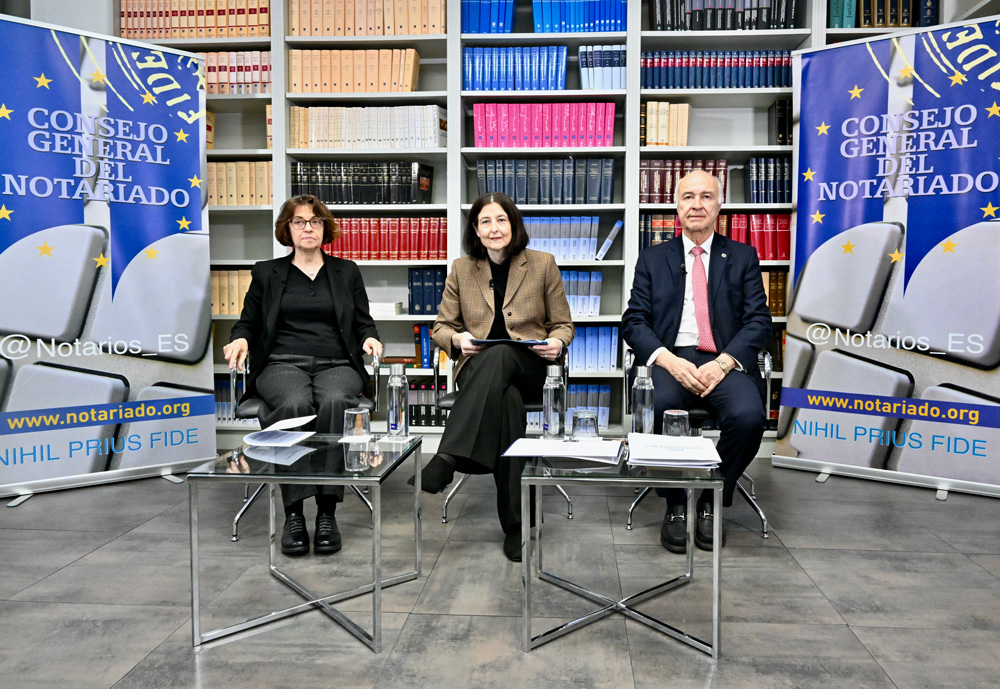
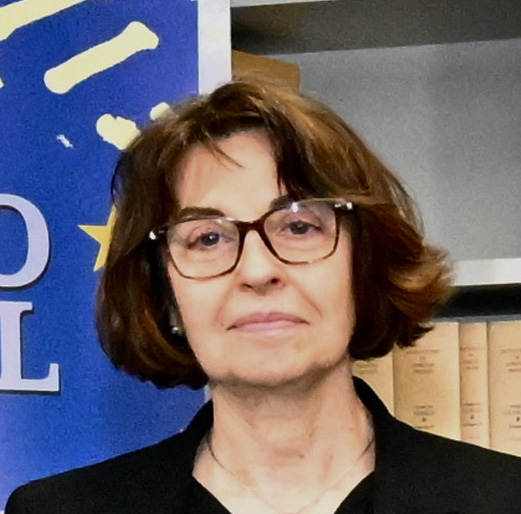
“Fortalecer la seguridad jurídica es una condición indispensable para el desarrollo sostenible, la justicia social y la democracia efectiva”
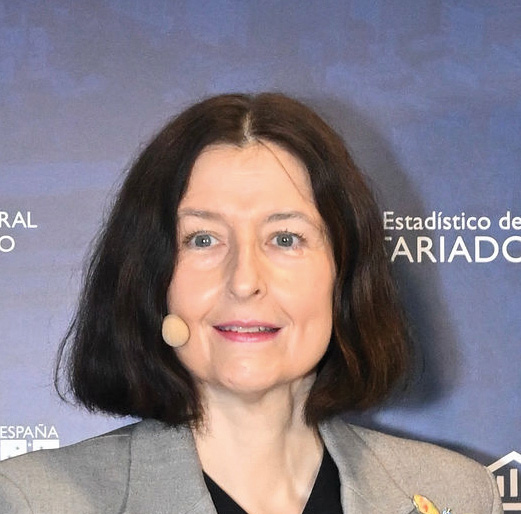
“Desde el Notariado español hemos impulsado la cooperación internacional con Iberfides, que facilita y refuerza la circulación de documentos notariales en Iberoamérica”
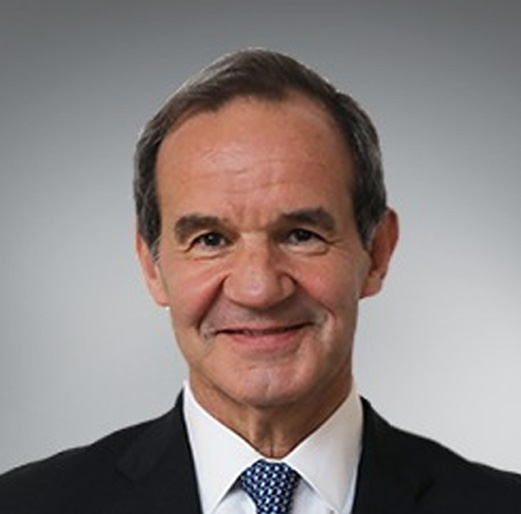
“En estas jornadas profundizaremos sobre la seguridad jurídica. Sin seguridad no hay gobernabilidad ni prosperidad”
La clausura institucional del encuentro corrió a cargo de David Figueroa Márquez, presidente electo de la Unión Internacional del Notariado para el periodo 2026-2028, quien elogió la labor del Notariado español en pro de la cooperación iberoamericana, “hoy más que nunca una necesidad estratégica y una responsabilidad conjunta”. En su discurso, Figueroa destacó la utilidad de estas jornadas y de las aportaciones de los panelistas: “Hemos dialogado sobre seguridad jurídica, inversiones, institucionalidad, cohesión regional y modelos de desarrollo sostenible, y lo hemos hecho con la convicción de que la cooperación no es un concepto abstracto, sino el fundamento que permite dar certeza, estabilidad y rumbo a las decisiones económicas y jurídicas en esta vasta región de Iberoamérica”.
The need to strengthen legal security in the Ibero-American space, establish a regulatory framework that facilitates cooperation and mobilise public and private investment for the financing of sustainable development, were the main conclusions of the IX Conference on the Legal Security of Investment in Ibero-America, which brought together notaries, jurists, sector professionals and representatives of the highest European and Latin American institutions.
The session took as its starting point the «Seville Declaration», a document that includes the agreements reached at the IV International Conference on Financing for Development, held in Seville in July. On the Declaration, Cristina Díaz Fernández-Gil, Ambassador-at-Large for Financing for Development, noted that «it has been an opportunity to renew the commitment to multilateralism and international cooperation, as well as the global consensus on financing for sustainable development, by underlining the need to mobilise all sources of financing: public, private, national and international. “The moment, therefore, to hold these sessions seems very opportune to us.”
SPAIN IS COMMITTED TO IBERO-AMERICAN COOPERATION THAT PROMOTES BALANCED DEVELOPMENT MODELS.
This Declaration, said Díaz, “gives us the political framework to agree on formulas that protect investments and, at the same time, safeguard legitimate public policies. Strengthening legal security is a prerequisite for sustainable development, social justice and effective democracy. Spain is committed to Ibero-American cooperation that foster s development models balanced across the three dimensions of sustainability: environmental, social and economic; and that do not lose sight of the development of people, education, health, social protection and the reduction of discomforts. Only in this way can we ensure that private investment is a real catalyst for welfare and not an end in itself.
Dialogue Forum
Similarly, the President of the General Council of Notaries (CGN), Concepción Pilar Barrio Del Olmo, pointed out that this Declaration has laid the foundations for the XXX Ibero-American Summit of Heads of State and Government, which will be held in Madrid in November 2026. “One of the fundamental points of the Declaration,” explained Barrio Del Olmo, “is the reaffirmation of the Ibero-American Community as a privileged forum for dialogue, political consultation, solidarity and cooperation. This cooperation is of essential value at this time and the Spanish presence is of great importance.
THE SESSION TOOK AS ITS STARTING POINT THE ‘SEVILLE DECLARATION’, A DOCUMENT THAT INCLUDES THE AGREEMENTS REACHED AT THE IV INTERNATIONAL CONFERENCE ON FINANCING FOR DEVELOPMENT
The president of the CGN stressed that «relations between Spain and the Americas have centuries-old roots in many areas: language, culture, law and trade, and in the links between citizens’ lives». It was precisely in this connection that the scribes, today known as notaries, originally played an important role: to learn about the history of Spain and the Americas, one must turn to the extensive source of notary records”. “Society now demands that we reissue those relations with certainty and legal security and, to this end, the Spanish notarial profession has promoted international cooperation with projects such as Iberfides, a platform that facilitates and reinforces the circulation of notarial documents in Ibero-America ”, he explained.
The Ibero-American Secretary General, Andrés Allamand, also referred to the forthcoming Ibero-American Summit of Heads of State: “It is a great opportunity to advance towards more strategic and coordinated planning of Ibero-American cooperation, with new priorities and renewed mechanisms that contribute to the consolidation of the system”. This new strategic focus, he said, «will open up to the new challenges facing Ibero-America: prosperity, which must be achieved through robust growth; governability, which requires correcting the dysfunctionalities of the political system; and security in all its variables, including legal security, which we will examine in depth at this conference. Without security, there is no governance and no prosperity.
Commitments made
In the first round table of the session, the director of the Seville Conference’s Group of Independent Experts, José Antonio Ocampo, analysed the commitments made in the Declaration and the steps for its implementation: «It sets out ambitious goals and very important advances in financing for development, strengthening domestic public resources, fiscal governance and tax cooperation; it also makes somewhat weaker proposals on international monetary cooperation and debt management, as well as the difficulties arising from the absence of US support”.
Ocampo shared some key elements of the Seville commitments, among which he highlighted: “Combating illicit financial flows, with the effective implementation of the UN Convention against Corruption and international cooperation for asset recovery; the development of asset registries, with information on the beneficial owners and exchange of information between them; or improving the governance of institutions and increasing the voice and representation of developing countries”.
For his part, Gabriel Mato, President of the Euro-Latin American Parliamentary Assembly, emphasised the two-way nature of relations between Spain and Ibero-America. “More and more Latin American companies are investing in our country and actively participating in the European economy. Latin America offers Europe a growing market with more than 600 million consumers and Europe offers Latin America technology, financing, very high environmental and social standards and a sustainable development model,» he said.
The MEP referred to the association, free-trade and cooperation agreements signed by the EU with numerous Latin American countries; agreements which are “a global benchmark for their balance between economic openness, sustainability and social protection. There are still outstanding issues, but the important thing is that the agenda exists and has the momentum of committed governments, businesses and citizens on both sides of the Atlantic. “We share similar values and a vision of representative democracy, the rule of law, a social market economy and respect for human dignity,” he emphasised.
Business vision
Representatives from the pharmaceutical, banking and philanthropic sectors gave their professional insights in the second panel discussion of the day. Laura Fernández Lord, head of Sustainability, Equity and Inclusion at the BBVA Microfinance Foundation, highlighted the role of the private sector as «a catalyst for sustainable development, inclusive policies for entrepreneurship and access to finance in an increasingly complex environment». Fernández Lord stressed the importance of complementing access to finance with training and technology, especially for vulnerable groups, and focused on SMEs: «Small business finance needs to be improved. “They represent 99% of the business fabric of Iberoamerica, generate 60% of employment and 25% of the region’s GDP”.
Along the same lines, Jorge Cattaneo – director general of Ayuda en Acción – specified that the difficulties faced by SMEs stem from the ”lack of legal certainty, the different regulatory frameworks and other associated risks”; he defended international cooperation as ”an instrument that generates social inclusion”; and he pointed out the need to ”make investments that focus on the social inclusion of youth”.
REPRESENTATIVES FROM THE PHARMACEUTICAL, BANKING AND PHILANTHROPIC SECTORS GAVE THEIR PROFESSIONAL INSIGHTS IN THE SECOND PANEL DISCUSSION OF THE DAY.
We see the European agenda as an opportunity,» he continued. In Spain we have 300 billion euros of investment and another 145 billion planned by financial institutions. Spanish cooperation is ready: it has the funds, the legislative framework and a tailored structure”. He also referred to the new cooperation formulas, «more complex contracts and agreements, which integrate different instruments that need to manage soft loans with guarantees, with philanthropic activity, and with grants, etc.». And he advocated finding ways to speed up and facilitate the process: «All this will not be possible without private investment.
Emili Esteve, director of technical affairs at Farmaindustria, highlighted legal certainty as a substantial element, especially for the pharmaceutical sector: “The EU and the US have protective systems in place to ensure that the investments of companies will be able to obtain a return”. He also emphasised the EU’s efforts « to further strengthen these relationships » and addressed the regulatory challenge of medicines approval procedures: “Europe has established a single assessment and authorisation system. The absence of this system in Iberoamérica makes the process very difficult. Having a system like the European one would be a solution for the investor.
At the end of the session, the technical advisor of the Directorate for Cooperation with Latin America and the Caribbean of the Spanish Agency for Cooperation and Development, Diego Spottorno, spoke: «Spanish cooperation is experiencing a moment of full commitment to Ibero-America, not only from the budgetary point of view, but also from the legislative point of view, with the new Cooperation Law,» he remarked.
The conference was organised by the General Council of Notaries, in collaboration with the International Union of Notaries (UINL) and the American Notarial Academy of the Commission on American Affairs (CAAm) of the UINL, under the direction of Alfonso Cavallé, Dean of the Notarial Association of the Canary Islands and delegate of the General Council of Notaries for America; and was coordinated and moderated by Ramón Casilda, President of the Association of Multilatin Companies in Spain and member of the University Institute for Research in Latin American Studies.
Enrique Gil Botero, Secretary General of the Conference of Ministers of Justice of the Ibero-American Countries (COMJIB), pointed out that “ cooperation is not an aspiration, but an institutional imperative and an economic necessity that we are implementing through three pillars: “IberRed, IBER@ and legal certainty”. On IberRed (Ibero-American Network for International Legal Cooperation), he pointed out that it is «a permanent structure, with purviews, procedures and resources dedicated to transnational cooperation, which connects the Ministries of Justice, the Public Prosecutor’s Office and the judicial powers of the 22 Ibero-American countries, benefiting over 500 million people».
Secondly, he highlighted the value of the IBER@ platform, developed by the Spanish Notaries’ Technological Centre – in coordination with experts from different countries – as «a digital ecosystem of secure and encrypted communication» that has allowed «significant improvements with the streamlining of procedures, the reduction of administrative costs and greater operational reliability».
Finally, reference was made to legal certainty as a strategic area of work and one of the great challenges in Ibero-America: «Spanish businessmen invest 143 billion euros annually in the Region, which represents 43% of Spain’s foreign investment. However, this figure could be significantly higher if we had more robust legal certainty. He called for legal certainty based on «the impartiality of the judiciary, the digitisation of the administration of justice, the harmonisation of regulatory frameworks and the prevention of money laundering and financial crime». He pointed out that in Spain we have the Centralised Money Laundering Prevention Body (OCP), a model through which notaries identify and report suspicious transactions.
‘Strengthening legal certainty is a prerequisite for sustainable development, social justice and effective democracy”
"The Spanish notarial profession has promoted international cooperation with Iberfides, which facilitates and reinforces the circulation of notarial documents in Ibero-America"
“In these sessions, we will delve deeper into legal certainty. Without security there is no governance and no prosperity”
The institutional closing ceremony of the meeting was led by David Figueroa Márquez, president-elect of the International Union of Notaries for the period 2026-2028, who praised the work of Spanish notaries in support of Ibero-American cooperation, «today more than ever a strategic necessity and a joint responsibility». In his speech, Figueroa highlighted the usefulness of these conferences and the contributions of the panellists: “We have discussed legal certainty, investment, institutionality, regional cohesion and models of sustainable development, and we have done so with the conviction that cooperation is not an abstract concept, but the basis for certainty, stability and direction in economic and legal decisions in this vast region of Iberoamérica”.
Déjanos tu email y recibirás un correo cuando publiquemos el siguiente número de la revista.