Oro es lo que oro vale

ALDEA GLOBAL

Las distintas crisis económicas y geopolíticas de los últimos sesenta años han influido en el precio del oro.

Oro es lo que oro vale

Melchor del Valle

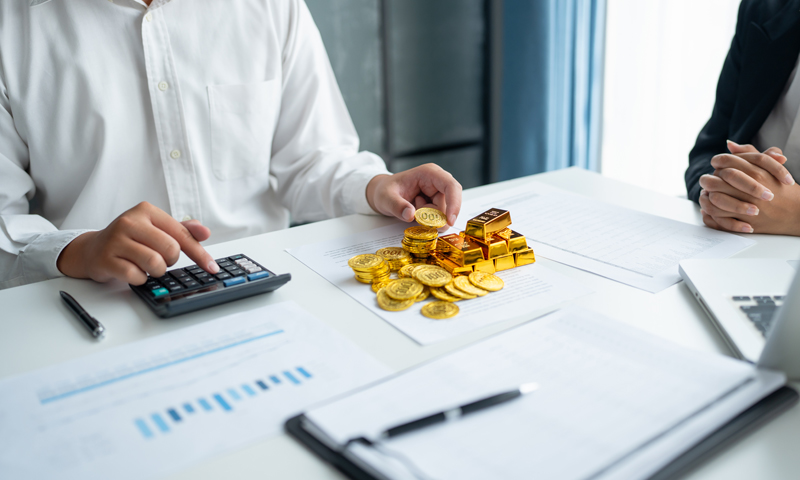
Si se trata de resguardar nuestros ahorros, la recomendación es recurrir a “valores refugio”, porque lo de meterlos bajo el colchón o enterrarlos en una vasija al pie de la higuera es una práctica nada recomendable. Y el valor que tradicionalmente viene siendo el asidero al que encomendarse cuando vienen mal dadas es el oro. Con luces, pero también con sombras, como que su cotización es especulativa y no es un dinero que dé intereses. Aun así, llegados a la mitad de 2026, en el mundo económico y financiero son mayoría quienes creen que sigue siendo lo más seguro, como reza el dicho que nos sirve de titular. Cabe advertir, eso sí, que cualquier opinión puede quedar desactualizada en minutos si las circunstancias geopolíticas, geoestratégicas y, sobre todo, bélicas cambian bruscamente.

El oro, solo por recordarlo, va más allá de sus usos en joyería, de los que todos tenemos referencias, o de su historia en la fabricación de monedas. Es un metal básico en tecnología porque tiene un alto grado de conductividad y de resistencia a la corrosión, así que es de vital importancia para equipos desde teléfonos móviles y ordenadores, hasta naves espaciales. Y también es indispensable en medicina por su biocompatibilidad, además de usarse en nanotecnología para el diagnóstico de enfermedades. Pero el oro, una pena, no se puede fabricar y es cada vez más escaso, aunque ya hay planes para buscarlo en planetas cercanos. Es esa escasez, precisamente, la que le confiere su valor económico.


DIEZ DÍAS ANTES DE LA INVASIÓN DE UCRANIA, SUCEDIDA EL 28 DE FEBRERO DE 2024, EL ORO SUPERO LOS 2.000 $/OZ, VALOR DEL QUE NO HA VUELTO A APEARSE


Oro y crisis

Una manera de visualizar cómo el oro ha concitado el interés de los inversores cuando vienen mal dadas es repasar nuestra historia económica reciente, entendiendo por tal los últimos sesenta años. Y permítannos que utilicemos unidades internacionales para las comparativas, porque las conversiones a moneda actual serían irreales. Dichas unidades son el dólar por onza, siendo ésta la “apellidada” troy, cuyo peso equivale a 31,1035 gramos (importante no confundirla con la onza estándar o avoirdupois, que pesa 28,35 gramos).

Hechas las aclaraciones, recordemos que durante la ‘crisis del petróleo de los 70’, cuando los países productores (la OPEC) establecieron un embargo internacional de ese otro oro, el negro, el dorado paso de los 35 dólares la onza a los 200. Al final de esa década, con la ‘crisis de los rehenes’, tras la toma por un grupo de estudiantes islámicos de la embajada de EE.UU. en Teherán, la onza alcanzó los 850 dólares. Llegados al siglo XXI, con la caída de Lehman Brothers y la llegada de la ‘crisis financiera de 2008’, el valor oro creció exponencialmente hasta los 1.900 dólares la onza. Ese valor, por encima de los 2.000 dólares, se superó a causa de la ‘crisis de la pandemia del COVID-19’.


EL ORO ES INDISPENSABLE EN MEDICINA POR SU BIOCOMPATIBILIDAD, ADEMÁS DE USARSE EN NANOTECNOLOGÍA PARA EL DIAGNÓSTICO DE ENFERMEDADES


Valor actual

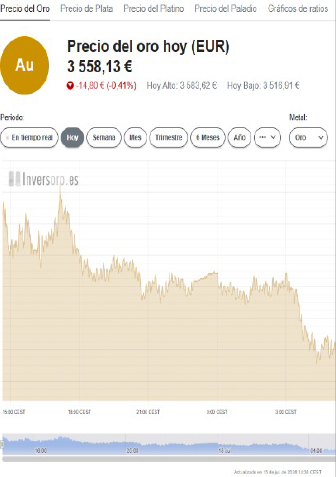
Webs como Inversoro.es ofrecen la posibilidad de ver gráficamente la evolución del precio del oro según el periodo que seleccionemos. En nuestro caso, hemos buscado la cotización en los últimos cinco años, partiendo de un valor de 1.832 dólares la onza a mitad de julio de 2021. El precio se fue manteniendo, con una bajada puntual en septiembre de 2022 hasta los 1.634 dólares, seguramente a causa de la política monetaria de la Reserva Federal de EE.UU. (FED). Desde ahí, fue recuperándose paulatinamente hasta diez días antes de la invasión de Ucrania, sucedida el 28 de febrero de 2024, en que supero los 2.000 dólares, valor del que no ha vuelto a apearse. Pasó de los 2.500 en agosto de 2024 y de los 3.000 en marzo de 2025. La escalada se debe, básicamente, a las políticas arancelarias del actual inquilino de la Casa Blanca y a sus vaivenes geopolíticos.

Así llegamos al 21 de agosto de 2025, en que la cotización estaba en 3.338 dólares, en un momento en que se da una combinación de turbulencias geopolíticas (Ucrania, amenazas sobre Groenlandia, Gaza, Irán), la incertidumbre por la imposición de nuevos aranceles comerciales y las expectativas del mercado de una pronta bajada de los tipos de interés por parte de la FED. Recordemos que hablamos de un valor refugio… Desde ahí, escalada vertiginosa hasta visualizar todo un ‘Everest’ en la gráfica de 5.635 dólares el pasado 29 de enero, intuyendo lo que vendría un mes más tarde con el ataque a Irán. A partir de ese momento, altibajos, descensos leves y tendencia a la baja a partir de mayo, pero siempre con valores en torno a los 4.000 dólares la onza.


SEGÚN WORLD GOLD COUNCIL, “LAS RESERVAS MUNDIALES DE ORO DE LOS BANCOS CENTRALES AUMENTARÁN EN LOS PRÓXIMOS DOCE MESES”


¿Refugio dorado?

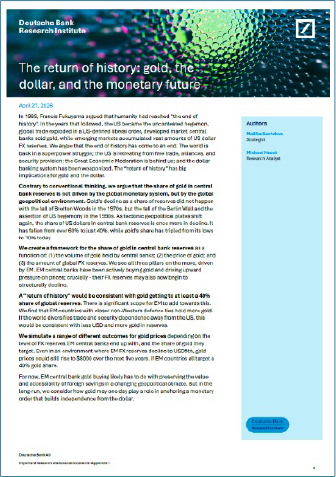
Ya saben, en fin, que el dinero es miedoso e intenta ir “a lo seguro” o, dicho de otra manera, a lo que se sabe que va bien. Este debe ser el criterio de los bancos centrales. Según la última encuesta del World Gold Council, publicada a mediados de junio de 2026 con datos de 76 bancos centrales, estos “han acumulado un promedio de 1.000 toneladas de oro en los últimos cuatro años, un aumento significativo con respecto al promedio de 500 toneladas de la década anterior”. Y añaden: “La gran mayoría de los encuestados, un 89%, cree que las reservas mundiales de oro de los bancos centrales aumentarán en los próximos doce meses”. Es decir: para estas entidades, el oro sí es un valor refugio, dado que están dispuestas a seguir comprando. Un dato más: el Deutsche Bank Research Institute, en el estudio The return of history: gold, the dollar, and the monetary future (abril de 2026), concluye que China, Rusia, la India y Turquía están aumentando sus reservas áureas; y en sus proyecciones aventura un valor de 8.000 dólares la onza en menos de un lustro.


CASI LA MITAD DE LOS GRANDES TENEDORES GUARDAN EL ORO EN SU PROPIO TERRITORIO Y PARA LOS QUE LO DEPOSITAN EN OTRO “LUGAR SEGURO”, EL BANCO DE INGLATERRA ES EL PRINCIPAL CUSTODIO


Sin embargo, no están tan seguros de la calidad del oro como refugio economistas como Frank Schallenberger, experto en investigación macroeconómica del Landesbank Baden-Württemberg, LBBW (los landersbank son un grupo de bancos gestores de las cajas de ahorro alemanas), quien en declaraciones a la emisora de radio pública Deutsche Welle ha explicado que no es buena idea mantener la inversión en oro a gran escala; si acaso entre un cinco y un diez por ciento de la cartera “como medida de protección”. Traducido al román paladino, el oro es valor refugio, pero sólo un poco. Esto, aunque el propio Schallenberger, en sus proyecciones para 2026, dijera que “la demanda de oro seguirá siendo alta en 2026, ya que la incertidumbre política mantendrá el atractivo de este activo refugio”. Y eso que aún no se había producido la escalada de EE.UU. en Irán cuando escribió esas predicciones.

Hablando de incertidumbres

En el informe que antes citábamos del World Gold Council, se considera que el precio del oro al final del primer semestre de 2026, esos 4.000 dólares la onza troy, va a mantenerse con una variación de +/-5% durante el segundo semestre, pero, ojo, si las circunstancias no dan un vuelco drástico. Claro que la estabilidad es cosa complicada, añadimos de nuestra cosecha, con el panorama que tenemos en Ormuz. La posibilidad de un deterioro económico nos acecha cual espada de Damocles y este sería el principal factor de influencia en la demanda y el precio del oro, sobre todo porque estaría condicionando las políticas de los tipos de interés de los principales bancos centrales.


WEBS COMO INVERSORO.ES OFRECEN LA POSIBILIDAD DE VER GRÁFICAMENTE LA EVOLUCIÓN DEL PRECIO DEL ORO SEGÚN EL PERIODO QUE SELECCIONEMOS


Como ya comentamos, son los bancos centrales los mayores compradores de oro. Y si alguien se pregunta cómo se aseguran de que a su dorado metal no le va a pasar nada o, dicho de otra forma, que estará disponible donde lo hayan guardado, aquí va otro dato más de la encuesta: casi la mitad de estos grandes tenedores guardan el oro en su propio territorio y para los que lo depositan en otro “lugar seguro”, el Banco de Inglaterra es el principal custodio del metal con el 57% de las preferencias, el Banco Internacional de Pagos (el llamado “banco de los bancos centrales”) es utilizado por el 16% y el Banco Nacional de Suiza ya sólo es preferido solo por el 6% de las instituciones. Detalle: EE.UU., con todo su famoso Fort Knox, ha dejado de ser el lugar favorito de los bancos para salvaguardar su oro. Y como “no es oro todo lo que reluce” –nos lo ha puesto fácil el dicho, cierto–, un apunte final: tres cuartas partes de los bancos centrales prevén reducir sus reservas de dólares en los próximos años. Buena noticia para quienes creen que la dependencia financiera del país americano y su moneda no es actualmente un buen negocio.

Los que más oro acumulan

El listado de países e instituciones con más reservas de oro, con datos del primer trimestre de 2026, lo encabezan Estados Unidos, con 8.133 toneladas; Alemania, con 3.351 toneladas (los alemanes han repatriado el oro que tenían depositado en EE.UU.); Italia, con 2.452 toneladas; Francia, con 2.437 toneladas; China, con 2.313 toneladas; Rusia con 2.305 toneladas y Suiza, con 1.040 toneladas.

España tiene unas reservas de oro de unas 282 toneladas (número 20 en el listado), un 46% menos que en 2004, que permanecen estables desde 2007. Esas 282 Tm equivalen a 9.066.510,77 onzas troy. Si calculamos su valor al final de primer semestre de 2026, a unos 3.500 euros la onza, las reservas suponen 31.733 millones de euros.

La escalada del precio del oro se debe, básicamente, a las políticas arancelarias del actual inquilino de la Casa Blanca y a sus vaivenes geopolíticos.

El precio del oro en el primer semestre 2026

El último día de junio de 2026, el precio del oro rondaba su cotización más baja, en torno a los 3.500 euros la onza troy. Su valor máximo fue el 29 de enero, con 4.652,5 euros la onza. Esto da una idea de las fluctuaciones del precio del oro según los vaivenes macroeconómicos y geoestratégicos.
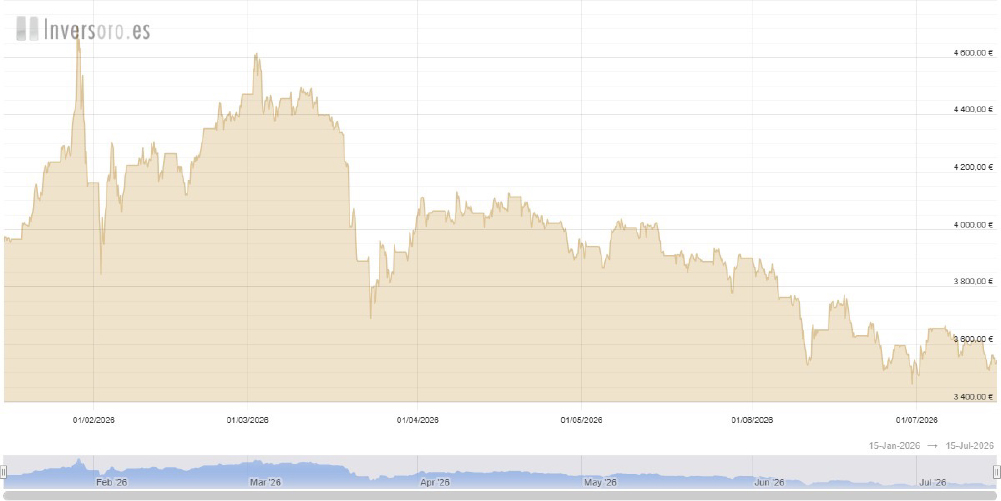
Fuente y gráfico: Inversoro.es
El oro va más allá de sus usos en joyería, o de su historia en la fabricación de monedas. Es un metal básico en tecnología.

Para saber más

The return of history: gold, the dollar, and the monetary future.

Deutsche Bank Research Institute (abril de 2026).
Cotización del oro en tiempo real.

Inversoro.es
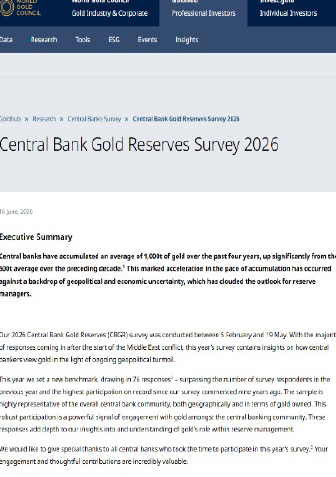
Central Bank Gold Reserves Survey 2026.

World Gold Council (junio de 2026).

GLOBAL VILLAGE

The various economic and geopolitical crises of the last sixty years have influenced the price of gold.

GOLD IS WORTH ITS WEIGHT IN GOLD

Melchor del Valle

When it comes to safeguarding our savings, the advice is to turn to ‘safe-haven assets’, because stashing them under the mattress or burying them in a pot at the foot of the fig tree is a practice that is by no means advisable. And the resource that has traditionally been the material to rely on when things go wrong is gold. It has its pros and cons – for instance, its price is subject to speculation and it doesn’t earn interest. Even so, by mid-2026, the majority in economic and financial circles believe that it remains the safest option, as the saying that serves as our headline puts it. It should be noted, however, that any opinion may become outdated within minutes if geopolitical, geostrategic and, above all, military circumstances change abruptly.

Gold, just to remind you, has uses that go beyond jewellery – which we are all familiar with – or its history in coin-making. It is a key metal in technology because it has a high degree of conductivity and corrosion resistance, making it vitally important for equipment ranging from mobile phones and computers to spacecraft. It is also indispensable in medicine due to its biocompatibility. It is also used in nanotechnology for the diagnosis of diseases. But gold, unfortunately, cannot be manufactured and is becoming increasingly scarce, although there are already plans to search for it on nearby planets. It is precisely this scarcity that gives it its economic value.

Gold and the crisis

One way to see how gold has attracted investors’ interest when times are hard is to look back at our recent economic history – by which I mean the last sixty years. And please allow us to use international units for the comparisons, as conversions to current currency would be unrealistic. These units are the dollar per ounce, the so-called ‘troy’ ounce, which weighs 31.1035 grams (it is important not to confuse this with the standard ounce or avoirdupois, which weighs 28.35 grams).


TEN DAYS BEFORE THE INVASION OF UKRAINE, WHICH TOOK PLACE ON 28 FEBRUARY 2024, THE PRICE OF GOLD ROSE ABOVE $2,000 PER OUNCE, A LEVEL IT HAS NOT FALLEN BELOW SINCE


Having clarified these points, let us recall that during the ‘oil crisis of the 1970s’, when the oil-producing countries (OPEC) imposed an international embargo on that other ‘gold’ – black gold – the price of gold rose from 35 dollars an ounce to 200. Towards the end of that decade, during the ‘hostage crisis’ following the seizure of the US embassy in Tehran by a group of Islamic students, the price of an ounce reached $850. By the 21st century, following the collapse of Lehman Brothers and the onset of the ‘2008 financial crisis’, the price of gold rose exponentially to $1,900 an ounce. That figure, which stood at over $2,000, was exceeded as a result of the ‘COVID-19 pandemic crisis’.

Current value

Websites such as Inversoro.es allow you to view a graph showing the trend in the price of gold over the period of your choice. In our case, we have looked at the price over the last five years, taking as our starting point a price of $1,832 per ounce in mid-July 2021. The price remained stable, with a one-off fall in September 2022 to $1,634, most likely due to the US Federal Reserve’s monetary policy. (FED). From then on, it gradually recovered until ten days before the invasion of Ukraine, which took place on 28 February 2024, when it rose above $2,000 – a level it has not fallen below since. It exceeded 2,500 in August 2024 and 3,000 in March 2025. The escalation is essentially due to the tariff policies of the current occupant of the White House and his geopolitical manoeuvring.


GOLD IS INDISPENSABLE IN MEDICINE DUE TO ITS BIOCOMPATIBILITY, AND IS ALSO USED IN NANOTECHNOLOGY FOR THE DIAGNOSIS OF DISEASES


This brings us to 21 August 2025, when the share price stood at $3,338, at a time marked by a combination of geopolitical turmoil (Ukraine, threats regarding Greenland, Gaza, Iran), uncertainty over the imposition of new trade tariffs, and market expectations of an imminent cut in interest rates by the Fed. Let’s remember that we’re talking about a safe-haven asset… From there, it rose vertiginously until it reached an ‘Everest’-like peak of $5,635 on the chart on 29 January, foreshadowing what was to come a month later with the attack on Iran. From that point, there were ups and downs, slight falls and a downward trend from May onwards, but prices always hovered around $4,000 an ounce.


ACCORDING TO THE WORLD GOLD COUNCIL, “GLOBAL CENTRAL BANK GOLD RESERVES ARE SET TO RISE OVER THE NEXT TWELVE MONTHS”


A golden refuge?

As you know, money is timid and tends to play it ‘safe’ – or, to put it another way, to go for what is known to work. This should be the criterion adopted by central banks. According to the latest survey by the World Gold Council, published in mid-June 2026 and based on data from 76 central banks, they “have accumulated an average of 1,000 tonnes of gold over the last four years, a significant increase on the average of 500 tonnes over the previous decade”. And they add: “The vast majority of respondents – 89 per cent – believe that central banks’ global gold reserves will increase over the next twelve months”. In other words: for these institutions, gold is indeed a safe-haven asset, given that they are prepared to continue buying it. One more point: the Deutsche Bank Research Institute, in its study The return of history: gold, the dollar, and the monetary future (April 2026), concludes that China, Russia, India and Turkey are increasing their gold reserves; and in its projections, it forecasts a price of $8,000 per ounce within less than five years.

However, economists such as Frank Schallenberger, an expert in macroeconomic research at Landesbank Baden-Württemberg, LBBW (the Landesbanks are a group of banks that manage German savings banks), who, speaking to the public radio station Deutsche Welle, explained that it is not a good idea to hold large-scale investments in gold; if anything, between five and ten per cent of the portfolio “as a safeguard”. Put simply, gold is a safe-haven asset, but only to a limited extent. This is despite the fact that Schallenberger himself, in his forecasts for 2026, stated that “demand for gold will remain high in 2026, as political uncertainty will maintain the appeal of this safe-haven asset”. And that was even before the US escalation in Iran had taken place when he wrote those predictions.


ALMOST HALF OF THE MAJOR HOLDERS KEEP THEIR GOLD WITHIN THEIR OWN COUNTRY, AND FOR THOSE WHO DEPOSIT IT IN ANOTHER ‘SAFE HAVEN’, THE BANK OF


Speaking of uncertainties

In the report referred to earlier from the World Gold Council, it is estimated that the price of gold at the end of the first half of 2026 – that is, $4,000 per troy ounce – will remain within a range of +/-5 per cent during the second half of the year, but, mind you, that is provided circumstances do not take a drastic turn. Of course, it should be added that stability is a complicated thing, given the situation we have in Hormuz. The prospect of an economic downturn hangs over us like the sword of Damocles, and this would be the main factor influencing demand for and the price of gold, particularly as it would be shaping the interest rate policies of the major central banks.


ENGLAND IS THE MAIN CUSTODIAN.
WEBSITES SUCH AS INVERSORO.ES ALLOW YOU TO VIEW A GRAPH SHOWING THE TREND IN THE PRICE OF GOLD OVER THE PERIOD OF YOUR CHOICE


As we have already mentioned, central banks are the largest buyers of gold. And if anyone is wondering how they ensure that nothing will happen to their precious metal – or, to put it another way, that it will be available wherever they have stored it – here is another finding from the survey: almost half of these major holders store their gold within their own country, and for those who deposit it in another ‘safe haven’, the Bank of England is the main custodian of the metal, accounting for 57 per cent of preferences; the Bank for International Settlements (the so-called ‘bank of central banks’) is used by 16 per cent; and the Swiss National Bank is now preferred by only 6 per cent of institutions. List: The US, with its famous Fort Knox, is no longer the banks’ favourite place to store their gold. And as ‘all that glitters is not gold’ – the saying certainly makes it easy for us – here’s a final point: three-quarters of central banks plan to reduce their dollar reserves in the coming years. Good news for those who believe that financial dependence on the US and its currency is not currently a sound investment.

Those who hoard the most gold

The list of countries and institutions with the largest gold reserves, based on data from the first quarter of 2026, is headed by the United States, with 8,133 tonnes; Germany, with 3,351 tonnes (the Germans have repatriated the gold they had deposited in the US); Italy, with 2,452 tonnes; France, with 2,437 tonnes; China, with 2,313 tonnes; Russia, with 2,305 tonnes; and Switzerland, with 1,040 tonnes.

Spain has gold reserves of around 282 tonnes (ranked 20th on the list), 46 per cent less than in 2004, and these have remained stable since 2007. Those 282 metric tonnes are equivalent to 9,066,510.77 troy ounces. If we calculate their value at the end of the first half of 2026, at around 3,500 euros per ounce, the reserves amount to 31,733 million euros.

The rise in the price of gold is essentially due to the tariff policies of the current occupant of the White House and his geopolitical manoeuvring.

The price of gold in the first half of 2026

On the last day of June 2026, the price of gold was hovering around its lowest level, at around 3,500 euros per troy ounce. It reached its highest level on 29 January, at 4,652.5 euros per ounce. This gives an idea of how the price of gold fluctuates in line with macroeconomic and geostrategic developments.

Source and chart: Inversoro.es
Gold extends beyond its uses in jewellery or its history in coin-making. It is a crucial metal in technology.

Find out more

The Return of History: Gold, the Dollar and the Monetary Future.

Deutsche Bank Research Institute (April 2026).


Real-time gold prices.

Inversoro.es

Central Bank Gold Reserves Survey 2026.

World Gold Council (June 2026).
 

Si te dan a elegir, que sea de oro, por Casimiro García-Abadillo

PROTECCIÓN AL CONSUMIDOR

ALDEA GLOBAL

CASIMIRO GARCÍA-ABADILLO,

director de El Independiente

Nada ha tenido tanta capacidad de excitar la avaricia, la aventura y la imaginación como el oro"

Si te dan a elegir, que sea de oro

Hay gente que piensa que el oro ya no es lo que era. Que la posible subida de tipos de la Reserva Federal elevará el valor del dólar y de los bonos y eso lo depreciará. Puede ser. Dicen que la guerra en Oriente Medio no ha causado la ascensión que solía producir cualquier conflicto bélico en la compra del metal precioso. Pero se olvidan de que en 2025 la onza de oro se había revalorizado un 65%. Y que en enero de este año alcanzó su máximo histórico: 5.595 dólares. Era lógica una corrección a la baja. Entre otras cosas, porque muchos inversores han recogido beneficios.

Casi un bien divino

Los expertos explican que el suelo de su cotización ronda los 4.000 dólares, y que, a partir de ahí, hay que comprar, e incluso apuestan que en 2027 su valor estará en torno a los 4.500 dólares. Los bancos centrales, que son los grandes clientes en el mercado del oro, siguen comprando. Yo me fío de los bancos centrales: sobre todo si coinciden en la compra de oro como reserva.

No creo que algo que se valoraba casi como un bien divino hace más 6.000 años pierda su atractivo de repente. Nada ha tenido tanta capacidad de excitar la avaricia, la aventura y la imaginación como el oro.

La mitología griega hizo del vellocino de oro el motivo del viaje de Jasón y los argonautas en busca de la piel del carnero mágico.

Si no hubiera sido por la atracción del oro muchos conquistadores se hubieran quedado en casa, ya que sólo los más convencidos tenían en su mente adquirir la gloria por aportar nuevos territorios a la Corona o por llevar el cristianismo a civilizaciones paganas con sus espadas. Los tesoros de Atahualpa en Perú y Moctezuma en México no sólo colmaron las aspiraciones de Pizarro y de Hernán Cortés, sino que sirvieron de acicate a otros muchos aventureros que nunca tuvieron ni el valor, ni la inteligencia, ni la suerte, ni la relevancia que alcanzaron los dos grandes conquistadores del siglo XVI.

La “fiebre del oro”

A mediados del siglo XIX, el descubrimiento de unas pepitas en California desató la llamada “fiebre del oro”, que movilizó a más de 300.000 personas en busca de una fortuna que el destino les había negado hasta entonces. ¡Qué cantidad de horas de entretenimiento nos brindó Hollywood con ese argumento!

Durante todo el siglo XIX y hasta el comienzo de la Primera Guerra Mundial, el oro era el contravalor de todas las monedas. Los bancos centrales estaban obligados a canjear el valor en oro de todas las monedas y billetes que emitía. Era lo que se llamó “el patrón oro”. El dólar fue convertible en oro hasta 1971, fecha en la que Richard Nixon puso fin a un modelo que no había previsto ni la inflación galopante ni la deuda pública mastodóntica.

La URSS no quiso pesetas, sino que se llevó el oro del Banco de España a cambio de fusiles escacharrados y tanques en desuso para armar a los incautos republicanos españoles. Stalin no era tonto. ¡Quería el oro y nos vendió chatarra!

Pero la atracción por el metal que ocupa el puesto 79 de la tabla de periódica de los elementos no sólo ha sido asunto de Estado, o motivo de guerras y aventuras. Las abuelas siempre han guardado con mimo unos pendientes, un anillo, tal vez un broche, de oro, como valioso legado para sus nietos.

Hasta las joyas que Zapatero guardaba en la caja fuerte de su despacho estaban elaboradas con oro blanco.

El oro es un activo

Como un piso o las acciones de una compañía eléctrica. Pero el oro, además de poseer un valor de mercado, siempre ha servido para fabricar cosas bellas. Joyas con piedras preciosas incrustadas (volvemos a la caja fuerte de Zapatero), o una simple medallita. ¡Cuantos de nosotros hemos certificado el compromiso matrimonial con una simple alianza de oro!

Aún recuerdo la emoción que sentí cuando, siendo un adolescente, un amigo me mostró un lingote de oro que su padre guardaba celosamente en una caja fuerte. Era pequeño y reluciente y pesaba un kilo. ¡Un kilo de oro! Mi amigo me dijo que valía por lo menos un millón de pesetas -no tenía ni idea de su valor exacto, pero le pareció que la equivalencia era perfecta-, y yo pensé que había tenido la suerte de acariciar con mis manos un millón en oro. De repente, entendí muchas cosas.

En las olimpiadas, el campeón de cualquiera de las competiciones es premiado con una medalla de oro. La plata y el bronce se quedan para los segundos y terceros puestos. El oro es también en el deporte el símbolo del máximo que se puede alcanzar, el premio al triunfo.

Puede que el precio del oro suba o baje, porque haya gente que especule con su valor o que porque busquen refugio en él cuando vienen mal dadas. Lo que está claro es que, en un mundo tan cambiante, tan dado a crear expectativas sobre cosas incomprensibles, tan poco fiables, el oro es como ese puerto seguro al que deseamos arribar en plena tormenta.

Por eso, si alguna vez les ofrecen algún regalo, mejor que sea de oro.

ALDEA GLOBAL

CASIMIRO GARCÍA-ABADILLO,

director de El Independiente

Nothing has had such a capacity to excite greed, adventure, and imagination as gold"

If you’ve got a choice, make sure it’s gold

Some people think that gold isn’t what it used to be. That a possible interest rate rise by the Federal Reserve will push up the value of the dollar and bonds, and will cause it to depreciate. Perhaps. They say that the war in the Middle East has not caused the surge in the purchase of precious metals that most armed conflicts used to bring about. But they forget that by 2025, the price of an ounce of gold had risen by 65 per cent. And in January this year, it reached an all-time high: $5,595. A downward correction was to be expected. Among other things, because many investors have made profits.

Almost a divine gift

Experts explain that the price has bottomed out at around $4,000, and that, from that point onwards, it is time to buy; they even predict that by 2027 its value will be around $4,500. Central banks, which are the major buyers in the gold market, are continuing to buy. I trust central banks: especially if they are all buying gold as a reserve.

I don’t think that something that was regarded almost as a divine treasure more than 6,000 years ago would suddenly lose its appeal. Nothing has ever stirred up greed, a thirst for adventure and the imagination quite like gold.

Greek mythology made the Golden Fleece the reason for Jason and the Argonauts’ journey in search of the hide of the magical ram.

Had it not been for the lure of gold, many conquistadors would have stayed at home, as only the most determined were set on achieving glory by adding new territories to the Crown or by bringing Christianity to pagan civilisations by the sword. The treasures of Atahualpa in Peru and Moctezuma in Mexico not only fulfilled the ambitions of Pizarro and Hernán Cortés, but also served as an incentive to many other adventurers who never possessed the courage, intelligence, luck, or prominence achieved by the two great conquerors of the 16th century.

The “gold rush”

In the mid-19th century, the discovery of gold nuggets in California sparked the so-called ‘gold rush’, which drew more than 300,000 people in search of a fortune that that fate had denied them until then. Just think of all the hours of entertainment Hollywood gave us with that plot!

Throughout the 19th century and up to the outbreak of the First World War, gold was the standard against which all currencies were valued. Central banks were obliged to redeem the gold value of all the coins and banknotes that they issued. It was what was known as ‘the gold standard’. The dollar was convertible into gold until 1971, when Richard Nixon brought an end to a system that had failed to anticipate either runaway inflation or the colossal public debt.

The USSR did not want pesetas; instead, it took the gold from the Bank of Spain in exchange for battered rifles and disused tanks to arm the unsuspecting Spanish Republicans. Stalin was no fool. He wanted gold, but he sold us scrap metal!

The fascination with the metal that occupies the 79th position in the periodic table of elements has not only been a matter of state, and cause of wars and adventures. Grandmothers have always lovingly kept a pair of earrings, a ring, or perhaps a brooch made of gold as a precious heirloom for their grandchildren.

Even the jewellery that Zapatero kept in the safe in his office was made of white gold.

Gold is an asset

Like a property or shares in an electricity company. But gold, as well as having a market value, has always been used to make beautiful things. Jewellery set with precious stones (back to Zapatero’s safe), or a simple little medallion. How many of us have sealed our marriage vows with a simple gold wedding ring!

I still remember the excitement I felt when, as a teenager, a friend showed me a gold bar that his father kept carefully locked away in a safe. It was small and shiny and weighed one kilo. A kilo of gold! My friend told me that it was worth at least a million pesetas. He had no idea of its exact value, but it struck him as a perfect comparison – and I thought how lucky I had been to hold a million in gold in my hands. Suddenly, I understood a lot of things.

At the Olympic Games, the winners of each event are awarded a gold medal. Silver and bronze go to those in second and third places. In sport, too, gold is the symbol of the highest achievement, the reward for victory.

The price of gold may rise or fall, either because people are speculating on its value or because they are seeking refuge in it when times are tough. What is clear is that, in a world that is so ever-changing, so prone to creating expectations about things that are incomprehensible and so unreliable, gold is like that safe haven we long to reach when a storm rages.

That’s why, if you’re ever offered a gift, it would be best if it were made of gold.

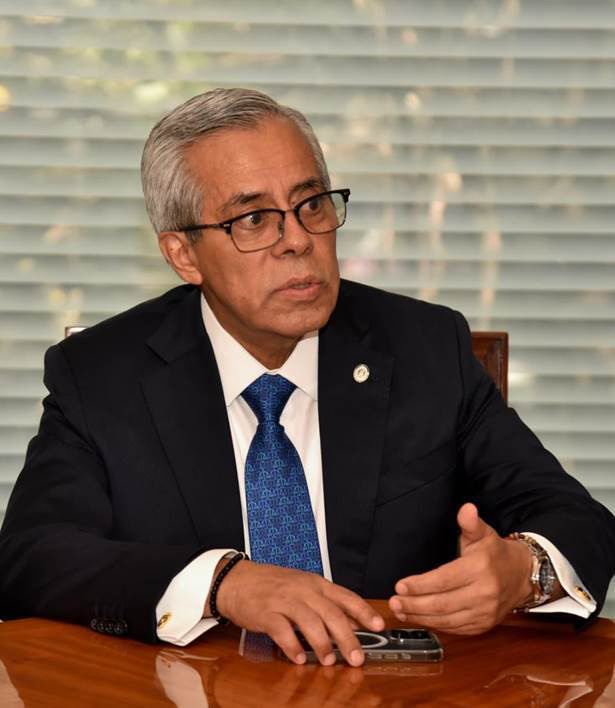
Entrevista a Alfonso Pérez-Cuéllar, presidente de la Unión Iberoamericana de Abogados (UIBA)

ALDEA GLOBAL

El Notariado es un actor fundamental que comparte con la Abogacía valores esenciales”

ALFONSO PÉREZ-CUÉLLAR,

PRESIDENTE DE LA UNIÓN IBEROAMERICANA DE ABOGADOS (UIBA)

Patricia Andújar Maté

Además de jurista, con despacho propio especializado en litigio civil, mercantil y familiar, cuenta con una amplia tradición profesional vinculada al mundo asociativo colegial. El pasado 22 de mayo fue nombrado presidente de la Unión Iberoamericana de Colegios y Agrupaciones de Abogados (UIBA), aunque su relación con esta entidad arrancó en 2017, cuando asumió el cargo de vicepresidente. También ha sido vicepresidente y luego presidente del Consejo General de la Abogacía Mexicana entre 2020 y 2021 y antes, del Ilustre y Nacional Colegio de Abogados de México, en los periodos 2014-2016 y 2016-2018.

-Como recién nombrado presidente de la UIBA, ¿cuáles son sus objetivos al frente de la entidad en estos próximos cuatro años y qué tipo de cambios pretende acometer?

– La abogacía ha enfrentado desafíos muy diversos y la UIBA ha respondido a la altura de las exigencias en cada momento de su historia. Nuestra profesión es un importante motor para sostener las democracias y la paz social. Por esas razones, nuestros objetivos se dividen en dos grandes ejes. El primero es de carácter institucional: fortalecer la UIBA como espacio de coordinación iberoamericana; ampliar nuestra presencia ante los organismos multilaterales regionales e internacionales, y consolidar la representación técnica de la abogacía organizada ante los foros donde se toman decisiones que afectan a la justicia y al ejercicio profesional. El segundo eje va encaminado a defender activamente la independencia, la libertad y la dignidad de la profesión en cada uno de los 22 países que integran nuestra Unión.


“CUANDO UN ABOGADO ES DETENIDO ARBITRARIAMENTE O CUANDO UN COLEGIO SUFRE PRESIONES, LA UIBA TIENE QUE RESPONDER CON VOZ CLARA Y CON ACCIONES CONCRETAS”


-¿Qué papel puede jugar la UIBA, más allá de mantener su faceta negociadora con otros organismos jurídicos o políticos?

– La UIBA debe seguir siendo un interlocutor técnico de la abogacía organizada ante los foros en los que se discuten políticas públicas que inciden en la justicia y en el ejercicio profesional. Hemos iniciado un plan de acción para aumentar nuestra presencia ante organismos multilaterales regionales e internacionales, donde la participación en consultas públicas y foros especializados será permanente, a fin de elaborar posiciones técnicas construidas a partir del consenso de los colegios mismos. Pero la UIBA también seguirá siendo la red de abogacía organizada de 22 países que actuará en los lugares en donde haya abogados amenazados, perseguidos o criminalizados. Cuando un abogado es detenido arbitrariamente o cuando un colegio sufre presiones para subordinarse al poder político, la UIBA tiene que responder con voz clara y con acciones concretas.

-¿Cuáles son las fortalezas o virtudes de esta institución, que este año celebra su 50.º aniversario?

– Quienes me han precedido en la presidencia de la UIBA han movido a los abogados iberoamericanos a que caminemos juntos. Eso es lo que hacemos ahora y es lo que seguiremos haciendo. La UIBA es un espacio de coordinación institucional donde nos comprendemos y dialogamos a partir de una cultura compartida, lo cual nos permite identificar oportunidades y riesgos comunes de forma mucho más ágil, para elaborar proyectos y posiciones conjuntas en defensa de la independencia profesional, de la colegiación y del acceso a la Justicia.

En estos 50 años ha habido procesos muy difíciles en nuestra Región – dictaduras, crisis institucionales, retrocesos democráticos- tiempo durante el cual, la UIBA ha generado las redes de cooperación necesarias para poder responder a los desafíos actuales.


“LA UIBA ESTÁ CONVENCIDA DE QUE LA DEFENSA DE LA ABOGACÍA ES, EN EL FONDO, LA DEFENSA DE LOS DERECHOS DE LOS CIUDADANOS”


-Y en lo relativo a la abogacía: ¿a qué peligros o retos se enfrenta la profesión internacionalmente? ¿Puede ejercerse con libertad en los países de América Latina? ¿De qué manera su ejercicio incomoda al poder y por qué es importante conseguir que los dirigentes de algunos países suscriban el Convenio Internacional de Protección a la Abogacía?

– El comportamiento del Estado frente al ejercicio de nuestra profesión es un indicador relevante de la calidad democrática. Sin embargo, en algunos países identificamos nuevas tensiones regulatorias, intentos de deslegitimación de la colegiación y, en casos más graves, restricciones al ejercicio independiente de la Abogacía.

Hay países en la Región en los que no es posible ejercer con libertad la Abogacía; donde la profesión enfrenta un desmantelamiento sistemático y arbitrario.

La Abogacía incomoda al poder porque es el último obstáculo entre el ciudadano y el Estado cuando éste actúa de manera arbitraria. Por esa razón, el Convenio Internacional de Protección a la Abogacía es un instrumento fundamental que puede ser la base de un estándar mínimo de protección a nivel regional e internacional: un instrumento que establezca con claridad qué condiciones debe garantizar el Estado para que un abogado pueda ejercer con independencia. La UIBA impulsa este convenio convencida de que la defensa de la Abogacía es, en el fondo, la defensa de los derechos de los ciudadanos.

-Precisamente, extender a toda Europa y especialmente a América Latina el Convenio del Consejo de Europa para la Protección de la Profesión de la Abogacía ha sido uno de los temas planteados en la Cumbre de Abogacía Institucional, celebrada los días 24, 25 y 26 de junio en Madrid, y en la que participaron la CCBE europea, la UIBA latinoamericana y la abogacía portuguesa. ¿Cuáles son los principales asuntos que recoge este acuerdo?

– Efectivamente, en las reuniones que sostuvimos en Madrid con la CCBE, gracias a la convocatoria del Consejo General de la Abogacía Española, avanzamos de manera muy significativa en la discusión sobre los contenidos y el alcance de este Convenio. Los principales elementos que recoge son la garantía de independencia del abogado frente al Estado y frente a terceros; la inviolabilidad del secreto profesional y de las comunicaciones con el cliente; el derecho de acceso efectivo a los tribunales y a los expedientes; la prohibición de represalias directas o indirectas contra el abogado por razón de su actividad profesional, y el reconocimiento del papel de los colegios de abogados como instituciones de garantía del Estado de Derecho.

Que la CCBE europea, la UIBA iberoamericana y la abogacía portuguesa hayamos podido sentarnos a trabajar juntos al ser convocados por la Abogacía Española, en sí mismo es un logro histórico.

La unidad de la Abogacía permite defender la libertad, la independencia y la dignidad de la profesión con un frente común. Lo planteamos así convencidos de que la defensa de la Abogacía es la defensa de los derechos de los ciudadanos.


“LA COLABORACIÓN ENTRE EL ABOGADO QUE ASESORA Y EL NOTARIO QUE DA FE ES LA MEJOR GARANTÍA PARA EL CLIENTE”


-¿Cuál era el objetivo de este encuentro de trabajo? ¿Qué otras ideas se han debatido?

– En Madrid debatimos sobre la transformación artificial en el ejercicio profesional y los mecanismos de cooperación para la defensa de abogados en situación de riesgo.

Lo que nos une a la CCBE, a la Abogacía española y a la portuguesa es mucho más que la historia compartida, es la convicción de que la Abogacía organizada puede gestionar agendas de trabajo comunes que tengan impacto real.

-¿Qué papel juega el secreto profesional en la abogacía y por qué es un elemento a blindar?

– El secreto profesional no es un privilegio del abogado, es en realidad un derecho del cliente. Es la condición que hace posible que una persona pueda transmitir información a quién lo va a defender, con la seguridad de que la misma será tratada con el debido secreto.
Lo que hoy observamos con preocupación es que aumenten los requerimientos de información en el marco de normativas de prevención del blanqueo de capitales, hasta acceso a comunicaciones electrónicas que no distinguen entre el abogado y su cliente. También hemos visto casos en los que la vigilancia de despachos o la intervención de comunicaciones se utiliza como mecanismo de presión contra abogados que defienden causas políticamente incómodas.

La UIBA tiene una posición muy firme en este punto, respaldada por sus propios Estatutos, donde la dignidad, la independencia y la libertad del abogado son valores esenciales en la realización de Justicia, y el secreto profesional es la expresión más concreta de esa independencia. Su protección debe estar consagrada no solo en la legislación nacional de cada país, sino en instrumentos internacionales vinculantes. Por eso el convenio que mencionábamos antes es tan importante.


“LA ABOGACÍA INCOMODA AL PODER PORQUE ES EL ÚLTIMO OBSTÁCULO ENTRE EL CIUDADANO Y EL ESTADO CUANDO ÉSTE ACTÚA DE MANERA ARBITRARIA”


-¿De qué manera la comunicación es clave a la hora de ejercer la profesión y cómo la IA puede ser – o está siendo ya- una buena aliada?

– La irrupción de la IA ha modificado no solamente la prestación de los servicios profesionales, sino también los hábitos de quienes los demandan. Algunos usuarios de servicios legales buscan respuestas en modelos de inteligencia artificial evitando la consulta a un profesional del Derecho.

Esto plantea un desafío serio, ya que la IA puede generar respuestas atendibles y otras muy equivocadas al mismo tiempo.

Los abogados que incorporen estas herramientas de manera ética y competente tendrán una ventaja significativa, ya que, sin duda, lograrán una mayor eficiencia en la investigación jurídica, mejor sistematización de jurisprudencias y una redacción de documentos más precisa.

La UIBA está trabajando activamente para que la incorporación de la IA a la práctica jurídica sea una oportunidad para todos los países de la Región y no una amenaza. Eso implica formación, pero también marcos éticos claros y posiciones institucionales ante los reguladores que van a legislar sobre esta materia.

-¿Qué desafío supone la transformación digital del sistema judicial para el ejercicio libre de la Abogacía?

La digitalización de la Justicia tiene un enorme potencial para mejorarla, con expedientes electrónicos, audiencias virtuales, notificaciones digitales, sistemas de consulta en línea… Pero también presenta riesgos reales para el ejercicio libre de la Abogacía que no podemos ignorar.

El primero es la brecha de acceso por razones económicas o tecnológicas. El segundo riesgo está detrás del control de los algoritmos; con qué criterios y en beneficio de quién se programan. Y el tercero, y quizás el más urgente para nuestra Región, es el bloqueo de manera selectiva de sistemas o portales sin notificación oficial, usando precisamente los mecanismos digitales como herramienta de presión contra determinados abogados.

-¿En qué ámbito ve más importante o necesaria la colaboración de los abogados con los notarios?

– El Notariado es un actor fundamental que comparte con la Abogacía valores esenciales, como lo es la seguridad jurídica y la protección de los derechos de las personas. Hay espacios en los que nuestra colaboración es natural y necesaria, especialmente como mecanismo de justicia preventiva.

Un ciudadano que recurre a un notario está ejerciendo derechos que ayudan a reducir conflictos. En ese proceso, la colaboración entre el abogado que asesora y el notario que da fe es la mejor garantía para el cliente y cuando ambos funcionan bien, el sistema jurídico en su conjunto funciona mejor.

En un contexto en el que ambas profesiones enfrentan presiones desreguladoras similares, la unidad de las profesiones jurídicas organizadas es más importante que nunca, por lo que finalmente tenemos una agenda con muchos temas en común.

HUELLA DIGITAL

Alfonso Pérez Cuéllar tiene cuentas en X y en Linkedin

ALDEA GLOBAL

The notarial profession is a key player that shares fundamental values with the legal profession”

ALFONSO PÉREZ-CUÉLLAR,

PRESIDENT OF THE IBERO-AMERICAN UNION OF LAWYERS (UIBA)

Patricia Andújar Maté

As well as being a lawyer with his own practice specialising in civil, commercial and family litigation, he is part of a long-standing professional tradition linked to the world of professional associations. On 22 May, he was appointed chairperson of the Ibero-American Union of Bar Associations and Lawyers’ Organisations (UIBA), although his association with this organisation began in 2017, when he took up the post of deputy chairperson.. He also served as deputy chairperson and subsequently chairperson of the General Council of the Mexican Bar between 2020 and 2021 and, prior to that, of the Illustrious and National Bar Association of Mexico, during the terms 2014–2016 and 2016–2018.

-As the newly appointed chairperson of the UIBA, what are your objectives at the helm of the organisation over the next four years, and what sort of changes do you intend to implement?

– The legal profession has faced a wide range of challenges, and the UIBA has risen to the occasion at every stage of its history. Our profession is a key driving force in upholding democracies and social harmony. For these reasons, our objectives are divided into two main areas. The first is institutional in nature: to strengthen the UIBA as a forum for Ibero-American coordination; to expand our presence within regional and international multilateral organisations; and to consolidate the technical representation of the organised legal profession in forums where decisions affecting the justice system and the practice of law are taken. The second priority is aimed at actively defending the independence, freedom and dignity of the profession in each of the 22 countries that make up our Union.

-What role can the UIBA play, apart from continuing to act as a negotiator with other legal or political bodies?

– The UIBA must continue to act as a technical representative of the organised legal profession in forums where public policies affecting the justice system and the practice of the profession are discussed. We have launched an action plan to strengthen our presence within regional and international multilateral organisations, where we will participate on an ongoing basis in public consultations and specialist forums, with a view to developing technical positions based on a consensus reached by the professional bodies themselves. However, the UIBA will also continue to be the organised network of lawyers from 22 countries that will take action wherever lawyers are threatened, persecuted or criminalised. When a lawyer is arbitrarily detained or when a bar association is pressured to submit to political authority, the UIBA must respond with a clear voice and concrete action.


“WHEN A LAWYER IS ARBITRARILY DETAINED OR WHEN A BAR ASSOCIATION COMES UNDER PRESSURE, THE UIBA MUST RESPOND WITH A CLEAR VOICE AND SPECIFIC ACTION”


-What are the strengths or virtues of this institution, which is celebrating its 50th anniversary this year?

– Those who have been chairperson of the UIBA before me have inspired Ibero-American lawyers to move forward together. That is what we are doing now, and that is what we will continue to do. The UIBA is a forum for institutional coordination where we understand one another and engage in dialogue on the basis of a shared culture; this enables us to identify common opportunities and risks much more swiftly, so that we can develop joint projects and positions in defence of professional independence, professional bodies and access to justice.

Over the past 50 years, our region has faced some very difficult times – dictatorships, institutional crises and setbacks for democracy – during which time the UIBA has built the cooperation networks required in order to respond to today’s challenges.

And as regards the legal profession: what dangers or challenges does the profession face internationally? Can it be practised freely in Latin American countries? In what way does your work make those in power uncomfortable, and why is it important to ensure that the leaders of certain countries sign the Convention for the Protection of the Profession of Lawyer?

The state’s attitude towards the practice of our profession is a key indicator of the quality of democracy. However, in some countries we have identified new regulatory pressures, attempts to undermine the legitimacy of the bar, and, in the most serious cases, restrictions on the independent practice of the legal profession.

There are countries in the region where it is not possible to practise law freely, and where the profession is facing systematic and arbitrary dismantling.

The legal profession makes those in power uncomfortable because it is the final barrier between the citizen and the State when the latter acts arbitrarily. For this reason, the International Convention for the Protection of Lawyers is a key instrument that can serve as the basis for a minimum standard of protection at regional and international level: an instrument that clearly sets out the conditions that must be guaranteed by the State in order to enable a lawyer to practise independently. The UIBA is promoting this agreement in the firm belief that defending the legal profession is, at its core, a defence of citizens’ rights.


“THE UIBA IS CONVINCED THAT DEFENDING THE LEGAL PROFESSION IS, AT ITS HEART, A DEFENCE OF CITIZENS’ RIGHTS”


-Indeed, extending the Council of Europe Convention on the Protection of the Legal Profession to the whole of Europe and, in particular, to Latin America was one of the issues raised at the Summiton Institutional Legal Practice, held on 24, 25 and 26 June in Madrid, and attended by the European CCBE, the Latin American UIBA and members of the Portuguese legal profession. What are the main issues covered by this agreement?

– Indeed, at the meetings we held in Madrid with the CCBE, which were organised by the General Council of the Spanish Bar, we made significant progress in the discussion on the content and scope of this Agreement. The main elements it sets out are the guarantee of a lawyer’s independence from the State and from third parties; the inviolability of professional secrecy and of communications with clients; the right to effective access to courts and case files; the prohibition of direct or indirect reprisals against lawyers on account of their professional activities; and the recognition of the role of bar associations as institutions safeguarding the rule of law.
The fact that the European CCBE [Council of Bars and Law Societies of Europe], the Ibero-American UIBA and the Portuguese legal profession have been able to sit down and work together, having been brought together by the Spanish Bar Association, is in itself a historic achievement.
Unity within the legal profession enables us to defend the freedom, independence and dignity of the profession by presenting a united front. We approach it this way because we are convinced that defending the legal profession means defending citizens’ rights.


“COLLABORATION BETWEEN THE ADVISING NOTARY AND THE CERTIFYING NOTARY IS THE BEST GUARANTEE FOR THE CLIENT”


– What was the aim of this working meeting? What other ideas have been discussed?

– In Madrid, we discussed the impact of artificial intelligence on the legal profession and the mechanisms for cooperation in defending lawyers at risk.

What unites us with the CCBE, the Spanish legal profession and the Portuguese legal profession is much more than a shared history; it is the conviction that an organised legal profession can manage common agendas that have a real impact.

-What role does professional confidentiality play in the legal profession, and why is it something that must be safeguarded?

Legal professional privilege is not a privilege enjoyed by the lawyer; it is, in fact, a right of the client. It is the condition that enables a person to pass on information to their defence counsel, in the certainty that it will be treated with due confidentiality.

What we are observing with concern today is the increasing number of information requirements under anti-money laundering regulations, including access to electronic communications that make no distinction between a lawyer and their client. We have also seen cases in which the surveillance of law firms or the interception of communications is used as a means of exerting pressure on lawyers who defend politically sensitive cases.

The UIBA takes a very firm stance on this point, backed by its own Bylaws, in which the dignity, independence and freedom of lawyers are essential values in the administration of justice, and professional secrecy is the most concrete expression of that independence. Their protection must be enshrined not only in each country’s national legislation, but also in binding international instruments. That is why the agreement we mentioned earlier is so important.


“THE LEGAL PROFESSION MAKES THOSE IN POWER UNCOMFORTABLE BECAUSE IT IS THE FINAL BARRIER BETWEEN THE CITIZEN AND THE STATE WHEN THE LATTER ACTS ARBITRARILY”


-In what way is communication key to practising the profession, and how can AI be – or is it already – a valuable ally?

– The rise of AI has transformed not only the way professional services are delivered, but also the habits of those who use them. Some users of legal services seek answers from artificial intelligence models, rather than consulting a legal professional. This poses a serious challenge, as AI can generate both plausible and highly inaccurate responses at the same time.
Lawyers who incorporate these tools in an ethical and competent manner will have a significant advantage, as they will undoubtedly achieve greater efficiency in legal research, better organisation of case law and more precise drafting of documents.

The UIBA is actively working to ensure that the integration of AI into legal practice represents an opportunity for all countries in the region, rather than a threat. This involves training, but also clear ethical frameworks and institutional positions vis-à-vis the regulators who will be legislating on this matter.

-What challenge does the digital transformation of the judicial system pose for the independent practice of law?

The digitisation of the justice system has enormous potential to improve it, with electronic case files, virtual hearings, digital notifications, and online enquiry systems… But it also presents real risks to the free practice of the legal profession that we cannot ignore.

The first is the access gap caused by economic or technological factors. The second risk lies behind the control of the algorithms; with what criteria and for whose benefit they are programmed. The third, and perhaps the most urgent for our Region, is the selective blocking of systems or portals without official notification, by using precisely digital mechanisms as a tool to exert pressure on certain lawyers.

-In which area do you consider collaboration between lawyers and notaries to be most important or necessary?

The notarial profession plays a vital role and shares essential values with the legal profession, such as legal certainty and the protection of people’s rights. There are areas where our collaboration is both natural and necessary, particularly as a means of preventive justice.

A member of the public who uses the services of a notary is exercising rights that help to reduce disputes. In this process, collaboration between the advising solicitor and the certifying notary is the best safeguard for the client, and when both work well together, the legal system as a whole functions more effectively.

In a context where both professions face similar pressures for deregulation, unity amongst the organised legal professions is more important than ever, which is why we now finally have an agenda with many issues in common.

HUELLA DIGITAL

Alfonso Pérez Cuéllar has accounts on X and Linkedin

El dinero mundial varado (o no) en Ormuz

ALDEA GLOBAL

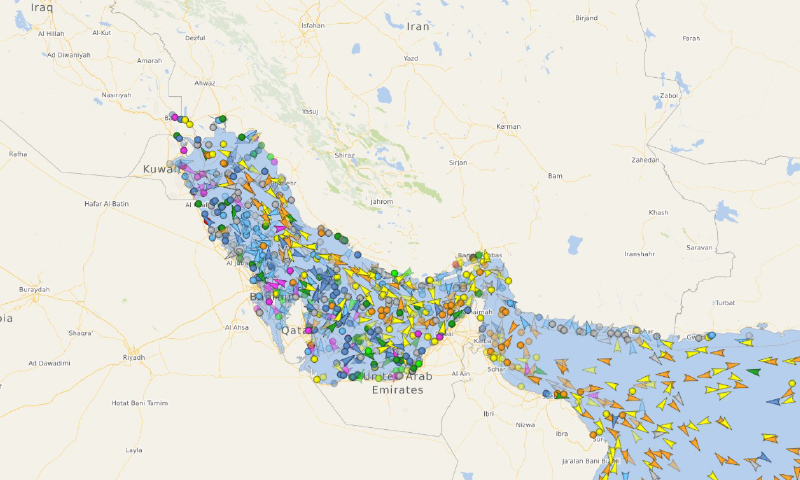
Buques en el Estrecho de Ormuz (mapa de seguimiento de VesselFinder).

El dinero mundial varado (o no) en Ormuz

Melchor del Valle

Todos hemos recordado, desde el pasado mes de abril, la fábula del pastor bromista: ese que alertaba casi a diario sobre el ataque del lobo, para burlarse de sus vecinos, hasta que estos dejaron de tomarle en serio. Algo así viene pasando con el actual inquilino de la Casa Blanca: hasta mediados de junio, treinta y nueve veces ha dicho que ya estaba hecho lo de firmar un acuerdo para poner fin a su conflicto con Irán; a la cuadragésima, parece –pónganse aquí todas las dudas–, ha ido la vencida. Pero a pesar de la carga macroeconómica del mercado del petróleo, el principal “daño colateral” del vuelo de misiles y drones, parece que los otros “pastores” en esta versión del cuento han aprendido a hacer valer sus intereses diga lo que diga el señor con corbata roja en improvisadas comparecencias mediáticas.

El primaveral –por la época, no por el símil poético– intercambio de declaraciones entre EE.UU. e Irán sobre acuerdos de paz, o no, y sobre cierres y bloqueos de Ormuz, o no, ha sido una constante montaña rusa de subidas y bajadas del precio del petróleo, principalmente, y de otras mercancías, que transitan hacia el destino final por el famoso paso entre Irán y Omán en su navegar por el Mar Arábigo. En el momento de escribir estas líneas, el precio de los barriles de referencia a uno y otro lado del Atlántico ha bajado en torno a un 40% con relación a los picos “registrados” durante los sucesivos recrudecimientos del conflicto. Tras cuatro meses de bloqueo, los precios siguen una tendencia a acercarse a los que se marcaban a mediados de febrero (los bombardeos a Irán y las consecuencias en Ormuz comenzaron el 28 de febrero).


LAS PRESIONES ESTÁN IMPULSANDO LA INFLACIÓN MUNDIAL, QUE PODRÍA AUMENTAR AL 4,0% ESTE AÑO. UN INCREMENTO SUSTANCIAL FRENTE AL 3,3% DE 2025” (GBM)


Perspectivas

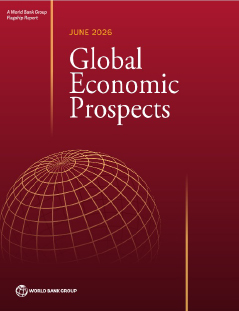
Unos días antes del “acuerdo definitivo”, con los precios del crudo ya en franco descenso, el Grupo Banco Mundial (GBM) presentó su informe Global Economic Prospects, en el que explican cómo “el cierre del estrecho de Ormuz ha causado graves disrupciones en los mercados energéticos, por lo que se prevé que el petróleo crudo Brent alcance un precio promedio de 94 dólares por barril en 2026, un 36% por encima de los niveles de 2025, bajo el supuesto de que las peores perturbaciones se atenúen en julio. Se proyecta que los precios de los fertilizantes aumentarán considerablemente este año, lo que tendrá efectos indirectos en los precios de los alimentos. En conjunto, estas presiones están impulsando la inflación mundial, la que podría aumentar al 4,0% este año, un incremento sustancial frente al 3,3% de 2025”.


LAS NAVIERAS QUIEREN TENER GARANTÍAS DE QUE SUS BARCOS NO VAN A SER ATACADOS O A SUFRIR INCIDENCIAS Y DE QUE LAS ASEGURADORAS BAJARÁN SUS PRIMAS


Sin embargo, y dicho esto a expensas del largo devenir de vaivenes que cabe esperar durante los próximos meses con los “flecos” del alto el fuego, el Brent se situó en la “semana del anuncio” por debajo de 77 dólares. Seguramente, porque las expectativas del memorando señalan que se podría añadir rápidamente suministro al mercado internacional. Esto sucedería si Teherán reanuda toda su capacidad de exportación de petróleo inmediatamente y suaviza las restricciones impuestas al transporte en el estrecho de Ormuz. Por otro lado, las decenas de buques (en torno a un millar, según Windward, unos cuarenta de ellos superpetroleros, para Vortexa) cargados de crudo que están bloqueados en el Golfo Arábigo, una vez libres para atravesar el Estrecho, podrían incrementar el suministro (“Barcos del mundo: ¡arranquen motores! ¡Que fluya el petróleo!”, ya saben…). Con este panorama, quizás sea más oportuno tener en cuenta las previsiones de Goldman Sachs y JPMorgan, que pronostican un Brent en el rango de 56 a 65 dólares para todo 2026; es decir, bastante menos que las proyecciones del GBM.


TENDREMOS QUE CONFIAR EN QUE EL MERCADO SE REGULE CON LA CAÍDA DE DEMANDA COMO CONSECUENCIA DE LOS ALTOS PRECIOS (EL “EFECTO ACORDEÓN”)


Sin prisas

Dando por cierto que la tregua vaya a ser permanente, la recuperación de una situación similar a la que había a principios de 2026 va a tardar en llegar. Hablamos, por recordarlo, del 20% del petróleo y el 17% del gas natural licuado que se consume en el mundo. Por un lado, el renovado flujo de petróleo tiene que reponer las reservas que hemos ido utilizando para compensar el crudo que no llegaba a las destilerías. Recordemos que la Agencia Internacional de la Energía liberó en marzo, ante la situación, 400 millones de barriles de reservas estratégicas. Por otro, hay que ir pensando en el consumo ordinario, que suele ser más elevado en invierno. Hablamos como mínimo, pues, de los 14 millones de barriles día que circulaban antes del conflicto por Ormuz, más un posible aumento de producción por parte de la OPEP, que juega con un remanente de más de dos millones de barriles diarios para estabilizar los precios.

A partir de aquí entran en juego las navieras, que quieren tener garantías de que sus barcos no van a ser atacados o a sufrir incidencias por las acciones de cualquiera de los bandos; y seguridad de que se ha procedido al total desminado del cuello de botella de poco más de treinta kilómetros en el que ahora se centran los problemas. Como dato, la Organización Marítima Internacional (OMI, organismo dependiente de la ONU), en una declaración del 11 de junio, ha manifestado que se produjeron 46 ataques contra cargueros en el Estrecho desde el inicio de la contienda, con catorce víctimas mortales entre la marinería. En este contexto económico hay que añadir a las aseguradoras, que han incrementado en un 300% sus primas para los petroleros que hacen la ruta de Ormuz, lo que supone un sobrecoste en torno al 30% en el precio del barril, sea cual sea la oferta de crudo de que disponen el mercado. En resumen, esa normalidad a la que antes nos referíamos llegará, si no cambia la situación respecto junio de 2026, en los primeros meses de 2027.
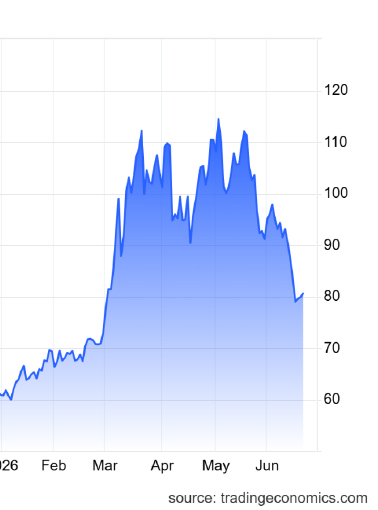


A PESAR DE LOS “PICOS DE SIERRA” DE LA ENERGÍA, LOS PRINCIPALES ÍNDICES BURSÁTILES DEL MUNDO HAN SEGUIDO CRECIENDO EN LO QUE LLEVAMOS DE 2026


Escenarios

Dado que en Escritura Pública no tenemos “bola de cristal”, encomendamos al lector el cálculo de probabilidades económico-financieras según se vaya moviendo ese damero maldito en el que nos ha metido a todos la insensatez, como mínimo, más palmaria. Unos apuntes: si la cosa vuelve a ponerse muy fea, lo que parece poco probable, nos enfrentaríamos una preocupante recesión en Europa y Asía; si el “acuerdo” normaliza la situación previa al enfrentamiento armado, las aseguradoras bajarán precios, se reequilibrará el precio del Barril y crecerá la producción, al menos hasta que se repongan las reservas; y, como escenario con más probabilidades, que la paz no se consolide en primera instancia, de manera que cada fleco a consensuar se convierta en un abro/cierro Ormuz, en el mejor de los casos (en el peor, nuevos vuelos de misiles y drones), con lo que tendremos que confiar en que el mercado se regule con la caída de demanda como consecuencia de los altos precios (el “efecto acordeón”: combustible más caro, subida de la inflación, caída de la demanda).


SI SE BLOQUEA LA ENTRADA Y SALIDA DE MERCANCÍAS EN TAIWÁN, DEJARÍA DE EXPORTARSE MÁS DE UN 90% DE LOS SEMICONDUCTORES UTILIZADOS POR TODAS LA TECNOLÓGICAS DEL MUNDO


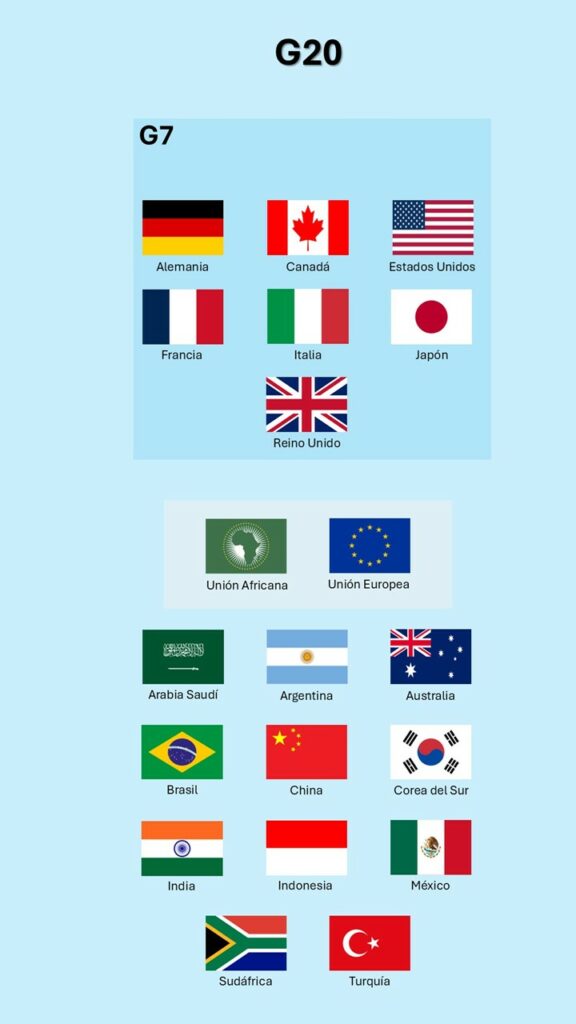
En esa mención al cuento de pastores y lobos, en nuestra entradilla, decíamos que los seres humanos nos acabamos acostumbrando a las “bromas”, en este caso un tanto macabras por la pérdida de vidas humanas directas, la destrucción de “calidad de vida” y mayores problemas para los países más débiles, e intentando que otras cosas compensen las dificultades. Por ejemplo, y a pesar de los “picos de sierra” de la energía, los principales índices bursátiles del mundo han seguido creciendo en lo que llevamos de 2026. Es verdad que no del todo ajenos a los vaivenes del crudo; por ejemplo, el KOSPI de Corea del Sur dio un subidón cuando parecía que el “acuerdo” era, de verdad de la buena, inminente, porque sus tecnológicas (las que “tiran del carro”) dependen del transporte y éste, del combustible. Es, precisamente, todo lo que se relaciona con las industrias tecnológicas lo que está aportando ese equilibrio que la normalidad financiera precisa. Ahí están las grandes inversiones en centros de datos que precisa la inteligencia artificial, la propia AI y los componentes necesarios para que evolucione, las grandes salidas a bolsa, como ya la efectiva del SpaceX de Elon Musk o las previstas de Anthropic y OpenAI, o los movimientos financieros de Google, Amazon o Meta. Y aquí se puede quedar una pregunta en el aire: ¿todo ese capital que va a parar a las tecnológicas no habrá salido, en gran medida, de las ganancias de las energéticas como consecuencia del conflicto? Solo un dato: según Oxfan Intermon, cuarenta y un milmillonarios de la energía de los países del G7 (Alemania, Canadá, Francia, Italia, Japón y el Reino Unido) han aumentado su riqueza en 23.500 millones de dólares desde que comenzó el conflicto armado entre EE.UU., Israel e Irán.

Temores

Si el bloqueo de un paso marítimo como Ormuz nos tiene un tanto alterados, imagine el lector la que se pude venir encima si lo que se obstaculiza es la producción y la exportación de semiconductores de Taiwán. Como de costumbre, un dato: la compañía Taiwan Semiconductor Manufacturing Company Limited (TSMC) fabrica la práctica totalidad de los semiconductores avanzados del mundo para empresas como como AMD, Apple, Marvell, Qualcomm o Nvidia. Y otro dato, al que no parece hayamos dado mucha importancia, como ciertas declaraciones del mandatario chino Xi Jinping, diciendo a sus militares que deberían de estar preparados para el momento en que fuera posible lograr la “ansiada reunificación” con la isla. Si simplemente se desata un tira y afloja y se bloquea la entrada y salida de mercancías en Taiwán, dejaría de exportarse más de un 90% de los semiconductores utilizados por todas la tecnológicas del mundo y a la isla dejarían de llegar productos energéticos y de alimentación (importa un 90% y un 60%, respectivamente, de su consumo). ¿El resultado? Una caída aproximada del 5% del producto interior bruto mundial.

Y, por poner un poco de humor negro, las posibles “burbujas”: la del hombre más rico del mundo, la de la IA, la de las criptomonedas… Ya hay quien pronostica “días de vino y rosas” si llegan a darse todas juntas. Pero sin un ápice de pesimismo, que conste.

Evolución del precio del petróleo (enero-junio 2026).

Los beneficiados por el cierre de Ormuz

La subida del coste de la vida, como consecuencia del conflicto en Oriente Medio, ahoga a unos, pero beneficia –y mucho– a otros. Es el caso de las energéticas, como la europeas British Petroleum, Shell o Total Energies, que han reportado incrementos más que importantes en sus ingresos de los primeros meses de 2026. O de grandes bancos, como los llamados “seis grandes” de EE.UU. (Bank of America, Morgan Stanley, Citigroup, Goldman Sachs, Wells Fargo y JP Morgan), que entre todos ganaron más de 47.000 millones de euros en los tres primeros meses de 2026. O las renovables, como las danesas Vestas y Orsted (eólica), la británica Octopus Energy (fotovoltaica) o la estadounidense NextEra Energy, todas con importantes picos de facturación, a lo que cabe añadir el incremento de la demanda de coches eléctricos y el beneficio para este sector, sobre todo en China. Y, obviamente, la industria armamentística, donde compañías como Lockheed Martin, Boeing y Northrop Grumman han experimentado un crecimiento de su cartera de pedidos absolutamente extraordinario.

Para saber más

Global Economic Prospects. World Banl Group (junio de 2026).
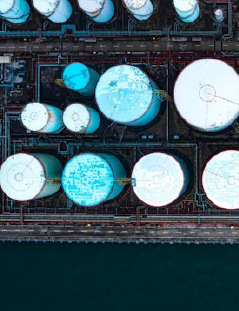
Oil Market Report. Agencia Internacional de la Energía (junio de 2026).
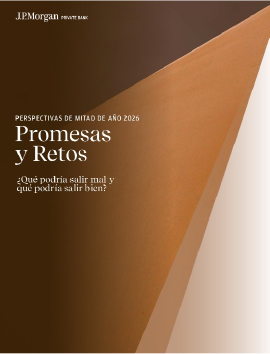
Promesas y retos: ¿qué podría salir mal y qué podría salir bien? JP Morgan (perspectivas de mitad de año de 2026)
GLOBAL VILLAGE

Ships in the Strait of Hormuz (VesselFinder tracking map).

THE WORLD’S MONEY STRANDED (OR NOT) IN THE STRAIT OF HORMUZ

Melchor del Valle

Since last April, we have all been reminded of the fable of the boy who cried wolf: the boy who warned his neighbours almost every day that the wolf was coming, just to make fun of them, until they stopped taking him seriously. Something similar has been happening with the current occupant of the White House: by mid-June, he had said on thirty-nine occasions that an agreement to end his conflict with Iran had already been signed; on the fortieth occasion, it seems – and let’s not rule out any doubts here – he’s finally got it right. But despite the macroeconomic strain on the oil market – the main “collateral damage” caused by the missile and drone strikes – it seems that the other “shepherds” in this version of the story have learnt to stand up for their interests, whatever the man in the red tie may say in his impromptu media appearances.

The spring-like exchange of statements – referring to the season, not the poetic simile – between the U.S . and Iran regarding peace agreements – or the lack thereof – and the closure or unblocking of the Strait of Hormuz – or not – has been a constant rollercoaster of ups and downs, primarily in the price of oil, but also in other commodities, as they make their way to their final destination via the famous strait between Iran and Oman whilst sailing through the Arabian Sea. At the time of writing, the price of benchmark crude oil on both sides of the Atlantic has fallen by around 40% compared with the peaks “recorded” during the successive escalations of the conflict. After four months of the blockade, prices are continuing their trend towards the levels seen in mid-February (the air strikes on Iran and their impact on the Strait of Hormuz began on 28 February).


PRESSURES ARE DRIVING UP GLOBAL INFLATION, WHICH COULD RISE TO 4.0% THIS YEAR. «A SUBSTANTIAL INCREASE COMPARED WITH THE 3.3% FIGURE FOR 2025» (GBM)


Outlook

A few days before the “final agreement”, with crude oil prices already in sharp decline, the World Bank Group (WBG) presented its Global Economic Prospects report, in which it explains how “the closure of the Strait of Hormuz has caused serious disruptions in energy markets, and as a result, Brent crude oil is forecast to reach an average price of $94 per barrel in 2026, 36% above 2025 levels, assuming that the worst disruptions ease by July. Fertiliser prices are forecast to rise significantly this year, which will have knock-on effects on food prices. Taken together, these pressures are driving up global inflation, which could rise to 4.0% this year – a substantial increase on the 3.3% recorded in 2025.”

However, and having said that – whilst acknowledging the long period of volatility that is likely to unfold over the coming months as the “loose ends” of the ceasefire are sorted out – Brent crude stood below $77 during the “week of the announcement”. No doubt because the memorandum’s projections suggest that supply could be rapidly increased on the international market. This would happen if Tehran were to immediately resume its full oil export capacity and ease the restrictions imposed on shipping in the Strait of Hormuz. Meanwhile, the dozens of vessels (around a thousand, according to Windward; some forty of them supertankers, according to Vortexa) laden with crude oil that are currently stranded in the Arabian Gulf could, once free to pass through the Strait, boost supply (“Ships of the world: start your engines! “Let the oil flow!”, as you know…). Against this backdrop, it might be more appropriate to take into account the forecasts from Goldman Sachs and JPMorgan, which predict that Brent will trade in the range of $56 to $65 throughout 2026; that is, considerably lower than the GBM’s projections.


SHIPPING COMPANIES WANT ASSURANCES THAT THEIR VESSELS WILL NOT BE ATTACKED OR SUFFER INCIDENTS, AND THAT INSURERS WILL REDUCE THEIR PREMIUMS


No rush

Assuming that the truce is to be permanent, it will take some time for conditions to return to those that existed in early 2026. To recap, we are talking about 20% of the oil and 17% of the liquefied natural gas consumed worldwide. On the one hand, the renewed flow of oil needs to replenish the reserves we have been using to make up for the crude that was not reaching the refineries. Let us recall that, in response to the situation, the International Energy Agency released 400 million barrels from its strategic reserves in March. On the other hand, we need to start thinking about our day-to-day consumption, which is usually higher in winter. We are therefore talking, at the very least, about the 14 million barrels per day that were passing through the Strait of Hormuz before the conflict, plus a possible increase in production by OPEC, which is drawing on a surplus of more than two million barrels per day to stabilise prices.


WE WILL HAVE TO TRUST THAT THE MARKET WILL SELF-REGULATE AS DEMAND FALLS AS A RESULT OF HIGH PRICES (THE “ACCORDION EFFECT”)


This is where the shipping companies come into the picture; they want assurances that their ships will not be attacked or suffer incidents as a result of actions by either side; and assurance that the bottleneck – stretching just over thirty kilometres, where the problems are currently concentrated – has been completely cleared of mines. For the record, the International Maritime Organisation (IMO, a UN agency), in a statement issued on 11 June, reported that there had been 46 attacks on cargo ships in the Strait since the start of the conflict, resulting in fourteen fatalities amongst the crew. In this economic context, we must also take into account the insurance companies, which have increased their premiums by 300% for oil tankers travelling through the Strait of Hormuz, resulting in an additional cost of around 30% per barrel, regardless of the supply of crude oil available on the market. In short, the return to normality we referred to earlier will take place – provided the situation does not change between now and June 2026 – in the first few months of 2027.


DESPITE THE “ROLLERCOASTER” NATURE OF THE ENERGY MARKET, THE WORLD’S LEADING STOCK MARKET INDICES HAVE CONTINUED TO RISE SO FAR IN 2026


Scenarios

Given that we at Escritura Pública do not have a “crystal ball”, we leave it to the reader to calculate the economic and financial probabilities as that cursed chessboard – into which the most blatant folly, to say the least, has plunged us all – continues to shift. A few notes: if things get really bad again – which seems unlikely – we would face a worrying recession in Europe and Asia; if the “agreement” restores the situation to how it was before the armed conflict, insurers will lower their premiums, the price per barrel will stabilise and production will increase, at least until reserves are replenished; and, as the most likely scenario, peace will not be consolidated initially, so that every minor detail to be agreed upon will result in the Strait of Hormuz being opened and closed, at best (at worst, further missile and drone strikes), in which case we will have to trust that the market will regulate itself through a fall in demand resulting from high prices (the “accordion effect”: more expensive fuel, rising inflation, falling demand).

In that reference to the tale of shepherds and wolves in our introduction, we said that we humans eventually get used to “jokes”, which in this case are somewhat macabre given the direct loss of human life, the destruction of “quality of life” and the greater problems faced by the weakest countries, whilst trying to ensure that other factors compensate for these difficulties. For example, despite the “energy price spikes”, the world’s leading stock market indices have continued to rise so far in 2026. It is true that they are not entirely immune to the ups and downs of the oil market; for example, South Korea’s KOSPI surged when it looked as though the “deal” was, in fact, imminent, because its tech companies (the ones “driving the market”) depend on transport, and transport, in turn, depends on fuel. It is, in effect, everything to do with the technology sectors that is providing the balance required for financial stability. There are the major investments in data centres required by artificial intelligence, AI itself and the components needed for it to evolve; major IPOs, such as the one already completed by Elon Musk’s SpaceX or those planned by Anthropic and OpenAI; and the financial manoeuvres of Google, Amazon and Meta. And this raises a question: might not much of the capital flowing into tech companies have come, to a large extent, from the profits of energy companies as a result of the conflict? Just one statistic: according to Oxfam Intermon, forty-one energy billionaires from the G7 countries (Germany, Canada, France, Italy, Japan and the United Kingdom) have seen their wealth increase by 23,500 million dollars since the armed conflict between the U.S., Israel and Iran began.


IF THE IMPORT AND EXPORT OF GOODS WERE BLOCKED IN TAIWAN, MORE THAN 90% OF THE SEMICONDUCTORS USED BY ALL THE WORLD’S TECHNOLOGY COMPANIES WOULD CEASE TO BE EXPORTED


Fears

If the blockade of a maritime strait such as the Strait of Hormuz has us somewhat concerned, the reader can imagine what might be in store if it were the production and export of semiconductors from Taiwan that were being disrupted. As usual, here’s a fact: Taiwan Semiconductor Manufacturing Company Limited (TSMC) manufactures virtually all of the world’s advanced semiconductors for companies such as AMD, Apple, Marvell, Qualcomm and Nvidia. And another point, which we do not seem to have attached much importance to, is certain statements made by Chinese President Xi Jinping, telling his military that they should be prepared for the moment when it becomes possible to achieve the “long-awaited reunification” with the island. If a simple tug-of-war were to break out and the flow of goods in and out of Taiwan were to be blocked, more than 90% of the semiconductors used by all the world’s technology companies would cease to be exported, and energy and food products would no longer reach the island (it imports 90% and 60%, respectively, of its consumption). The result? An estimated 5% fall in global gross domestic product.

And, to add a touch of dark humour, the potential “bubbles”: that of the world’s richest man, that of AI, that of cryptocurrencies… There are already those predicting “days of wine and roses” if they were all to come together. But let it be clear that I’m not being the slightest bit pessimistic.

Trends in oil prices (January–June 2026).

Those who stand to benefit from the closure of the Strait of Hormuz

The rising cost of living, as a result of the conflict in the Middle East, is a burden for some, but benefits others – and greatly so. This is the case with energy companies, such as the European firms British Petroleum, Shell and Total Energies, which have reported significant increases in their revenue in the first few months of 2026. Or major banks, such as the so-called “Big Six” in the U.S. (Bank of America, Morgan Stanley, Citigroup, Goldman Sachs, Wells Fargo and JP Morgan), which together made more than 47,000 million euros in the first three months of 2026. Or renewable energy companies, such as the Danish firms Vestas and Ørsted (wind power), the British firm Octopus Energy (solar power) and the U.S. firm NextEra Energy, all of which have seen significant spikes in turnover; to this we must add the rise in demand for electric cars and the benefits for this sector, particularly in China. And, of course, the defence industry, where companies such as Lockheed Martin, Boeing and Northrop Grumman have seen absolutely extraordinary growth in their order books.

Para saber más

Global Economic Prospects. World Bank Group (June 2026).

Oil Market Report. International Energy Agency (June 2026).

Promises and challenges: what could go wrong, and what could go right? JP Morgan (mid-year outlook for 2026)

Riesgos dispersos y una crisis sin nombre, por Gonzalo Gómez Bengoechea

PROTECCIÓN AL CONSUMIDOR

ALDEA GLOBAL

GONZALO GÓMEZ BENGOECHEA,

profesor del Departamento de Economía de la Universidad Pontificia Comillas.

Históricamente, las crisis no surgen solo por la existencia de desequilibrios, sino por la interacción inesperada entre ellos"

Riesgos dispersos y una crisis sin nombre

Además de por su manual universitario, el economista Paul Samuelson es conocido por haber acuñado uno de los aforismos económicos más citados: “De las últimas 5 crisis financieras, el mercado ha previsto 10”. Samuelson aludía al desacople existente entre mercados financieros y economía “real” y a la recurrencia e imprevisibilidad de las crisis financieras; siempre aparecen cuando -y donde- casi nadie las espera.

Mapa de riesgos

Si en 2001 fueron las .com, en 2008 las hipotecas subprime y en 2010 Grecia y la Eurozona, hoy se dibujan nuevas vulnerabilidades que podrían desencadenar una nueva crisis financiera, según muchos analistas y expertos. El mapa de riesgos presenta cuatro áreas de inestabilidad para la económica mundial: los mercados de crédito privado, el endeudamiento público americano, el entorno geopolítico global y la sincronización de los mercados financieros a través de la Inteligencia Artificial (IA)

En primer lugar, el private credit es una forma de financiación en la que empresas obtienen préstamos directamente de fondos de inversión u otros prestamistas privados, en lugar de acudir a bancos o de emitir bonos. Fondos como Apollo, Blackstone, KKR o Carlyle sustituyen parcialmente a los bancos, generalmente asumiendo mayores riesgos y facilitando la expansión de sectores emergentes. El mercado global supera actualmente los US$2–3,5 billones de activos gestionados y continúa creciendo con rapidez.

Presenta, sin embargo, dos vulnerabilidades estructurales relevantes. Primero, una elevada exposición a empresas altamente apalancadas y, segundo, una concentración significativa en compañías tecnológicas y de software. Estas características aumentan la sensibilidad del sector a un deterioro económico, subidas de tipos de interés y posibles disrupciones tecnológicas.

A pesar de estos riesgos, existen varias razones para evitar una visión excesivamente alarmista al respecto. El nivel de apalancamiento del sistema financiero es significativamente menor que antes de la crisis de 2008, las conexiones entre el private credit y los bancos son relativamente limitadas y los supervisores llevan años evaluando sus posibles vulnerabilidades.

Deuda pública de EE.UU.

En segundo lugar, la evolución de la deuda pública estadounidense supera ya los 39 billones de dólares, un nivel sin precedentes en tiempos de paz. Ha aumentado desde el 60% del PIB en 2007 hasta cerca del 125% en la actualidad. Este incremento refleja no solo el impacto de la crisis financiera de 2008 y de la pandemia, sino la recurrencia de déficits presupuestarios estructurales elevados, incluso en períodos de crecimiento económico.

La Oficina Presupuestaria del Congreso (CBO, por sus siglas en inglés) prevé que los déficits continúen por encima del 6% del PIB durante la próxima década, impulsados por el envejecimiento, el aumento del gasto en Medicare y los intereses de la deuda. Además, los planes de expansión del gasto público y las dificultades políticas para aprobar ajustes fiscales significativos apuntan a un mayor deterioro de las cuentas públicas. Aunque Estados Unidos mantiene ventajas únicas derivadas del papel del dólar como moneda de reserva global, la trayectoria actual plantea interrogantes sobre la sostenibilidad fiscal a largo plazo y podría incrementar la presión sobre los tipos de interés, la inflación y la estabilidad de los mercados financieros.

En tercer lugar, una escalada de la guerra en Oriente Medio podría provocar nuevas interrupciones en el suministro energético y un aumento significativo de los precios del petróleo y el gas. Esto se traduciría en presiones inflacionistas y elevando los costes de producción para empresas y consumidores y, consecuentemente, un crecimiento económico débil con tipos de interés elevados durante más tiempo. El mecanismo de contagio sería el ya conocido: energía más cara implicaría mayor inflación; una inflación más elevada obligaría a mantener tipos de interés altos; unos costes financieros mayores aumentarían la presión sobre empresas endeudadas, elevando el riesgo de impagos y pérdidas en fondos de crédito privado.

Riesgo adicional

Finalmente, un riesgo adicional, todavía difícil de cuantificar, es el creciente uso de la IA en los mercados financieros. La IA ya se emplea en áreas como la gestión de liquidez y tesorería, la evaluación de riesgos y la respuesta automática a eventos de mercado. Aunque estas herramientas pueden mejorar la eficiencia, también podrían amplificar futuras crisis al favorecer decisiones simultáneas y reacciones extremadamente rápidas por parte de instituciones financieras. Si los distintos algoritmos responden de forma similar ante una perturbación, podrían generarse comportamientos sincronizados que intensifiquen la volatilidad y aceleren las ventas masivas de activos.

En resumen, la próxima crisis probablemente no se parecerá a la anterior. El crédito privado representa una vulnerabilidad real; la deuda pública estadounidense preocupa de forma creciente a los bancos centrales; la geopolítica puede actuar como detonante de nuevas tensiones inflacionistas; y la inteligencia artificial introduce riesgos inéditos por su capacidad de acelerar y sincronizar decisiones financieras. La clave, por tanto, no está en identificar y abordar una única amenaza aislada, sino en comprender cómo riesgos aparentemente independientes pueden terminar conectándose. Históricamente, las crisis no surgen solo por la existencia de desequilibrios, sino por la interacción inesperada entre ellos.

ALDEA GLOBAL

GONZALO GÓMEZ BENGOECHEA,

lecturer in the Department of Economics at Comillas Pontifical University.

Historically, crises do not arise solely because of the existence of imbalances, but because of the unexpected interaction between them."

Widespread risks and a crisis without a name

The economist Paul Samuelson is known not only for his university textbook but also for having coined one of the most frequently quoted economic aphorisms: “The stock market has predicted 10 of the last 5 financial crises”. Samuelson was referring to the disconnection between financial markets and the “real” economy, and to the recurring and unpredictable nature of financial crises; they always occur when – and where – almost no one expects them.

Risk map

If it was the .com in 2001, subprime mortgages in 2008, and Greece and the Eurozone in 2010, today new vulnerabilities are emerging that could trigger a new financial crisis, according to many analysts and experts. The risk map identifies four areas of instability for the global economy: private credit markets, U.S. public debt, the global geopolitical environment, and the synchronisation of financial markets through Artificial Intelligence (AI)

Firstly, private credit is a form of financing in which companies obtain loans directly from investment funds or other private lenders, instead of turning to banks or issuing bonds. Funds such as Apollo, Blackstone, KKR and Carlyle are partly replacing banks, generally by taking on greater risks and facilitating the expansion of emerging sectors. The global market currently has over US$2–3.5 trillion in assets under management and continues to grow rapidly.

It does, however, have two significant structural weaknesses. First, a high exposure to highly leveraged companies and, second, a substantial concentration in technology and software companies. These characteristics make the sector more vulnerable to an economic downturn, interest rate rises and potential technological disruptions.

Despite these risks, there are several reasons not to take an overly alarmist view of the matter. The level of leverage in the financial system is significantly lower than it was before the 2008 crisis; the links between the private credit sector and the banks are relatively limited; and the supervisory authorities have been assessing potential vulnerabilities for years.

U.S. public debt

Secondly, U.S. public debt now stands at over 39 trillion dollars, an unprecedented level in peacetime. It has risen from 60% of GDP in 2007 to around 125% today. This increase reflects not only the impact of the 2008 financial crisis and the pandemic, but also the recurrence of high structural budget deficits, even during periods of economic growth.

The Congressional Budget Office (CBO) forecasts that deficits will remain above 6% of GDP over the next decade, driven by an ageing population, rising Medicare expenditure and interest on the national debt. Furthermore, plans to increase public spending and the political difficulties involved in passing significant fiscal adjustments point to a further deterioration in public finances. Although the United States continues to enjoy unique advantages stemming from the dollar’s role as a global reserve currency, the current trajectory raises questions about long-term fiscal sustainability and could increase pressure on interest rates, inflation and the stability of financial markets.

Thirdly, an escalation of the war in the Middle East could lead to further disruptions to energy supplies and a significant rise in oil and gas prices. This would lead to inflationary pressures and higher production costs for businesses and consumers and, consequently, weak economic growth with interest rates remaining high for longer. The chain of events would be the familiar one: more expensive energy would lead to higher inflation; higher inflation would necessitate high interest rates; and higher financing costs would increase the pressure on indebted companies, raising the risk of defaults and losses in private credit funds.

Additional risk

Finally, an additional risk – one that is still difficult to quantify – is the growing use of AI in financial markets. AI is already being used in areas such as liquidity and cash management, risk assessment and the automated response to market events. Whilst these tools may improve efficiency, they could also exacerbate future crises by encouraging simultaneous decision-making and extremely rapid reactions by financial institutions. If different algorithms respond in a similar way to a disruption, this could lead to synchronised behaviour that exacerbates volatility and accelerates a mass sell-off of assets.

In short, the next crisis is unlikely to be anything like the last one. Private credit poses a real vulnerability; U.S. public debt is a growing concern for central banks; geopolitics could trigger fresh inflationary pressures; and artificial intelligence introduces unprecedented risks due to its ability to accelerate and synchronise financial decisions. The key, therefore, lies not in identifying and addressing a single, isolated threat, but in understanding how seemingly unrelated risks can end up being linked. Historically, crises do not arise solely because of the existence of imbalances, but because of the unexpected interaction between them.

El valor del liderazgo empresarial

ALDEA GLOBAL

Presentación del Observatorio del Valor Directivo de España en el Mundo 2025 (22/01/2026). De izquierda a derecha, Félix Losada, director general de la Fundación Conexión España; José Luis Bonet, presidente de Cámara de España; Mª Luisa Martínez Gistau, directora Comunicación y Relaciones Institucionales de Caixabank; y José Mª Martínez-Priego, CEO de Enigmia.

EL VALOR DEL LIDERAZGO EMPRESARIAL

Redacción

Estamos acostumbrados a valorar a los directivos por la capitalización de sus compañías y por la riqueza que hayan sabido generar. Pero estamos viendo, en los últimos años, cómo distintos estudios y análisis ponen el foco en otras características que, si se dan, ayudan a la compañía a crecer orgánica, estructural y económicamente. Y este es el punto en el que podemos ver, gracias a un observatorio impulsado por Fundación Conexión España, la fuerte contribución de los directivos españoles a la internacionalidad de la economía española y al valor de España en el mundo.

Si hacemos una búsqueda en internet sobre quiénes son los principales o mejores ejecutivos, directores generales, CEO… del mundo, la red nos devuelve cientos de páginas de valoraciones y ránquines. Comparar entre unos y otros es imposible, porque cada publicación o consultora maneja aspectos de diferente índole, incluso sin salirse del campo de la economía y las finanzas.

Nuevos parámetros

Sin embargo, los elaboradores de los ránquines sobre grandes directivos del mundo están restando grados de importancia, año tras año, al parámetro económico y financiero, para incrementar la estimación de los aspectos sociales, medioambientales y de gobernanza, conocidos como aspectos ESG (Environmental, Social and Governance).


LOS RÁNQUINES SE FIJAN CADA VEZ MÁS EN LA CAPACIDAD DE LOS DIRECTIVOS PARA INTERACTUAR E INSPIRAR A SUS EQUIPOS Y SEGUIDORES


Esto ha llevado a la elaboración de ránquines con valoraciones según parámetros difíciles de cuantificar, pero bien vistos en el entorno social, como la iniciativa del Top 100 del Liderazgo Humanista, de la revista Canal CEO, que clasifica a los líderes según “la capacidad de poner a las personas en el centro del negocio”. También podría incluirse  en esta categoría el Ranking de CEOS en LinkedIn, de la consultora Epsilon Technologies, que mide lo que ellos definen como “cuota de atención digital”. En síntesis, se fijan en la capacidad de los directivos para interactuar e inspirar a sus equipos y seguidores, generando una buena reputación entre ellos que repercute después en los resultados de sus compañías.

Talento español en el mundo

Medir intangibles, como los que acabamos de citar, o algo tan difuso como el talento, requiere el análisis de gran cantidad de datos; y aquí ha venido a echar una mano la inteligencia artificial generativa. La consultora Enigmia, por ejemplo, aplicó “tecnologías de inteligencia artificial, análisis semántico y big data para la medición de intangibles” con el fin de cuantificar la valoración de los ejecutivos españoles en el mundo. La iniciativa fue de la Fundación Conexión España, cuyo propósito es impulsar el valor directivo de España en el mundo, fortalecer la presencia global de nuestros profesionales, apoyar su desarrollo, y potenciar a las personas, los productos, las empresas y las creaciones que nacen en nuestro país. Este objetivo le ha llevado a poner en marcha el Observatorio del Valor Directivo de España en el Mundo 2025, que analiza, por vez primera, la percepción que, en el ámbito de la empresa y de los negocios de todo el mundo, se tiene de los directivos de origen español. Según este estudio el talento directivo español combina humanidad y eficacia, estrategia y cultura, y se expresa en un liderazgo ético, cercano y globalmente competente. Los directivos españoles destacan hoy en sectores como la energía, digitalización, infraestructuras, finanzas o sostenibilidad, y su presencia en organismos internacionales refleja una capacidad única para generar consensos y construir puentes.

Si bien Europa se mantiene como el gran resonador natural por proximidad económica y regulatoria, aglutinando el mayor volumen de menciones, es en Latinoamérica donde el liderazgo español encuentra su ecosistema más favorable. La región se consolida como una verdadera reserva de confianza, registrando las tasas de positividad más altas del estudio. Este dato confirma que el vínculo ha evolucionado exitosamente desde la inversión histórica hacia una colaboración moderna, sostenible y altamente valorada por las sociedades locales. Por su parte, la presencia en Norteamérica destaca por su cualificación: alcanza cotas de protagonismo y reconocimiento técnico de élite, situando al directivo español en las esferas de decisión global Finalmente, Asia y el Pacífico, así como Oriente/Medio y África emergen como escenarios de oportunidad técnica focalizada y generalmente reconocida de manera local


EL OBSERVATORIO DE FUNDACIÓN CONEXIÓN ESPAÑA PONE CIFRAS A LA PERCEPCIÓN QUE SE TIENE EN EL MUNDO DE LOS DIRECTIVOS ESPAÑOLES


Los CEO y la IA

Si volviéramos a hablar de unas y otras valoraciones dentro de unos meses, no muchos, es probable que en la ecuación hubiera que incluir la IA. Un artículo de Harvard Business Review (5 Critical Skills Leaders Need in the Age of AI, octubre de 2025) identifica cinco competencias clave para los ejecutivos: trascender los límites organizacionales, rediseñar los flujos de trabajo para integrar IA, orquestar la colaboración en equipo entre humanos y algoritmos, entrenar y desarrollar talento y liderar con el ejemplo a través de la fluidez personal en IA. Y concluye que los líderes que construyan sistemas adaptativos, donde las personas, los datos y los algoritmos evolucionen conjuntamente, crearán las condiciones para una ventaja competitiva sostenida a medida que la tecnología, los mercados y las expectativas cambian.

Los directivos españoles destacan hoy en sectores como la energía, digitalización, infraestructuras, finanzas o sostenibilidad

Percepción del valor directivo español

El estudio de la Fundación Conexión España, titulado Observatorio del Valor Directivo de España en el Mundo 2025, fue realizado por la consultora Enigmia. Para este trabajo se analizaron en 2025 más de 120.000 datos procedentes de medios internacionales y con la vista puesta en 900 directivos españoles con proyección internacional.

Explica la consultora que ese análisis, cualitativo y cuantitativo, se concreta después en un valor, el cual se proyecta en seis parámetros: impacto, competitividad, talento, valor, compromiso y respetabilidad. Concluye Enigmia que “el informe confirma que el Valor Directivo de España en el Mundo se apoya hoy principalmente en la capacidad de ejecución, los resultados y el impacto tangible. Dimensiones como impacto y competitividad concentran más del 60 % del capital reputacional generado”.

El análisis de la huella pública del liderazgo directivo español en el exterior durante el periodo observado arroja un balance de solidez y consistencia estratégica.

Los datos apuntan a un posicionamiento nítido: España exporta eficacia. La narrativa global, validada por la alta intensidad de atributos como “Liderazgo en sectores emergentes” y “Tecnología”, nos sitúa como referentes en la gestión de infraestructuras complejas, transformación financiera y transición energética.

Fuente: Enigmia.

Integrar una política social, medioambiental y de gobernanza también mejora el rendimiento financiero y comercial de las empresas

Rasgos de los directivos españoles

  • Ejercen liderazgo global en empresas, instituciones, organismos multilaterales y ecosistemas de innovación.
  • Están presentes en casi todos los países del mundo, desde los centros financieros de América del Norte y Europa hasta los espacios asiáticos, africanos y latinoamericanos.
  • Representan prácticamente todos los sectores: energía, tecnología, finanzas, infraestructuras, biociencia, etc. y participan de forma relevante en las organizaciones multilaterales y la gestión relacional global.
  • Su impacto no es solo económico: crean valor, atraen inversión, impulsan talento, abren mercados y fortalecen la confianza en España.

Observatorio del Valor Directivo de España en el Mundo 2025

GLOBAL VILLAGE

Presentation of the 2025 Spanish World Managerial Value Observatory (22/01/2026). From left to right, Félix Losada, General Director of Fundación Conexión España; José Luis Bonet, President of Cámara de España [Spanish Chamber of Commerce]; Mª Luisa Martínez Gistau, Director of Communications and Institutional Relations at Caixabank; and José Mª Martínez-Priego, CEO of Enigmia.

THE VALUE OF BUSINESS LEADERSHIP

Editorial staff

We are used to valuing executives by their companies’ market capitalisation and the wealth they have managed to generate. But we are seeing, in recent years, how different studies and analyses focus on other characteristics that, if present, help the company to grow organically, structurally and economically. This is the point at which we can see, due to an observatory established by Fundación Conexión España [Spain Connection Foundation], the significant contribution of Spanish executives to the internationalisation of Spain’s economy and its value in the world.

If we search the internet for who the top executives, general managers and CEOs… in the world are, the web returns hundreds of pages of ratings and rankings. It is impossible to make comparisons between them, because each publication or consulting firm deals with different aspects, even within the field of economics and finance.

New parameters

However, the producers of the world’s top management rankings are, year after year, downgrading the economic and financial parameter, in order to increase the estimation of social, environmental and governance aspects, known as ESG(Environmental, Social and Governance) aspects.


RANKINGS ARE INCREASINGLY LOOKING AT THE ABILITY OF MANAGERS TO INTERACT WITH AND INSPIRE THEIR TEAMS AND FOLLOWERS


This has led to the development of rankings based on parameters that are difficult to quantify, but highly regarded in social contexts, such as the Humanist Leadership Top 100, an initiative by Canal CEO magazine, which ranks leaders according to “the ability to put people at the centre of the business”. This category could also include the LinkedIn CEOS Ranking, from the Epsilon Technologiesconsultancy, which measures what they define as «digital share of attention». In short, they look at the ability of managers to interact with and inspire their teams and followers, and to establish good standing among them, which then has an impact on their companies’ results.

Spanish talent in the world

Measuring intangible factors, such as those mentioned above, or something as diffuse as talent, requires the analysis of large amounts of data; this is where generative artificial intelligence has come in to lend a hand. The consulting firm Enigmia, for example, applied «artificial intelligence technologies, semantic analysis and big data to measure intangibles factors» in order to quantify the valuation of Spanish executives in the world. This was a result of the initiative of Fundación Conexión España, whose purpose is to enhance Spain’s executive profile worldwide, strengthen the global presence of Spanish employees, support their development, and empower the people, products, companies and creations emerging from our country. This objective has led it to establish the 2025 Spanish World Managerial Value Observatorywhich will analyse, for the first time, the perception of Spanish managers in companies and business circles around the worldl. According to this study , Spanish management talent combines humanity and effectiveness, strategy and culture, and is expressed in ethical, approachable and globally competent leadership. Spanish executives today stand out in sectors such as energy, digitalisation, infrastructure, finance and sustainability, and their presence in international organisations reflects a unique capacity to generate consensus and build bridges.

Although Europe remains the great natural resonator due to its economic and regulatory proximity, with the highest volume of mentions, it is in Latin America where Spanish leadership finds its most favourable ecosystem. The region has established itself as a true bastion of confidence, and has registered the highest positivity rates in the study. This confirms that the link has successfully evolved from historical investment to a modern, sustainable partnership that is highly valued by local societies. For its part, the presence in North America stands out through its achievement: it reaches elite levels of prominence and technical recognition, placing the Spanish executive in global decision-making spheres. Finally, Asia and the Pacific, as well as the Middle East and Africa, emerge as scenarios of focused and generally locally recognised technical opportunity


THE OBSERVATORY OF FUNDACIÓN CONEXIÓN ESPAÑA QUANTIFIES THE PERCEPTION HELD WORLDWIDE OF SPANISH EXECUTIVES


CEOs and AI

If we were to come back to these and other valuations in a few but not too many months’ time, it is likely that AI would have to be included in the equation. A Harvard Business Review article (5 Critical Skills Leaders Need in the Age of AI, October 2025) identifies five key skills for executives: transcending organisational boundaries, redesigning workflows to integrate AI, orchestrating team collaboration between humans and algorithms, coaching and developing talent, and leading by example through personal fluency in AI. It concludes that leaders who build adaptive systems, where people, data and algorithms evolve together, will create the conditions for sustained competitive advantage as technology, markets and expectations change.

Spanish executives today stand out in sectors such as energy, digitalisation, infrastructures, finance and sustainability

Perception of Spanish managerial value

The study by Fundación Conexión España, entitled 2025 Spanish World Managerial Value Observatory, was carried out by the consultancy firm Enigmia. For this study, more than 120,000 data points from international media were analysed in 2025, with a focus on 900 Spanish managers with an international outlook.

The consultancy firm explains that this qualitative and quantitative analysis is then translated into an amount, which is projected in six parameters: impact, competitiveness, talent, value, commitment and respectability. Enigmia concludes that “the report confirms that Spain’s value as a leader in the world today rests primarily on the ability to execute, results and tangible impact. Dimensions such as impact and competitiveness account for more than 60% of the reputational capital generated».

The analysis of the public footprint of Spanish managerial leadership abroad during the period observed shows a balance of solidity and strategic consistency.

The data point to a clear positioning: Spain exports efficiency. The global narrative, validated by the high intensity of attributes such as «Leadership in emerging sectors» and «Technology», positions us as a benchmark in the management of complex infrastructures, financial transformation and energy transition.

Source: Enigmia.

Integrating a social, environmental and governance policy also improves the financial and commercial performance of companies

Traits of Spanish managers

  • They exercise global leadership in companies, institutions, multilateral organisations and innovation ecosystems.
  • They are present in almost every country in the world, from the financial centres of North America and Europe to the Asian, African and Latin American regions.
  • They represent practically all sectors: energy, technology, finance, infrastructures, and bioscience, etc., and play an important role in multilateral organisations and global relationship management.
  • Their impact is not only economic: they create value, attract investment, boost talent, open markets and strengthen confidence in Spain.

2025 Spanish World Managerial Value Observatory

  •  

Impuesto mínimo global: nuevas reglas de juego

ALDEA GLOBAL

Sede de la OCDE: Castillo de la Muette y centro de conferencias (París). © OCDE.

IMPUESTO MÍNIMO GLOBAL: NUEVAS REGLAS DE JUEGO

MELCHOR DEL VALLE

El proyecto BEPS (Erosión de la Base Imponible y el Traslado de Beneficios) sigue siendo motivo de desequilibrios con la administración Trump, a pesar de que la Organización para la Cooperación y el Desarrollo Económico (OCDE) hizo público, a principios de 2026, que los 147 países y jurisdicciones que se incluyen en el Marco Inclusivo de la OCDE/G20 se han puesto de acuerdo en ir implementado coordinadamente el ya pactado impuesto mínimo global, Pilar Dos del proyecto BEPS, pero incluyendo un régimen fiscal que aplica requisitos de tributación mínima a los grupos multinacionales, tanto para las rentas nacionales como para las extranjeras, siempre que ya exista en la jurisdicción de la matriz un régimen paralelo cualificado… como sucede en EE. UU.

En esta misma sección del número 156 de Escritura Pública, cuando hablábamos de Impuesto de sociedades: presión y elusión, hacíamos un breve apunte sobre el Proyecto BEPS que nos puede servir para contextualizar el Side-by-Side Package anunciado por la OCDE en enero de 2026. Decíamos que la OCDE “define la erosión de la base imponible y el traslado de beneficios (BEPS) como ‘las estrategias de planificación fiscal que las empresas multinacionales utilizan para aprovechar las lagunas en la normativa fiscal y trasladar artificialmente sus beneficios a países con baja o nula tributación, con el fin de evadir el pago de impuestos’. Hablamos de eludir el pago de unos 200.000 millones de euros al año. Esto llevó a la organización, en colaboración con el G20, a poner en marcha una serie de iniciativas que evitasen la elusión fiscal. De todo esto, ya dio cuenta Escritura Pública en su número 131, recién firmado el acuerdo de los ministros de finanzas del G7 (junio de 2021) para reformar, en el ámbito del plan BEPS, el sistema fiscal global estableciendo un tipo impositivo mínimo global del 15% en el impuesto de sociedades”.


LA OCDE, EN COLABORACIÓN CON EL G20, PUSO EN MARCHA UNA SERIE DE INICIATIVAS QUE EVITASEN LA ELUSIÓN FISCAL DE LAS MULTINACIONALES CON EL PROYECTO BEPS


Marco Inclusivo

Recordemos que el Marco Inclusivo fue creado en 2015 y lo componen el conjunto de países que definen y controlan las normas para la redistribución de la potestad tributaria en las distintas jurisdicciones donde operan las multinacionales. A dicho grupo se han unido 147 países, muchos de ellos en vías de desarrollo, a quienes la elusión fiscal afecta más. Todos los miembros del Marco Inclusivo deberían de haber adaptado su normativa entre 2023 y 2024 para que el impuesto mínimo global estuviese vigente en 2025, pero las cosas fueron más despacio de lo previsto, aunque no mal del todo. En su informe A Decade of the BEPS Initiative (2025), la OCDE reconoce que se dieron pasos en la transparencia de la planificación fiscal de las multinacionales y da datos como que la iniciativa TIWB (inspectores fiscales sin fronteras, por sus siglas en inglés) ha ayudado a las Administraciones tributarias de los países en desarrollo a recaudar 2.400 millones de dólares adicionales en ingresos.

Uno de los frenos para la total vigencia del acuerdo, fue, cómo no, la Administración del nuevamente elegido presidente de EE.UU. Cuando regresó a la Casa Blanca, Trump firmó dos órdenes ejecutivas para la salida de su país del Acuerdo Fiscal Global de la OCDE. La razón, por supuesto, que era injusto para las empresas estadounidenses; y la pataleta, el que se conoció como “impuesto de la venganza”, incluido en la Ley Fiscal de Trump, que los acólitos del presidente calificaron rimbombantemente de “gran y bella” ley. En su sección 899 se legisla sobre poner impuestos adicionales a empresas cuyos países «realicen prácticas fiscales punitivas». Es decir: la sección facultaría al presidente de EE.UU. para imponer un impuesto especial a los inversores extranjeros en su país, si los impuestos en la jurisdicción o Estado de origen de estos se consideran injustos desde la perspectiva estadounidense (por poner un ejemplo, el IVA europeo es un impuesto injusto para el mandatario). Así llegamos a junio de 2025, cuando Scott Bessent, secretario del Tesoro, anunció la retirada de la citada sección de la legislación presupuestaria, tras un acuerdo en el G7 para que el impuesto mínimo global del 15% no se aplique a las empresas estadounidenses.


EL MARCO INCLUSIVO LO COMPONEN EL CONJUNTO DE PAÍSES QUE DEFINEN Y CONTROLAN LAS NORMAS PARA LA REDISTRIBUCIÓN DE LA POTESTAD TRIBUTARIA


Side-by-Side Package

El plan hecho público en enero de 2026 por la OCDE llega poco después de que en junio de 2025 se produjese el acuerdo del G7 antes citado. Quizás a esto se refería la actualización del Plan BEPS de unas semanas más tarde cuando decía que actualmente “existe una gama mucho más amplia de herramientas e iniciativas para garantizar la seguridad jurídica en materia fiscal, que pueden servir, no solo para resolver controversias, sino también para prevenirlas, entre otras cosas mediante la aplicación coordinada de normas comunes”. Hagamos hincapié en lo de “resolver controversias”. El paquete (Side-by-Side Package), acordado por los 147 países y jurisdicciones que están en el Marco Inclusivo de la OCDE/G20, contiene un “elementos clave”, “marca el rumbo a seguir para la operación coordinada de acuerdos globales de impuestos mínimos en el contexto de una economía digitalizada y globalizada” y “representa un importante acuerdo político y técnico que sentará las bases para la estabilidad y la certidumbre en el sistema tributario internacional”.


CUANDO REGRESÓ A LA CASA BLANCA, TRUMP FIRMÓ DOS ÓRDENES EJECUTIVAS PARA LA SALIDA DE SU PAÍS DEL ACUERDO FISCAL GLOBAL DE LA OCDE


Hay cuatro aspectos que destacan en el package: primero, adopción de medidas de simplificación para que multinacionales y autoridades fiscales comuniquen sus datos sobre las normas impositivas mínimas globales; segundo, incremento de la armonización del tratamiento de incentivos fiscales; tercero, inclusión de un proceso de evaluación para garantizar que se mantengan igualdad de condiciones para todos los miembros del Marco Inclusivo; y cuarto, impulso al objetivo de que los regímenes de impuestos mínimos complementarios nacionales calificados sigan siendo un mecanismo principal en el marco global del impuesto mínimo para garantizar la protección de las bases impositivas locales, en particular en los países en desarrollo. Este último punto es el que debemos leer con calma. En cualquier caso, los firmantes se felicitaron porque, como resumió el secretario general de la OCDE, Mathias Cormann, “los miembros del Marco Inclusivo merecen ser elogiados por su labor en la finalización de este paquete, que mejora la seguridad fiscal, reduce la complejidad y protege las bases imponibles”.

Excepciones

Por resumir, las excepciones pactadas en el seno del G7 y que dieron lugar a paquete anunciado por la OCDE, significan que el acuerdo exime a las multinacionales con sede en EE.UU. de la mayoría de las normas del Pilar Dos, porque el compromiso alcanzado permitirá que los países que tienen un sistema impositivo mínimo con objetivos de política similares y un alcance superpuesto al del Pilar Dos reciban el estatus de «lado a lado» (Side by Side). Como la Ley de Reducción de la Inflación de EE.UU. introdujo un nuevo impuesto mínimo alternativo corporativo (CAMT) del 15 % para los ejercicios fiscales posteriores a 2022, ya se aplica el mismo tipo impositivo mínimo a las entidades con sede en EE.UU. y en otras jurisdicciones, como por ejemplo la UE. Puede entenderse que esto garantiza que el acuerdo no otorgue una ventaja competitiva a las empresas con sede en EE.UU. frente a entidades similares con sede en Europa y otras jurisdicciones que implementan el Pilar Dos, pero también, y ahí está el quid de la cuestión, para que no las perjudique cuando se establecen en otros países.


EL SIDE-BY-SIDE PACKAGE MARCA EL RUMBO A SEGUIR PARA LA OPERACIÓN COORDINADA DE ACUERDOS GLOBALES DE IMPUESTOS MÍNIMOS


A partir de aquí nos podemos fijar en cómo reaccionan Estados como Irlanda, donde tienen sus sedes muchas multinacionales estadounidenses. Puede decirse que han aceptado plenamente la situación; quizás como mal menor. Simon Harris, ministro de Finanzas y viceprimer ministro irlandés, expuso nada más hacerse público el acuerdo que “como miembro del Marco Inclusivo de la OCDE/G20 sobre BEPS, Irlanda se unió al consenso mundial al acordar un sistema Side-by-Side, que reconoce la solidez tanto del sistema tributario estadounidense como del impuesto mínimo global, preservando al mismo tiempo los objetivos originales del acuerdo fiscal internacional de la OCDE […]. Este paquete se negoció cuidadosamente en respuesta a las preocupaciones de Estados Unidos y al mandato resultante del G7 y el G20”. El acuerdo, en fin, debería empezar a aplicarse ya, en determinadas circunstancias, o en todas las jurisdicciones del Marco Inclusivo a principios de 2027. La única duda es si el inquilino de la Casa Blanca volverá o no a cambiar las reglas de juego.

Composición del G7 y del G20 (18 países más dos asociaciones plurinacionales).
El Secretario General de la OCDE, Mathias Cormann, en la presentación de las Perspectivas Económicas.

La UE acepta el Side-by-Side Package de OCDE/G20

El 12 de enero de 2026, unos días después de publicado el acuerdo relativo al Pilar Dos del Proyecto BEPS, la Unión Europea emitió una comunicación en la que reconoce dicho acuerdo “sobre puertos seguros del Marco Inclusivo de la Organización de Cooperación y Desarrollo Económicos (OCDE), adoptado el 5 de enero de 2026, y confirma su aplicación en el contexto de la Directiva sobre el Pilar Dos”.

Dicha Directiva del Consejo, de 14 de diciembre de 2022, se refiere a la garantía de un nivel mínimo global de imposición para los grupos de empresas multinacionales y los grupos nacionales de gran magnitud en la Unión.

Foto de familia de la reunión del Consejo Ministerial de la OCDE 2025.

España y el Side-By-Side Package

España implementó el impuesto mínimo global mediante la Ley 7/2024, que no tiene en cuenta los nuevos puertos seguros del paquete Side-by-Side a finales de enero de 2026.

La comunicación publicada en el Diario Oficial de la Unión Europea (12 de enero de 2026) es interpretativa y no genera una nueva normativa, aunque los Estados miembros pueden tenerla en cuenta y modificar su legislación.

Para saber más

GLOBAL VILLAGE

OECD Headquarters. ©OECD.

Minimum global tax: new rules of the game

MELCHOR DEL VALLE

The BEPS (Base Erosion and Profit Shifting) project continues to cause imbalances with the Trump administration, despite the fact that the Organisation for Economic Co-operation and Development (OECD) disclosed in early 2026 that the 147 countries and jurisdictions included in the OECD/G20 Inclusive Framework have agreed to implement the global minimum tax already agreed in a coordinated manner. This is Pillar Two of the BEPS project, and incorporates a tax regime that applies minimum taxation requirements to multinational groups (both for domestic and foreign income), provided that a qualified parallel regime already exists in the parent jurisdiction, as is the case in the USA.

In this same section of issue 156 of Escritura Pública, when we discussed Corporate Tax: pressure and avoidance, we made a brief reference to the BEPS Project that can be used to contextualise the Side-by-Side Package announced by the OECD in January 2026. We said that the OECD base erosion and profit shifting (BEPS) defines this as “tax planning strategies that multinational companies use to exploit loopholes in tax rules and artificially shift profits to low- or no-tax countries in order to avoid paying taxes”. We are talking about evading payment of around €200,000 million a year. This led the organisation, in collaboration with the G20, to launch a series of initiatives to prevent tax avoidance. All of this has already been reported by Escritura Pública in issue 131, after the recent signing of the G7 finance ministers’ agreement (June 2021) to reform the global tax system by establishing a global minimum corporate tax rate of 15% as part of the BEPS plan».


THE OECD, IN COLLABORATION WITH THE G20, LAUNCHED A SERIES OF INITIATIVES TO PREVENT TAX AVOIDANCE BY MULTINATIONALS WITH THE BEPS PROJECT


Inclusive Framework

We might recall that the Inclusive Framework was created in 2015 and comprises the set of countries that define and control the rules for the redistribution of taxing power in the different jurisdictions where multinationals operate. The group has been joined by 147 countries, many of them developing countries, which are most affected by tax avoidance. All members of the Inclusive Framework should have adapted its legislation between 2023 and 2024 in order that the global minimum tax would be in force by 2025, but things went slower than expected, although not too badly. In its report A Decade of the BEPS Initiative (2025), the OECD acknowledges that progress has been made in making multinationals’ tax planning more transparent, and notes that the TIWB (Tax Inspectors Without Borders) initiative has helped tax administrations in developing countries to raise an additional $2.4 billion in revenue.

One of the obstacles to the full implementation of the agreement was, of course, the administration of the newly elected US president. When he returned to the White House, Trump signed two executive orders for his country’s exit from the OECD’s Global Tax Agreement. The reason, of course, was that it was unfair to US businesses; and the tantrum over the so-called “revenge tax”, included in Trump’s tax law, which the president’s acolytes bombastically called a “big beautiful” law. Section 899 provides for imposing additional taxes on companies whose countries “engage in punitive tax practices”. In other words: the section would empower the US president to impose a special tax on foreign investors in their country, if the taxes in their home jurisdiction or state are considered unfair from the US perspective (e.g. European VAT is an unfair tax for the president). This brings us to June 2025, when Scott Bessent, Secretary of the Treasury, announced the withdrawal of the aforementioned section of the budget legislation, following an agreement at the G7 that the global minimum tax of 15% would not apply to US companies.


THE INCLUSIVE FRAMEWORK COMPRISES THE COUNTRIES THAT DEFINE AND CONTROL THE RULES FOR THE REDISTRIBUTION OF TAXING AUTHORITY


Side-by-Side Package

The plan made public in January 2026 by the OECD comes shortly after the aforementioned G7 agreement in June 2025. Perhaps this is what the BEPS update several weeks later was referring to when it said that “there is now a much wider range of tools and initiatives to ensure legal certainty in tax matters, which can serve not only to resolve disputes, but also to prevent them, including through the coordinated application of common rules”. Let us emphasise «resolve disputes». TheSide-by-Side Package, agreed by the 147 countries and jurisdictions that are in the OECD/G20 Inclusive Framework, contains «key elements», «sets the way forward for the coordinated operation of global minimum tax arrangements in the context of a digitised and globalised economy» and «represents an important political and technical agreement that will lay the foundation for stability and certainty in the international tax system».


WHEN HE RETURNED TO THE WHITE HOUSE, TRUMP SIGNED TWO EXECUTIVE ORDERS FOR HIS COUNTRY’S EXIT FROM THE OECD’S GLOBAL TAX AGREEMENT


Four aspects stand out in the package: first, adoption of simplification measures for multinationals and tax authorities to report their data on global minimum tax rules; second, increased harmonisation of the treatment of tax incentives; third, inclusion of an assessment process to ensure that a level playing field is maintained for all members of the Inclusive Framework; and fourth, a push for qualified domestic supplementary minimum tax regimes to remain a primary mechanism in the global minimum tax framework in order to ensure that local tax bases are protected, particularly in developing countries. It is this last point that we should read carefully. The signatories welcomed the fact that, as OECD Secretary-General Mathias Cormann summed up, «the members of the Inclusive Framework deserve to be commended for their work in finalising this package, which improves tax certainty, reduces complexity and protects tax bases».


THE SIDE-BY-SIDE PACKAGE SETS THE WAY FORWARD FOR THE COORDINATED OPERATION OF GLOBAL MINIMUM TAX AGREEMENTS


Exceptions

To summarise, the exceptions agreed within the G7 and which led to the package announced by the OECD, mean that the agreement exempts US-based multinationals from most Pillar Two rules, because the compromise reached will allow countries that have a minimum tax system with similar policy objectives and overlapping scope as Pillar Two to receive «Side by Side» status. As the US Inflation Reduction Act introduced a new corporate alternative minimum tax (CAMT) of 15% for tax years after 2022, the same minimum tax rate already applies to entities based in the US and in other jurisdictions, e.g. the EU. This can be understood to ensure that the agreement does not give US-based companies a competitive advantage over similar entities based in Europe and other jurisdictions implementing Pillar Two, but also, and this is the quid of the matter, that it does not disadvantage them when they establish themselves in other countries.


MATHIAS CORMANN, SECRETARY GENERAL OF THE OECD: “THIS PACKAGE IMPROVES TAX CERTAINTY, REDUCES COMPLEXITY AND PROTECTS TAX BASES”


From here we can look at how countries such as Ireland, where many US multinationals are headquartered, react. It can be said that they have fully accepted the situation; and perhaps regard it as a lesser evil. Simon Harris, Irish Minister for Finance and Deputy Prime Minister, said immediately after the agreement was made public that «as a member of the OECD/G20 Inclusive BEPS Framework, Ireland joined the global consensus by agreeing to a Side-by-Side system, which recognises the strength of both the US tax system and the global minimum tax, while preserving the original objectives of the OECD’s international tax agreement […]. This package was carefully negotiated in response to US concerns and the mandate resulting from the G7 and G20». The agreement should be implemented now, in certain circumstances, or in all Inclusive Framework jurisdictions by early 2027. The only question is whether or not the occupant of the White House will change the rules of the game again.

Membership of the G7 and G20 (18 countries plus two multinational associations).
- The OECD Secretary-General, Mathias Cormann, at the launch of the Economic Outlook.

The EU accepts the OECD/G20 Side-by-Side Package

On 12 January 2026, a few days after the BEPS Pillar Two agreement was published, the European Union issued a communication acknowledging the agreement «on safe harbours of the Organisation for Economic Co-operation and Development (OECD) Inclusive Framework, adopted on 5 January 2026, and confirming its implementation in the context of the Pillar Two Directive».

This Council Directive of 14 December 2022 concerns the guarantee of an overall minimum level of taxation for multinational enterprise groups and large domestic groups in the Union.

Group photo of the OECD 2025 Ministerial Council meeting.

Spain and the Side-By-Side Package

Spain implemented the global minimum tax by Law 7/2024, which does not take into account the new safe harbours of the Side-by-Side package at the end of January 2026.

The communication published in the Official Journal of the European Union (12 January 2026) is interpretative and does not create new legislation, although Member States may take it into account and amend their laws.

Find out more

OECD (Explanatory Note, Final Reports 2015).

Entrevista a David Figueroa, presidente la Unión Internacional del Notariado (UINL)

ALDEA GLOBAL

Los notarios somos garantes de la legalidad, pero también de la ética”

David Figueroa,

presidente la Unión Internacional del Notariado (UINL)

JOSÉ M. CARRASCOSA

El pasado octubre, en Berlín, el notario mexicano David Figueroa Márquez resultó elegido presidente de la Unión Internacional del Notariado (UINL) para el período 2026-2028. Previamente había ejercido como presidente del Notariado de su país y, en  la UINL, como presidente la Comisión de Asuntos Americanos y miembro del Consejo de Dirección.

-¿Qué supone para usted, tanto en lo personal como en lo profesional, ser el máximo representante de los cerca de 300.000 notarios repartidos por el mundo?

– Es una profunda responsabilidad y, al mismo tiempo, una gran honra. Representar al Notariado mundial es un acto de servicio que exige compromiso, empatía y visión global. En lo personal, lo asumo como un reconocimiento al trabajo colectivo del Notariado mexicano e iberoamericano, que ha demostrado capacidad, preparación y sentido social. En lo profesional, es la oportunidad de contribuir a fortalecer una institución que da confianza a millones de ciudadanos en el mundo.


“REPRESENTAR AL NOTARIADO MUNDIAL ES UN ACTO DE SERVICIO QUE EXIGE COMPROMISO, EMPATÍA Y VISIÓN GLOBAL”


-¿Cómo valora su experiencia previa en sus anteriores cargos directivos?

– Esas experiencias me han permitido conocer de cerca la realidad de los notariados, sus fortalezas y sus desafíos. La presidencia del Notariado mexicano me enseñó el valor de la unidad y del trabajo colegiado, mientras que la Comisión de Asuntos Americanos me ofreció una visión continental, con contextos jurídicos y culturales muy diversos. Esas vivencias me dieron claridad sobre cómo construir consensos y cómo traducir las diferencias en oportunidades de crecimiento institucional.

-¿Qué principales desafíos cree que enfrenta hoy la UINL y qué líneas de acción se propone impulsar durante su presidencia?

– El desafío central es mantener la vigencia del modelo notarial romano-germánico en un entorno global que cambia aceleradamente. Debemos avanzar en la transformación digital con identidad notarial, fortalecer la colaboración con organismos internacionales y reforzar la presencia del Notariado en temas globales como el desarrollo sostenible, la protección de datos, la prevención de lavado de dinero y el acceso equitativo a la justicia. Mi meta es que la UINL sea vista no solo como una organización jurídica, sino como un actor internacional central en la construcción de confianza, paz y desarrollo.


“QUE DOS TERCIOS DEL MUNDO CONFÍEN EN ESTE SISTEMA SIGNIFICA QUE LA SOCIEDAD VALORA LA CERTEZA, LA PREVENCIÓN DE CONFLICTOS Y LA PROTECCIÓN DE LOS DERECHOS”


-La UINL agrupa a 93 países que representan a dos terceras partes de la población mundial. ¿Qué mensaje le transmite este respaldo internacional al sistema notarial latino-germánico?

– Y pienso que pronto seremos 100. Esa es la mejor prueba de su solidez. El modelo notarial romano-germánico se ha consolidado como un referente de seguridad jurídica y eficiencia institucional. Que dos tercios del mundo confíen en este sistema significa que la sociedad valora la certeza, la prevención de conflictos y la protección de los derechos. Ese respaldo nos motiva a seguir modernizando la función sin renunciar a su esencia: el servicio público ejercido con independencia, imparcialidad y humanidad.

-En los últimos años, países tan relevantes como China se han incorporado al sistema. ¿Cómo interpreta esta expansión y qué oportunidades abre para el Notariado?

– La incorporación de China y otros países demuestra que el modelo romano-germánico no es una tradición regional, sino una respuesta global a la necesidad de seguridad jurídica. Abre oportunidades de diálogo intercultural, de cooperación tecnológica y de armonización de estándares internacionales. Nos permite compartir experiencias, desarrollar proyectos conjuntos y posicionar al Notariado como un socio confiable para los gobiernos y las economías emergentes.

-¿Qué cree que puede aportar el Notariado latino en un mundo cada vez más globalizado y digitalizado?

– El Notariado latino aporta humanismo y equilibrio. En un mundo dominado por la tecnología, el notario representa la figura de confianza que valida la voluntad humana detrás de cada acto jurídico. Somos garantes de la legalidad, pero también de la ética. Nuestra función aporta valor en la economía digital porque traduce la confianza en reglas, y las reglas en justicia.


“EL NOTARIADO ESPAÑOL ES UN EJEMPLO DE COMPROMISO Y VISIÓN. HA SABIDO COMBINAR UNA SÓLIDA ESTRUCTURA INSTITUCIONAL CON UNA APERTURA MODERNA HACIA LA COOPERACIÓN INTERNACIONAL”


-El Notariado de España viene realizando una amplia agenda en el ámbito internacional. ¿Cómo la valora?

– El Notariado español es un ejemplo de compromiso y visión. Ha sabido combinar una sólida estructura institucional con una apertura moderna hacia la cooperación internacional. Su liderazgo técnico y académico ha contribuido enormemente a la formación de otros notariados y al fortalecimiento de la UINL.

-Ha visitado en varias ocasiones al Notariado de España, la última en febrero de este año. ¿Cómo valora su Centro Tecnológico, su Órgano Centralizado de Prevención (OCP) del blanqueo de capitales o las actividades de la Fundación Aequitas? ¿Cree que este tipo de experiencias pueden trasladarse a otros países?

– Sin duda. El Centro Tecnológico del Notariado español y su OCP son modelos de eficiencia y transparencia. Han demostrado que la innovación puede coexistir con la función pública sin perder rigor ni humanidad. Y la Fundación Aequitas, con su labor social, recuerda que el Notariado no solo autentica documentos, sino que transforma vidas. Muchas de estas experiencias pueden y deben adaptarse a otros contextos, respetando las realidades locales.

-También ha participado en varios cursos, jornadas y seminarios organizados por el Notariado de España. ¿Considera útiles estas actividades?

– Por supuesto. El intercambio académico y técnico entre notariados fortalece a todos. España ha sabido crear espacios de diálogo donde se comparten buenas prácticas y se forja una comunidad internacional de conocimiento. Creo que esa es una de las grandes fortalezas del Notariado: aprender juntos para servir mejor.


“LA INTELIGENCIA ARTIFICIAL PUEDE AYUDARNOS A SER MÁS EFICIENTES, PERO NUNCA SUSTITUIRÁ LA PRUDENCIA NI LA RESPONSABILIDAD ÉTICA DEL NOTARIO”


-¿Cómo ve el futuro del Notariado en el contexto de la digitalización y la inteligencia artificial?

– Lo veo con optimismo. La tecnología no es una amenaza, sino una herramienta. La inteligencia artificial puede ayudarnos a ser más eficientes, pero nunca sustituirá la prudencia ni la responsabilidad ética del notario. El reto es incorporar la innovación sin perder el sentido humano de la función. El Notariado del futuro será digital, sí, pero sobre todo seguirá siendo profundamente humano.

-¿Cuáles son, en su opinión, los principales retos en materia de seguridad jurídica preventiva en el plano internacional?

– El reto es garantizar que la globalización no debilite los estándares de legalidad. La movilidad de personas, capitales y datos exige respuestas jurídicas coordinadas. La seguridad jurídica preventiva debe evolucionar hacia un modelo de confianza internacional compartida, donde los notarios trabajemos de la mano con otras profesiones y organismos para asegurar transparencia, integridad y certeza.

-¿Qué papel puede desempeñar el Notariado en la protección de los derechos de los ciudadanos y en la promoción de la justicia y la paz social?

– El Notariado es, ante todo, una profesión de paz. Actuamos antes del conflicto, en el momento en que las personas buscan acuerdos y soluciones. En cada acto notarial hay un ejercicio de justicia preventiva. Esa labor, silenciosa pero constante, contribuye a la estabilidad social y a la convivencia armónica.

-¿Qué lo motivó a dedicar su carrera a la función notarial?
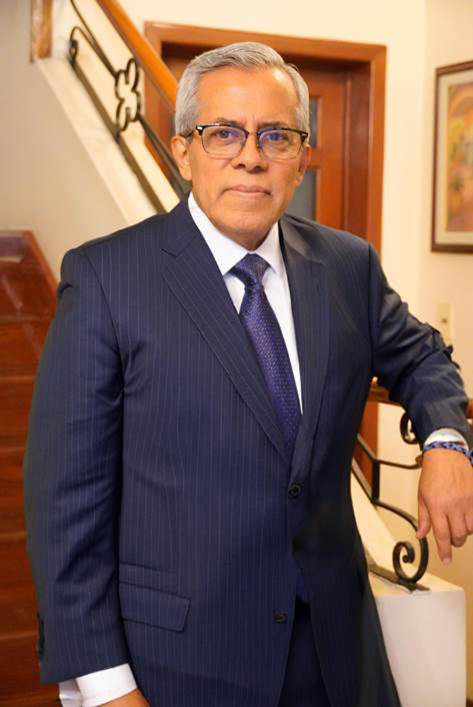
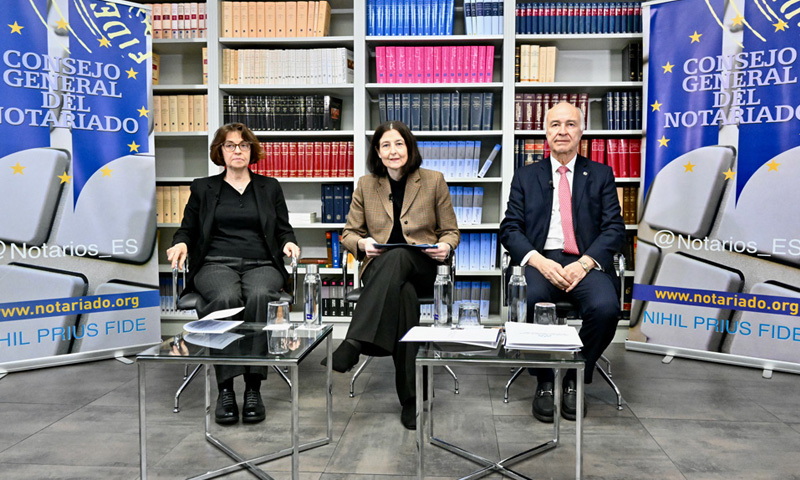
– Desde muy joven me atrajo la idea de servir a la sociedad a través del Derecho, pero de una forma cercana y preventiva. Descubrí en el Notariado una profesión que une la técnica jurídica con la sensibilidad humana, donde cada firma representa un acto de confianza entre las personas.

-¿Quiénes han sido sus principales referentes o maestros en el ejercicio del Notariado?

– He tenido grandes maestros en México y en el extranjero, pero sobre todo admiro a los notarios que trabajan día a día con discreción, honestidad y vocación de servicio. Ellos representan el espíritu auténtico de nuestra función.

-¿Qué mensaje le gustaría transmitir a los notarios del mundo que hoy lo felicitan por su elección?

– Les diría que esta elección no es un triunfo individual, sino colectivo. Pertenece a todos los notarios que creen en el valor de la seguridad jurídica, en la ética profesional y en la cooperación internacional. Mi compromiso es trabajar con todos y para todos, con respeto, transparencia y entusiasmo. El futuro del Notariado es tan grande como nuestra voluntad de servir.

HUELLA DIGITAL

La actividad de Figueroa en redes sociales en incesante, como puede comprobarse en su perfil de Instagram (@davidfigueroamarquez con más de 1.000 seguidores), donde publicó imágenes de su activa campaña por diversos países. Asimismo, cuenta con espacio propio en X, @davidfigueromarquez

notaries are guarantors of legality, but also of ethics”

David Figueroa,

resident of the International Union of Notaries (UINL)

JOSÉ M. CARRASCOSA

Last October in Berlin, Mexican notary David Figueroa Márquez was elected president of the International Union of Notaries (UINL) for the period 2026-2028. He previously served as president of his country’s notarial profession and, at the UINL, as chairman of the American Affairs Committee and as a member of the board of directors.

-What does it mean to you, both personally and professionally, to be the highest representative of the 300,000 notaries around the world?

– It is a profound responsibility and, at the same time, a great honour. Representing the world’s notarial profession is an act of service that demands commitment, empathy and global vision. Personally, I see this as recognition of the collective work of the Mexican and Ibero-American notariat, who have demonstrated capacity, preparation and a sense of social responsibility. Professionally, it is an opportunity to contribute to strengthening an institution that gives confidence to millions of citizens around the world.


“REPRESENTING THE WORLD’S NOTARIAL PROFESSION IS AN ACT OF SERVICE THAT DEMANDS COMMITMENT, EMPATHY AND GLOBAL VISION”


-How would you rate your previous experience in management?

– These experiences have given me an insight into the reality of notaries’ offices, their strengths and challenges. The presidency of the Mexican Notariat taught me the value of unity and working collectively, while the Committee on American Affairs offered me a continental perspective, encompassing very diverse legal and cultural contexts. These experiences gave me clarity on how to build consensus and how to translate differences into opportunities for institutional growth.

-What do you see as the main challenges facing UINL today and what courses of action do you intend to follow during your presidency?

– The central challenge is to maintain the relevance of the Romano-Germanic notarial model in a rapidly changing global environment. We must advance the digital transformation with notarial identity, strengthen collaboration with international organisations and strengthen the presence of the notarial profession in global issues such as sustainable development, data protection, money laundering prevention and equitable access to justice. My goal is for UINL to be seen not only as a legal organisation, but as a central international actor in building trust, peace and development.


“THE FACT THAT TWO-THIRDS OF THE WORLD TRUST THIS SYSTEM MEANS THAT SOCIETY VALUES CERTAINTY, CONFLICT PREVENTION AND THE PROTECTION OF RIGHTS”


-The UINL brings together 93 countries representing two-thirds of the world’s population. What message does this international support for the Latin-Germanic notarial system convey to you?

– And I think there will soon be 100 of us. That is the best proof of its strength. The Romano-Germanic notarial model has established itself as a benchmark for legal certainty and institutional efficiency. That two-thirds of the world trust this system means that society values certainty, conflict prevention and the protection of rights. This support motivates us to continue modernising the function without renouncing its essence: public service exercised with independence, impartiality and humanity.

-In recent years, countries as important as China have joined the system. How do you interpret this expansion and what opportunities does it open up for the notarial profession?

– The incorporation of China and other countries shows that the Romano-Germanic model is not a regional tradition, but a global response to the need for legal certainty. It opens up opportunities for intercultural dialogue, technological cooperation and the harmonisation of international standards. It allows us to share experiences, develop joint projects and position the Notariat as a reliable partner for governments and emerging economies.

What do you think Latin notaries can contribute in an increasingly globalised and digitalised world?

– The Latin notariat provides humanism and balance. In a world dominated by technology, the notary represents the trusted figure who validates the human will behind every legal act. We are guarantors of legality, and also of ethics. Our role brings value to the digital economy because it translates trust into rules and those rules into justice.


“THE SPANISH NOTARIAT IS AN EXAMPLE OF COMMITMENT AND VISION. “IT HAS MANAGED TO COMBINE A SOLID INSTITUTIONAL STRUCTURE WITH A MODERN OPENNESS TOWARDS INTERNATIONAL COOPERATION”


-The Spanish Notariat has been applying an extensive agenda in the international sphere. How do you assess it?

– The Spanish Notariat is an example of commitment and vision. It has successfully combined a solid institutional structure with a modern openness to international cooperation. His technical and academic leadership has contributed greatly to the development of other notariats and the strengthening of UINL.

-He has visited the Spanish Notariat on several occasions, most recently in February this year. How do you rate your Technology Centre, your Centralised Money Laundering Prevention Body (OCP), for money laundering or the activities of the Aequitas Foundation? Do you think this type of experience can be transferred to other countries?

– Of course. The Spanish Notarial Technology Centre and its Centralised Money Laundering Prevention Body (OCP), are models of efficiency and transparency. They have shown that innovation can coexist with public service without losing rigour or humanity. Through its social action, the Aequitas Foundation reminds us that the notariat not only authenticates documents, but also transforms lives. Many of these experiences can and should be adapted to other contexts, and respect local realities.

-He has also participated in several courses, conferences and seminars organised by the Spanish Notariat. Do you find these activities useful?

– Of course. The academic and technical exchange between notariats strengthens everyone. Spain has created spaces for dialogue where good practices are shared and an international knowledge community is forged. I believe that is one of the great strengths of the notarial profession: learning together to better serve.


“ARTIFICIAL INTELLIGENCE CAN HELP US BE MORE EFFICIENT, BUT IT WON’T REPLACE THE NOTARY’S PRUDENCE OR THEIR ETHICAL RESPONSIBILITY”


-How do you see the future of the notariat in the context of digitalisation and artificial intelligence?

– I am optimistic. Technology is not a threat, but a tool. Artificial intelligence can help us to be more efficient, but it will never replace the prudence and ethical responsibility of the notary. The challenge is to incorporate innovation without losing the human aspect of the role. The notariat of the future will be digital, of course, but above all it will remain profoundly human.

-What do you see as the main challenges in terms of preventive legal certainty at the international level?

– The challenge is to ensure that globalisation does not undermine standards of legality. The mobility of people, capital and data requires coordinated legal responses. Preventive legal certainty must evolve towards a model of shared international trust, where we notaries work hand in hand with other professions and bodies to ensure transparency, integrity and legal assurance.

-What role can the notary’s office play in protecting citizens’ rights and promoting justice and social peace?

– The Notariat is, first and foremost, a profession of peace. We act before the conflict, when people are looking for agreements and solutions. In every notarial act there is an exercise of preventive justice. That work, silent but constant, contributes to social stability and harmonious coexistence.

-What motivated you to dedicate your career to the notarial function?– From a very young age I was drawn to the idea of serving society through the law, but in an approachable, preventative way. I discovered in the notary’s office a profession that unites legal technique with human sensitivity, where each signature represents an act of trust between people.

-Who have been your main influences or teachers in notarial practice?

– I have had great teachers in Mexico and abroad, but above all I admire the notaries who work day-to-day with discretion, honesty and a vocation for public service. They represent the true spirit of our role.

-What message would you like to convey to the notaries of the world who are congratulating you today on your election?

– I would tell them that this election is not an individual triumph, but a collective one. It applies to all notaries who believe in the value of legal certainty, professional ethics and international cooperation. My commitment is to work with everyone and for everyone, with respect, transparency and enthusiasm. The future of the notarial profession is as great as our willingness to serve.

Digital signature

Figueroa’s activity on social networks is incessant, as can be seen in his Instagram profile (@davidfigueroamarquez with more than 1,000 followers), where he posted images of his active campaign in various countries. He also has his own space on X, @davidfigueromarquez

Reforzar la seguridad jurídica en Iberoamérica, clave para la cooperación y el desarrollo

ALDEA GLOBAL

Reforzar la seguridad jurídica en Iberoamérica, clave para la cooperación y el desarrollo

ALEJANDRO MOYA BLAY

La necesidad de reforzar la seguridad jurídica en el espacio iberoamericano, establecer un marco normativo que facilite la cooperación y movilizar la inversión pública y privada para la financiación del desarrollo sostenible fueron las principales conclusiones de las IX Jornadas sobre Seguridad Jurídica de las Inversiones en Iberoamérica, que reunió a notarios, juristas, profesionales sectoriales y representantes de las más altas instituciones europeas y latinoamericanas.

La sesión tomó como punto de partida la ‘Declaración de Sevilla’, documento que recoge los acuerdos alcanzados en la IV Conferencia Internacional sobre Financiación al Desarrollo, celebrada en la capital hispalense en el mes de julio. Sobre la Declaración, Cristina Díaz Fernández-Gil, embajadora en misión especial para financiación del desarrollo, señaló que “ha constituido una oportunidad para renovar el compromiso con el multilateralismo y con la cooperación internacional; así como el consenso mundial sobre la financiación del desarrollo sostenible, subrayando la necesidad de movilizar todas las fuentes de financiación: públicas, privadas, nacionales e internacionales. El momento, por tanto, para celebrar estas jornadas nos parece muy oportuno”.


ESPAÑA ESTÁ COMPROMETIDA CON UNA COOPERACIÓN IBEROAMERICANA QUE IMPULSE MODELOS DE DESARROLLO EQUILIBRADOS


Esta Declaración, expuso Díaz, “nos da el marco político para consensuar fórmulas que protejan inversiones y, al mismo tiempo, salvaguarden políticas públicas legítimas. Fortalecer la seguridad jurídica es una condición indispensable para el desarrollo sostenible, la justicia social y la democracia efectiva. España está comprometida con una cooperación iberoamericana que impulse modelos de desarrollo equilibrados entre las tres dimensiones de la sostenibilidad: la ambiental, la social y la económica; y que no pierdan de vista el desarrollo humano, la educación, la salud, la protección social y la reducción de descomodidades. Solo así podemos asegurar que la inversión privada sea un verdadero catalizador del bienestar y no un fin en sí misma”.

Foro de diálogo

Asimismo, la presidenta del Consejo General del Notariado (CGN), Concepción Pilar Barrio Del Olmo, apuntaló que esta Declaración ha sentado las bases de la XXX Cumbre Iberoamericana de Jefes de Estado y de Gobierno, que se celebrará en Madrid, en noviembre de 2026. “Uno de los puntos fundamentales de la Declaración -explicó Barrio Del Olmo- es la reafirmación de la Comunidad Iberoamericana como un foro privilegiado de diálogo, concertación política, solidaridad y cooperación. Esta cooperación tiene un valor esencial en estos momentos y la presencia española es de gran trascendencia».


LA SESIÓN TOMÓ COMO PUNTO DE PARTIDA LA ‘DECLARACIÓN DE SEVILLA’, DOCUMENTO QUE RECOGE LOS ACUERDOS ALCANZADOS EN LA IV CONFERENCIA INTERNACIONAL SOBRE FINANCIACIÓN AL DESARROLLO


La presidenta del CGN subrayó que «las relaciones entre España y América tienen unas raíces centenarias, en múltiples ámbitos: la lengua, la cultura, el derecho o el comercio, así como en la conexión de la vida de los ciudadanos. Precisamente en esa conexión tuvieron originalmente un papel destacado los escribanos, hoy notarios: para conocer la historia de España y de América hay que acudir a la rica fuente de los protocolos notariales”. “Ahora la sociedad nos exige reeditar esas relaciones con certeza y seguridad jurídica y, en pro de ello, desde el Notariado español hemos impulsado la cooperación internacional con proyectos como Iberfides, una plataforma que facilita y refuerza la circulación de documentos notariales en Iberoamérica”, explicó.

El secretario general Iberoamericano, Andrés Allamand, se refirió también a la próxima Cumbre Iberoamericana de jefes de Estado: “Constituye una gran oportunidad para avanzar en una planificación de la cooperación iberoamericana más estratégica y concertada, con nuevas prioridades y con mecanismos renovados que contribuyan a la consolidación del sistema”. Este nuevo enfoque estratégico -señaló- “se abrirá a los nuevos desafíos que afronta Iberoamérica: la prosperidad, que debe alcanzarse a través de un crecimiento robusto; la gobernabilidad, que requiere corregir las disfuncionalidades del sistema político; y la seguridad en todas sus variables, incluyendo la seguridad jurídica sobre la que profundizamos en estas jornadas. Sin seguridad no hay gobernabilidad ni prosperidad”.

Compromisos adquiridos

En la primera mesa redonda de la sesión, el director del Grupo de Expertos Independientes de la Conferencia de Sevilla, José Antonio Ocampo, analizó los compromisos adquiridos en la Declaración y los pasos para su aplicación: “Plantea objetivos ambiciosos y avances muy importantes en materia de financiación para el desarrollo, el fortalecimiento de los recursos públicos nacionales, gobernanza fiscal y cooperación tributaria; pero también propuestas algo más débiles en materia de cooperación monetaria internacional y gestión de la deuda, así como las dificultades derivadas de la ausencia de apoyo por parte de Estados Unidos”.

Ocampo compartió algunas de las claves de los compromisos de Sevilla, entre las que destacó: “Combatir los flujos financieros ilícitos, con la implementación efectiva de la Convención de la ONU contra la corrupción y cooperación internacional para la recuperación de activos; el desarrollo de registros de activos, con información sobre los beneficiarios finales e intercambio de información entre ellos; o mejorar la gobernabilidad de las instituciones y aumentar la voz y representación de los países en desarrollo”.

Por su parte, Gabriel Mato, presidente de la Asamblea Parlamentaria Euro-Latinoamericana, hizo hincapié en el carácter bidireccional de las relaciones entre España e Iberoamérica. “Cada vez más empresas latinoamericanas invierten en nuestro país y participan activamente en la economía europea. Latinoamérica ofrece a Europa un mercado en expansión con más de 600 millones de consumidores y Europa ofrece a América Latina tecnología, financiación, estándares ambientales y sociales muy elevados y un modelo de desarrollo sostenible”, aseguró.

El eurodiputado hizo alusión a los acuerdos de asociación, libre comercio y cooperación firmados por la UE con numerosos países latinoamericanos; acuerdos que son “una referencia global por su equilibrio entre la apertura económica, la sostenibilidad y la protección social. Quedan temas pendientes, pero lo importante es que la agenda existe y cuenta con el impulso de gobiernos, empresas y ciudadanos comprometidos en ambas orillas del Atlántico. Tenemos valores afines y compartimos una idea de democracia representativa, de Estado de Derecho, de economía social de mercado y de respeto a la dignidad humana”, enfatizó.

Visión empresarial

Representantes del sector farmacéutico, bancario y filantrópico aportaron su visión profesional en el segundo panel de debate de la jornada. Laura Fernández Lord -jefa de Sostenibilidad, Equidad e Inclusión de la Fundación Microfinanzas BBVA- destacó el papel del sector privado como “catalizador del desarrollo sostenible, de las políticas inclusivas para el emprendimiento y del acceso a la financiación en un entorno cada vez más complejo”. Fernández Lord subrayó la importancia de complementar el acceso a financiación con formación y tecnología, en especial para aquellos colectivos vulnerables, y puso el foco sobre las pymes: “Es necesario mejorar la financiación de las pequeñas empresas. Representan el 99% del tejido empresarial de Iberoamérica, generan el 60% del empleo y un 25% del PIB de la región”.

En esta misma línea, Jorge Cattaneo -director general de Ayuda en Acción- concretó que las dificultades de las pymes vienen derivadas de la “falta de seguridad jurídica, los distintos marcos normativos y otros riesgos asociados”; defendió la cooperación internacional como “un instrumento que genera inclusión social”; y apuntó la necesidad de “realizar inversiones que pongan el foco en la inclusión social de la juventud”.


REPRESENTANTES DEL SECTOR FARMACÉUTICO, BANCARIO Y FILANTRÓPICO APORTARON SU VISIÓN PROFESIONAL EN EL SEGUNDO PANEL DE DEBATE DE LA JORNADA


“Nosotros vemos en la agenda europea una oportunidad -prosiguió-. En España tenemos 300.000 millones de euros de inversión y otros 145.000 millones planificados desde las instituciones financieras. La cooperación española está preparada: tiene los fondos, el marco legislativo y una estructura adaptada”. También se refirió a las nuevas fórmulas de cooperación, “contratos y convenios más complejos, que integran diferentes instrumentos que precisan gestionar préstamos blandos con garantías, con actividad filantrópica, con subvenciones, etc.”. Y abogó por encontrar modalidades que agilicen y faciliten el proceso: “Todo esto no va a ser posible sin inversión privada.

Emili Esteve, director de Asuntos Técnicos de Farmaindustria, incidió en la seguridad jurídica como un elemento sustancial, especialmente para el sector farmacéutico: “La UE y Estados Unidos cuentan con sistemas de protección que garantizan que la inversión de las compañías podrá obtener un retorno”. Además, hizo hincapié en el esfuerzo de la Unión Europea “para que estas relaciones se refuercen y se incrementen” y abordó el reto regulatorio que suponen los procedimientos de aprobación de los medicamentos: “Europa se ha dotado de un sistema único de evaluación y autorización. La ausencia de este sistema en Iberoamérica dificulta mucho el proceso. Contar con un sistema como el europeo sería una solución para el inversor”.

Al cierre de la sesión intervino el consejero técnico de la Dirección de Cooperación con Latinoamérica y el Caribe de la Agencia Española para la Cooperación y el Desarrollo, Diego Spottorno: “La cooperación española vive un momento de pleno compromiso con Iberoamérica, no solamente desde el punto de vista presupuestario, sino también desde el plano legislativo, con la nueva Ley de Cooperación”, remarcó.

La jornada fue organizada por el Consejo General del Notariado, en colaboración con la Unión Internacional del Notariado (UINL) y la Academia Notarial Americana de la Comisión de Asuntos Americanos (CAAm) de la UINL, bajo la dirección de Alfonso Cavallé, decano del Colegio Notarial de Canarias y delegado del Consejo General del Notariado para América; y con la coordinación y moderación de Ramón Casilda, presidente de la Asociación de Empresas Multilatinas en España y miembro del Instituto Universitario de Investigación en Estudios Latinoamericanos.

Red de Cooperación Iberoamericana

Enrique Gil Botero, secretario general de la Conferencia de Ministros de Justicia de los Países Iberoamericanos (COMJIB), señaló que “la cooperación, no es una aspiración, sino un imperativo institucional y una necesidad económica que estamos llevando a cabo a través de tres pilares: IberRed, IBER@ y la seguridad jurídica”. Sobre IberRed (Red Iberoamericana de Cooperación Jurídica Internacional), apuntó que se trata de “una estructura permanente, con competencias, procedimientos y recursos dedicados a la cooperación transnacional, que conecta a los Ministerios de Justicia, a la Fiscalía y a los poderes judiciales de los 22 países iberoamericanos, beneficiando a más de 500 millones de personas”.

En segundo lugar, puso de relieve el valor de la plataforma IBER@, desarrollada por el Centro Tecnológico del Notariado español -en coordinación con expertos de distintos países-, como “un ecosistema digital de comunicación segura y cifrada” que ha permitido “experimentar mejoras significativas con la agilización de trámites, la reducción de costes administrativos y una mayor confiabilidad operativa”.

Por último, aludió a la seguridad jurídica como una línea de trabajo estratégica y uno de los grandes desafíos en Iberoamérica: “Los empresarios españoles invierten anualmente 143 mil millones de euros en la Región, lo cual representa el 43% de la inversión exterior de España. Sin embargo, esta cifra podría ser significativamente mayor si tuviésemos una seguridad jurídica más robusta”. Así, reivindicó una seguridad jurídica basada en “la imparcialidad del Poder Judicial, la digitalización de la Administración de Justicia, la armonización de los marcos regulatorios y la prevención del lavado de activos y los delitos financieros”. En esta materia, en España, puntualizó, “contamos con el Órgano Centralizado de Prevención del Blanqueo (OCP), un modelo en el que los notarios identifican y reportan operaciones sospechosas”.

De izda. a dcha.: Cristina Díaz Fernández-Gil, Concepción Pilar Barrio Del Olmo, Enrique Gil Botero.

CRISTINA DÍAZ FERNÁNDEZ-GIL:

“Fortalecer la seguridad jurídica es una condición indispensable para el desarrollo sostenible, la justicia social y la democracia efectiva”

CONCEPCIÓN PILAR BARRIO DEL OLMO:

“Desde el Notariado español hemos impulsado la cooperación internacional con Iberfides, que facilita y refuerza la circulación de documentos notariales en Iberoamérica”

ANDRÉS ALLAMAND:

“En estas jornadas profundizaremos sobre la seguridad jurídica. Sin seguridad no hay gobernabilidad ni prosperidad”

La cooperación,
una necesidad estratégica

La clausura institucional del encuentro corrió a cargo de David Figueroa Márquez, presidente electo de la Unión Internacional del Notariado para el periodo 2026-2028, quien elogió la labor del Notariado español en pro de la cooperación iberoamericana, “hoy más que nunca una necesidad estratégica y una responsabilidad conjunta”. En su discurso, Figueroa destacó la utilidad de estas jornadas y de las aportaciones de los panelistas: “Hemos dialogado sobre seguridad jurídica, inversiones, institucionalidad, cohesión regional y modelos de desarrollo sostenible, y lo hemos hecho con la convicción de que la cooperación no es un concepto abstracto, sino el fundamento que permite dar certeza, estabilidad y rumbo a las decisiones económicas y jurídicas en esta vasta región de Iberoamérica”.

De izda. a dcha.: Emili Esteve, Ramón Casilda, Laura Fernández Lord y Jorge Cattaneo.

Strengthening legal security in Ibero-America, key to cooperation and development

ALEJANDRO MOYA BLAY

The need to strengthen legal security in the Ibero-American space, establish a regulatory framework that facilitates cooperation and mobilise public and private investment for the financing of sustainable development, were the main conclusions of the IX Conference on the Legal Security of Investment in Ibero-America, which brought together notaries, jurists, sector professionals and representatives of the highest European and Latin American institutions.

The session took as its starting point the «Seville Declaration», a document that includes the agreements reached at the IV International Conference on Financing for Development, held in Seville in July. On the Declaration, Cristina Díaz Fernández-Gil, Ambassador-at-Large for Financing for Development, noted that «it has been an opportunity to renew the commitment to multilateralism and international cooperation, as well as the global consensus on financing for sustainable development, by underlining the need to mobilise all sources of financing: public, private, national and international. “The moment, therefore, to hold these sessions seems very opportune to us.”


SPAIN IS COMMITTED TO IBERO-AMERICAN COOPERATION THAT PROMOTES BALANCED DEVELOPMENT MODELS.


This Declaration, said Díaz, “gives us the political framework to agree on formulas that protect investments and, at the same time, safeguard legitimate public policies. Strengthening legal security is a prerequisite for sustainable development, social justice and effective democracy. Spain is committed to Ibero-American cooperation that foster s development models balanced across the three dimensions of sustainability: environmental, social and economic; and that do not lose sight of the development of people, education, health, social protection and the reduction of discomforts. Only in this way can we ensure that private investment is a real catalyst for welfare and not an end in itself.

Dialogue Forum

Similarly, the President of the General Council of Notaries (CGN), Concepción Pilar Barrio Del Olmo, pointed out that this Declaration has laid the foundations for the XXX Ibero-American Summit of Heads of State and Government, which will be held in Madrid in November 2026. “One of the fundamental points of the Declaration,” explained Barrio Del Olmo, “is the reaffirmation of the Ibero-American Community as a privileged forum for dialogue, political consultation, solidarity and cooperation. This cooperation is of essential value at this time and the Spanish presence is of great importance.


THE SESSION TOOK AS ITS STARTING POINT THE ‘SEVILLE DECLARATION’, A DOCUMENT THAT INCLUDES THE AGREEMENTS REACHED AT THE IV INTERNATIONAL CONFERENCE ON FINANCING FOR DEVELOPMENT


The president of the CGN stressed that «relations between Spain and the Americas have centuries-old roots in many areas: language, culture, law and trade, and in the links between citizens’ lives». It was precisely in this connection that the scribes, today known as notaries, originally played an important role: to learn about the history of Spain and the Americas, one must turn to the extensive source of notary records”. “Society now demands that we reissue those relations with certainty and legal security and, to this end, the Spanish notarial profession has promoted international cooperation with projects such as Iberfides, a platform that facilitates and reinforces the circulation of notarial documents in Ibero-America ”, he explained.

The Ibero-American Secretary General, Andrés Allamand, also referred to the forthcoming Ibero-American Summit of Heads of State: “It is a great opportunity to advance towards more strategic and coordinated planning of Ibero-American cooperation, with new priorities and renewed mechanisms that contribute to the consolidation of the system”. This new strategic focus, he said, «will open up to the new challenges facing Ibero-America: prosperity, which must be achieved through robust growth; governability, which requires correcting the dysfunctionalities of the political system; and security in all its variables, including legal security, which we will examine in depth at this conference. Without security, there is no governance and no prosperity.

Commitments made

In the first round table of the session, the director of the Seville Conference’s Group of Independent Experts, José Antonio Ocampo, analysed the commitments made in the Declaration and the steps for its implementation: «It sets out ambitious goals and very important advances in financing for development, strengthening domestic public resources, fiscal governance and tax cooperation; it also makes somewhat weaker proposals on international monetary cooperation and debt management, as well as the difficulties arising from the absence of US support”.

Ocampo shared some key elements of the Seville commitments, among which he highlighted: “Combating illicit financial flows, with the effective implementation of the UN Convention against Corruption and international cooperation for asset recovery; the development of asset registries, with information on the beneficial owners and exchange of information between them; or improving the governance of institutions and increasing the voice and representation of developing countries”.

For his part, Gabriel Mato, President of the Euro-Latin American Parliamentary Assembly, emphasised the two-way nature of relations between Spain and Ibero-America. “More and more Latin American companies are investing in our country and actively participating in the European economy. Latin America offers Europe a growing market with more than 600 million consumers and Europe offers Latin America technology, financing, very high environmental and social standards and a sustainable development model,» he said.

The MEP referred to the association, free-trade and cooperation agreements signed by the EU with numerous Latin American countries; agreements which are “a global benchmark for their balance between economic openness, sustainability and social protection. There are still outstanding issues, but the important thing is that the agenda exists and has the momentum of committed governments, businesses and citizens on both sides of the Atlantic. “We share similar values and a vision of representative democracy, the rule of law, a social market economy and respect for human dignity,” he emphasised.

Business vision

Representatives from the pharmaceutical, banking and philanthropic sectors gave their professional insights in the second panel discussion of the day. Laura Fernández Lord, head of Sustainability, Equity and Inclusion at the BBVA Microfinance Foundation, highlighted the role of the private sector as «a catalyst for sustainable development, inclusive policies for entrepreneurship and access to finance in an increasingly complex environment». Fernández Lord stressed the importance of complementing access to finance with training and technology, especially for vulnerable groups, and focused on SMEs: «Small business finance needs to be improved. “They represent 99% of the business fabric of Iberoamerica, generate 60% of employment and 25% of the region’s GDP”.

Along the same lines, Jorge Cattaneo – director general of Ayuda en Acción – specified that the difficulties faced by SMEs stem from the ”lack of legal certainty, the different regulatory frameworks and other associated risks”; he defended international cooperation as ”an instrument that generates social inclusion”; and he pointed out the need to ”make investments that focus on the social inclusion of youth”.


REPRESENTATIVES FROM THE PHARMACEUTICAL, BANKING AND PHILANTHROPIC SECTORS GAVE THEIR PROFESSIONAL INSIGHTS IN THE SECOND PANEL DISCUSSION OF THE DAY.


We see the European agenda as an opportunity,» he continued. In Spain we have 300 billion euros of investment and another 145 billion planned by financial institutions. Spanish cooperation is ready: it has the funds, the legislative framework and a tailored structure”. He also referred to the new cooperation formulas, «more complex contracts and agreements, which integrate different instruments that need to manage soft loans with guarantees, with philanthropic activity, and with grants, etc.». And he advocated finding ways to speed up and facilitate the process: «All this will not be possible without private investment.

Emili Esteve, director of technical affairs at Farmaindustria, highlighted legal certainty as a substantial element, especially for the pharmaceutical sector: “The EU and the US have protective systems in place to ensure that the investments of companies will be able to obtain a return”. He also emphasised the EU’s efforts « to further strengthen these relationships » and addressed the regulatory challenge of medicines approval procedures: “Europe has established a single assessment and authorisation system. The absence of this system in Iberoamérica makes the process very difficult. Having a system like the European one would be a solution for the investor.

At the end of the session, the technical advisor of the Directorate for Cooperation with Latin America and the Caribbean of the Spanish Agency for Cooperation and Development, Diego Spottorno, spoke: «Spanish cooperation is experiencing a moment of full commitment to Ibero-America, not only from the budgetary point of view, but also from the legislative point of view, with the new Cooperation Law,» he remarked.

The conference was organised by the General Council of Notaries, in collaboration with the International Union of Notaries (UINL) and the American Notarial Academy of the Commission on American Affairs (CAAm) of the UINL, under the direction of Alfonso Cavallé, Dean of the Notarial Association of the Canary Islands and delegate of the General Council of Notaries for America; and was coordinated and moderated by Ramón Casilda, President of the Association of Multilatin Companies in Spain and member of the University Institute for Research in Latin American Studies.

Ibero-American Cooperation Network

Enrique Gil Botero, Secretary General of the Conference of Ministers of Justice of the Ibero-American Countries (COMJIB), pointed out that “ cooperation is not an aspiration, but an institutional imperative and an economic necessity that we are implementing through three pillars: “IberRed, IBER@ and legal certainty”. On IberRed (Ibero-American Network for International Legal Cooperation), he pointed out that it is «a permanent structure, with purviews, procedures and resources dedicated to transnational cooperation, which connects the Ministries of Justice, the Public Prosecutor’s Office and the judicial powers of the 22 Ibero-American countries, benefiting over 500 million people».

Secondly, he highlighted the value of the IBER@ platform, developed by the Spanish Notaries’ Technological Centre – in coordination with experts from different countries – as «a digital ecosystem of secure and encrypted communication» that has allowed «significant improvements with the streamlining of procedures, the reduction of administrative costs and greater operational reliability».

Finally, reference was made to legal certainty as a strategic area of work and one of the great challenges in Ibero-America: «Spanish businessmen invest 143 billion euros annually in the Region, which represents 43% of Spain’s foreign investment. However, this figure could be significantly higher if we had more robust legal certainty. He called for legal certainty based on «the impartiality of the judiciary, the digitisation of the administration of justice, the harmonisation of regulatory frameworks and the prevention of money laundering and financial crime». He pointed out that in Spain we have the Centralised Money Laundering Prevention Body (OCP), a model through which notaries identify and report suspicious transactions.

From left to right: Cristina Díaz Fernández-Gil, Concepción Pilar Barrio Del Olmo, Enrique Gil Botero.

CRISTINA DÍAZ FERNÁNDEZ-GIL:

‘Strengthening legal certainty is a prerequisite for sustainable development, social justice and effective democracy”

CONCEPCIÓN PILAR BARRIO DEL OLMO:

"The Spanish notarial profession has promoted international cooperation with Iberfides, which facilitates and reinforces the circulation of notarial documents in Ibero-America"

ANDRÉS ALLAMAND:

“In these sessions, we will delve deeper into legal certainty. Without security there is no governance and no prosperity”

Cooperation, a strategic necessity

The institutional closing ceremony of the meeting was led by David Figueroa Márquez, president-elect of the International Union of Notaries for the period 2026-2028, who praised the work of Spanish notaries in support of Ibero-American cooperation, «today more than ever a strategic necessity and a joint responsibility». In his speech, Figueroa highlighted the usefulness of these conferences and the contributions of the panellists: “We have discussed legal certainty, investment, institutionality, regional cohesion and models of sustainable development, and we have done so with the conviction that cooperation is not an abstract concept, but the basis for certainty, stability and direction in economic and legal decisions in this vast region of Iberoamérica”.

From left to right: Emili Esteve, Ramón Casilda, Laura Fernández Lord y Jorge Cattaneo.

Impuesto de sociedades: presión y elusión

ALDEA GLOBAL

Reunión del Consejo Ministerial de la OCDE (2025). FOTO OCDE.

IMPUESTO DE SOCIEDADES: PRESIÓN Y ELUSIÓN

El impuesto de sociedades es una importante fuente de ingresos para los Estados, que en ocasiones se ven entre “la espada” de fomentar inversiones, ergo bajar las tasas a las empresas, y “la pared” de obtener recursos, lo que se traduce en subidas impositivas, para atender a las necesidades corrientes o a las extraordinarias derivadas de catástrofes naturales o defensa, por poner dos ejemplos fácilmente visualizables en este final de 2025. En teoría, cualquier empresa de cualquier parte del mundo paga el impuesto de sociedades sobre los beneficios de su facturación… En teoría. Y luego está la erosión de la base imponible y el traslado de beneficios (BEPS).

MELCHOR DEL VALLE

Según explica la OCDE (informe Reformas de la política fiscal 2025: OCDE y economías asociadas seleccionadas) la tendencia de los últimos años de la disminución de tasas en el impuesto de sociedades (IS) se “ha detenido o muestra indicios de reversión”. Los países que subieron las tasas del IS son más de los que las bajaron, explican, y los incrementos fueron mayores que las reducciones. Además, varios gobiernos crearon o aumentaron impuestos extraordinarios sobre el beneficio de las empresas para financiar sus presupuestos, en algunos casos, ante el aumento del gasto en defensa.


LOS PAÍSES QUE SUBIERON LAS TASAS DEL IMPUESTO DE SOCIEDADES FUERON MÁS QUE LOS QUE LAS BAJARON Y LOS INCREMENTOS FUERON MAYORES QUE LAS REDUCCIONES


Algunos datos. Los indicadores de variación del porcentaje del impuesto de sociedades, a la vista de los 162 países analizados por la consultora Trading Economics, entre los que se incluyen los 38 de la OCDE, no parecen mostrar demasiados altibajos en 2025: hay seis países que incrementan sus tasas: Lituania (1%), Eslovaquia (3%), Libia (4%), Bielorrusia (5%), Rusia (5%) y Montenegro (6%); y tres que las bajaron: Namibia (-1%), Luxemburgo (-1,07%) y Guinea (-5%). Así que, ciertamente, como dice la OCDE, hay más registros de subidas que de bajadas.

Claro que estas variaciones pueden, o no, ser importantes en sí mismas, porque la presión fiscal no solo depende de la tasa que se aplique, sino de la base impositiva. De hecho, el informe antes citado de la OCDE pone negro sobre blanco que “los países siguieron adoptando medidas de reducción de la base imponible para ofrecer un trato fiscal preferencial a ciertos tipos de inversión, en particular en investigación y desarrollo (I+D), tecnologías de reducción de emisiones y sectores considerados importantes para la seguridad nacional”. Es decir, las políticas fiscales se enfocan hacia medidas de reducción de la base imponible, en lugar de bajar los tipos, cuando pretenden ofrecer un trato fiscal más favorable a las empresas.

Más necesidades. En ocasiones, los países necesitan obtener más recursos, sean cuales sean las razones, y recurren a impuestos especiales incrementando la presión fiscal a determinados tipos de empresas. Siguiendo con datos de la OCDE, en 2024, más de una decena de países, incluido Isla de Man (donde teóricamente no hay IS), introdujeron o aumentaron impuestos dirigidos a bancos y otras instituciones financieras. En otros casos, añadieron recargos más amplios o normas especiales para gravar las ganancias retenidas o las no distribuidas; o ajustaron sus políticas fiscales en relación con las energéticas.

Y luego están necesidades más perentorias, como financiar el gasto en defensa. Tenemos el ejemplo de Ucrania que, por esa razón, aumentó la tasa sobre el IS del 1,5% al 5%. O Estonia, que tiene previsto un impuesto de seguridad del 2% sobre la renta corporativa, que se aplicará de 2026 a 2028. Japón, otro caso, prevé una sobretasa del 4%, a partir de abril de 2026, para determinadas situaciones de ingresos empresariales. O Rumanía, que desde enero de 2024 añadió el 1%, en este caso sobre la facturación, para las empresas que superen los 50 millones de euros en el año fiscal.

Presión fiscal. Cabe recordar que hablamos de la totalidad de impuestos recaudados en un país respecto a su Producto Interior Bruto (PIB). También que las recaudaciones de la seguridad social se consideran impuestos, tanto las de las empresas como la de los ciudadanos. Visto esto, hay once países que superan el 40% de presión tributaria, todos ellos europeos, con Bélgica (44,1%), Francia (45,4%) y Dinamarca (45,7%) en el podio. Pero si esa relación la observamos respecto a los impuestos a las sociedades, los daneses ocupan el penúltimo lugar en la tabla, con un 6,5% (Islandia, 5,9%, es el último), mientras que los franceses están también aquí en lo alto (18,6%), solo por detrás de Noruega (19,2%), cuya tasa de IS no es, por cierto, de las más altas (22%).


LA OCDE SEÑALA QUE SE HA GENERADO UNA TRANSPARENCIA “SIN PRECEDENTES” EN LA PLANIFICACIÓN FISCAL DE LAS MULTINACIONALES


Se puede introducir una variable más en la ecuación: el porcentaje de la recaudación total de los Estados al margen de sus respectivos PIB. Y de nuevo Dinamarca, a pesar de tener la mayor presión fiscal del mundo, es el país donde menor porcentaje de sus ingresos provienen de los impuestos corporativos: solo un 15,1%, frente a República Checa, Polonia y Eslovaquia, que superan en todos los casos el 50%. España, por comparar, se queda cerca, con un 48,8%. Estará pensando el lector, con toda la razón, que si un país no recauda de las empresas, tendrá que hacerlo de los ciudadanos. En efecto, ese es el caso de Dinamarca, aunque podemos añadir un detalle para la reflexión: el país nórdico es también, junto a Finlandia, el lugar del mundo donde sus habitantes son más felices, según el Informe Mundial de la Felicidad 2025, publicado por la Red Española para el Desarrollo Sostenible. Es cuestión de averiguar si pagar impuestos da la felicidad.

El Proyecto BEPS. Las siglas corresponden a Base Erosion and Profit Shifting o, lo que es lo mismo, erosión de la base imponible y el traslado de beneficios. La OCDE lo define como “las estrategias de planificación fiscal que las empresas multinacionales utilizan para aprovechar las lagunas en la normativa fiscal y trasladar artificialmente sus beneficios a países con baja o nula tributación, con el fin de evadir el pago de impuestos”. Hablamos de eludir el pago de unos 200.000 millones de euros al año. Esto llevó a la organización, en colaboración con el G20, a poner en marcha una serie de iniciativas que evitasen la elusión fiscal. De todo esto, ya dio cuenta Escritura Pública en su número 131, recién firmado el acuerdo de los ministros de finanzas del G7 (junio de 2021) para reformar, en el ámbito del plan BEPS, el sistema fiscal global estableciendo un tipo impositivo mínimo global del 15% en el IS.

Muy resumidamente, en octubre de ese mismo año se habían unido al “Marco Inclusivo” (creado en 2015, es el conjunto de países que definen y controlan las normas para la redistribución de la potestad tributaria en las distintas jurisdicciones donde operan las multinacionales) más de 140 países, muchos de ellos en vías de desarrollo, a los que la elusión fiscal afecta más. Y aunque todos los miembros del Marco Inclusivo deberían de haber adaptado su normativa entre 2023 y 2024 para que el impuesto mínimo global estuviese vigente en 2025, las cosas van más despacio de los previsto, aunque con buenas sensaciones.

OCDE/G20 BEPS, 2025. En su informe A Decade of the BEPS Initiative, la OCDE reconoce que, diez años después de la creación del Marco Inclusivo, “si bien el análisis cuantitativo del proyecto BEPS sigue siendo difícil debido a las limitaciones de datos y metodológicas, hay una serie de datos que sugieren los efectos positivos del proyecto”. Citan, entre ellos, que se ha generado una transparencia “sin precedentes” en la planificación fiscal de las multinacionales, que facilita el trabajo de las autoridades fiscales. O que la iniciativa TIWB (inspectores fiscales sin fronteras, por sus siglas en inglés) de la OCDE y el Programa de las Naciones Unidas para el Desarrollo, en colaboración con otras organizaciones regionales, ha ayudado a las administraciones tributarias de los países en desarrollo a recaudar 2.400 millones de dólares adicionales en ingresos. O que las reglas de limitación de intereses, que también se han aplicado ampliamente en los países en desarrollo, han contribuido a reducir la evasión fiscal.

Para algunos críticos, sin embargo, la seguridad jurídica puede verse comprometida en el maremágnum que supone la adaptación de las acciones BEPS al marco jurídico e interpretativo de los distintos Estados, generando costes muy altos de cumplimiento. En la actualización del Plan BEPS (julio de 2025) hay un párrafo que puede servir de respuesta: “En la actualidad, existe una gama mucho más amplia de herramientas e iniciativas para garantizar la seguridad jurídica en materia fiscal, que pueden servir no solo para resolver controversias, sino también para prevenirlas, entre otras cosas mediante la aplicación coordinada de normas comunes”.

El economista jefe de la OCDE, Álvaro Pereira, durante la ponencia sobre de perspectivas económicas en el marco de la reunión del Consejo Ministerial de la OCDE (2025). FOTO OCDE.
Estructuras tributarias en el mundo

En África, América Latina y Asia las economías dependen más del IVA, del impuesto de sociedades y del impuesto a bienes y servicios, que del IRPF o de los pagos a la seguridad social. Sin embargo, en los países de la OCDE, de media, predominan las contribuciones a estos dos últimos. La conclusión se basa en los valores promedio, aunque hay casos de diferencias enormes ente países. Por ejemplo, mientras que la media de ingresos tributarios de la seguridad social en Asia y el Pacífico es del 8%, en Japón, que pertenece a esa región, es del 39%.

POR SI LAS DUDAS

A Decade of the BEPS Initiative: An Inclusive Framework Stocktake Report to G20 Finance Ministers and Central Bank Governors.
OCDE (2025)

El impuesto a los milmillonarios: dinámica de la riqueza y recaudación de un impuesto mínimo global.
Kane Borders, Panayiotis Nicolaides, Gabriel Zucman.
Real Instituto Elcano (2025).

Tax Policy Reforms 2025: OECD and Selected Partner Economies.
OCDE (2025).

Reunión en la sede de la OCDE del grupo de trabajo sobre impuestos y desarrollo relativos a los precios de transferencia y a cuestiones de erosión de la base imponible y traslado de beneficios (BEPS). FOTO OCDE.